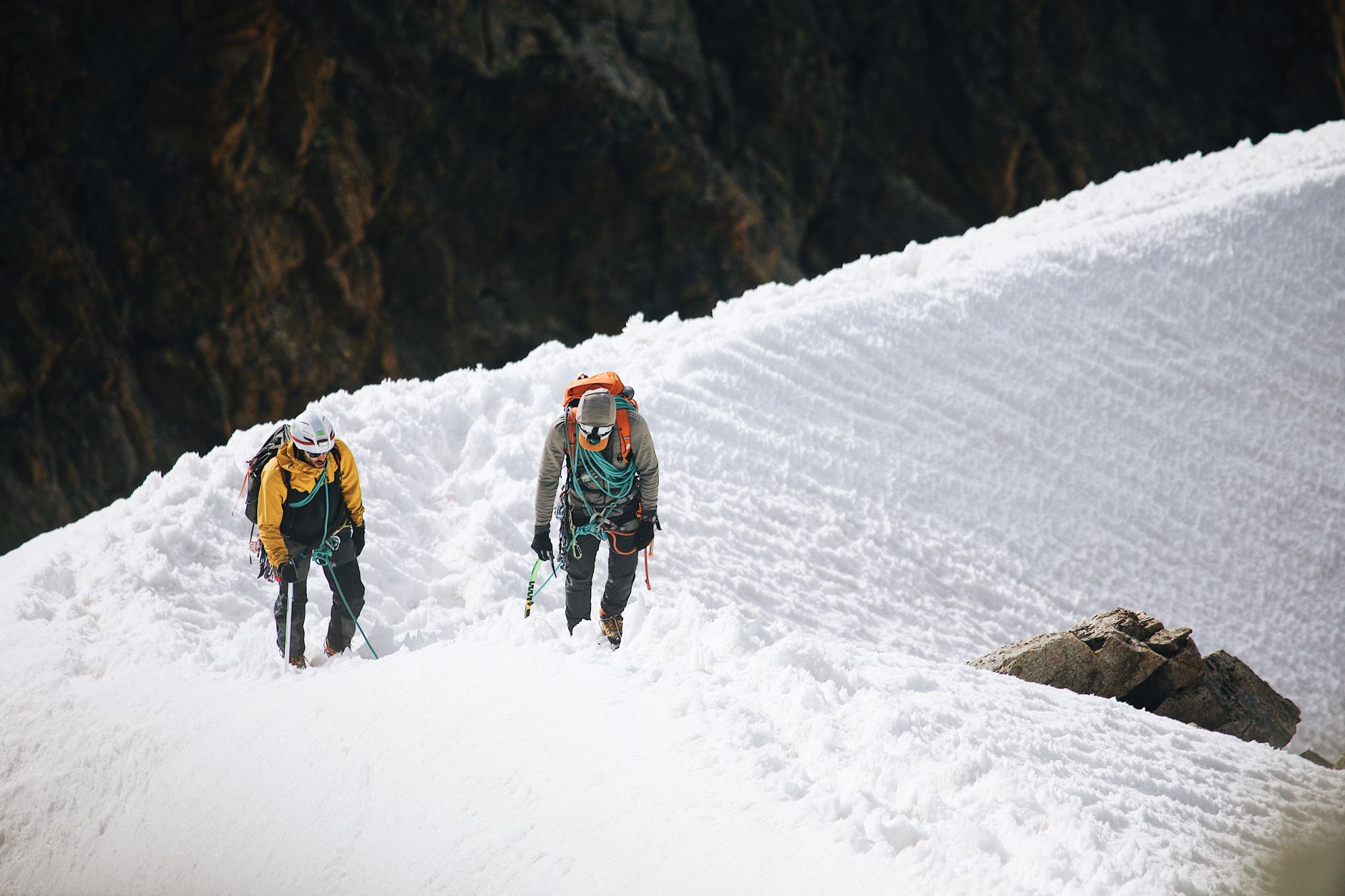
Altitude raises calorie burn two ways: uphill grades demand more oxygen per mile, and high elevation makes each effort harder. Calorie burn means energy your body spends, and both climbing and thin air increase it.
In trail running, altitude means two different things. Grade is the steepness of the hill under your feet. Elevation is how high the trail sits above sea level.
Medical information disclaimer: This article is for general educational purposes only and does not provide medical advice, diagnosis, or treatment. Always consult a physician or other qualified health professional about symptoms, medications, tests, or treatment decisions.
Table of Contents
- Why does climbing raise calorie burn?
- What changes at high elevation?
- Does steeper always mean costlier?
- Should you run or hike steep pitches?
Why does climbing raise calorie burn?
Running uphill forces muscles to lift body weight with each step. The American College of Sports Medicine equation predicts this cost from speed and grade, with each litre of oxygen worth about 5 kcal, according to the Endurance Toolbox ACSM methodology page.
The difference is large at normal trail grades. For a 70-kg runner, 5 km in 30 minutes costs about 350 kcal on flat ground but about 429 kcal up a steady 5% grade.
What changes at high elevation?
Thin air lowers maximal oxygen uptake by about 6% per 1,000 m of elevation gain. Short-term hypoxia also raises leptin and suppresses appetite, so mountain runners work harder per pace but often eat less, according to the Frontiers narrative review.
Breathing faster, making more red blood cells, and building more mitochondria slightly raise basal metabolic rate. That rate stays slightly elevated even after acclimatization eases the initial peak, according to Banister Nutrition dietitians.
Does steeper always mean costlier?
Not in a straight line. University of Colorado runners showed slopes of 20-35 degrees need nearly the same energy for the same vertical ascent rate. Vertical-kilometer tests found cost per vertical meter falls to about 30 degrees, then rises again on steeper ground, according to Outside reporting on the Army vertical-km study.
Extremely steep direct ascents are therefore not cheapest. Uneven trail adds its own tax. Matched-slope tests found low-technicity trail costs 10.4% more than treadmill running and high-technicity trail costs 11.4% more.
Should you run or hike steep pitches?
Power-hiking steep pitches saves about 8-9% versus running them and preserves race pace. Use hiking as a planned gear, not a sign of failure.
- Switch to a brisk hike when breathing turns ragged on grades above 15-20%.
- Keep cadence quick, lean from ankles, and drive with glutes.
- Eat on schedule at elevation because appetite often lags behind need.
- Expect wider variation in personal cost on technical climbs.
2 thoughts on “How Does Altitude Affect Calorie Burn During Trail Running?”
Comments are closed.