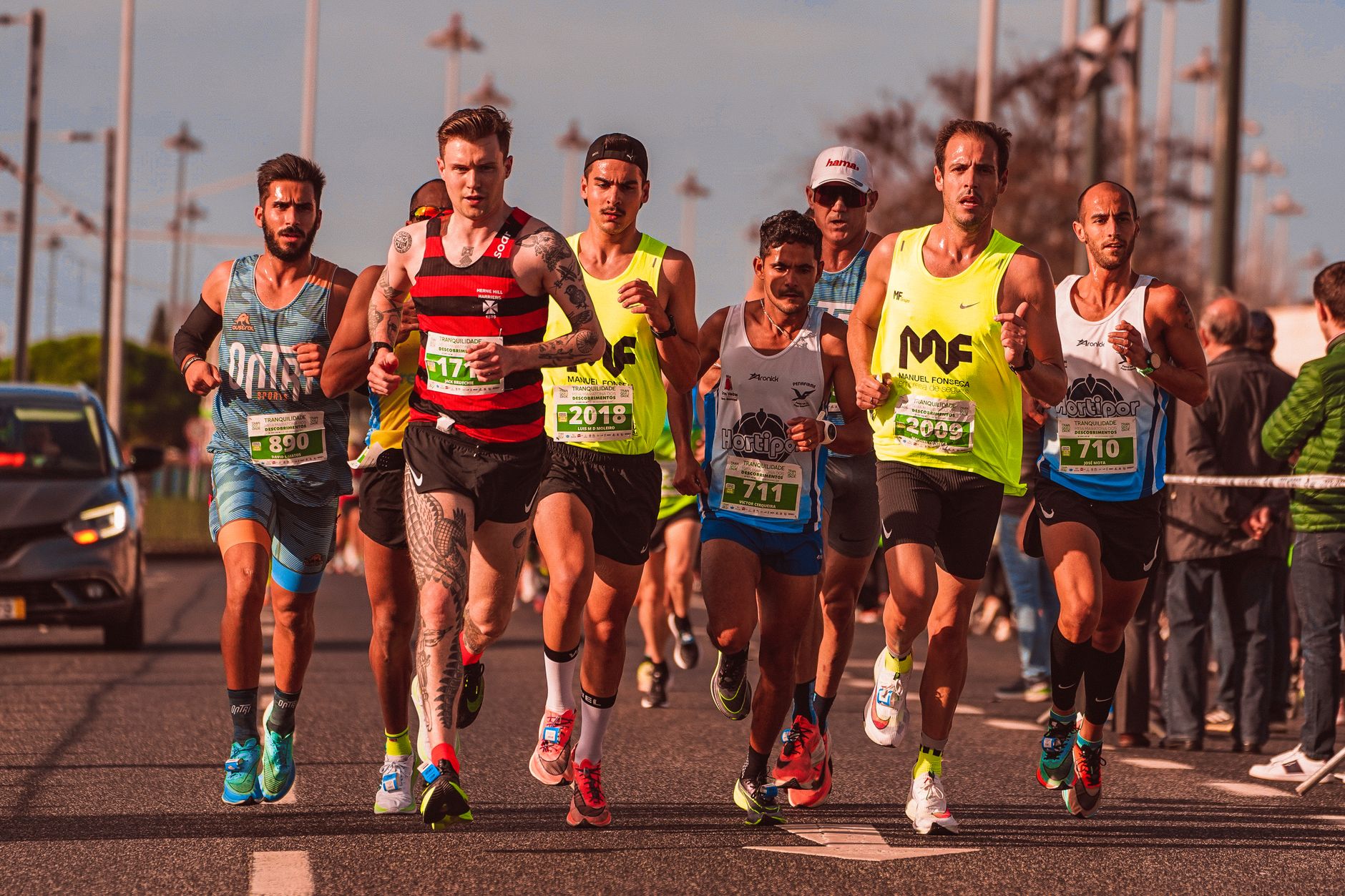
No, do not push through sore legs with a hard run to speed weight loss. Take an easier workout when soreness is dull and mild, and skip hard running when pain is sharp, severe, or changes your stride. That heavy, stiff feeling is often delayed-onset muscle soreness (DOMS), pain after hard or unfamiliar effort that shows up hours later while muscle fibers repair. For weight loss, steady activity across the week and steady eating habits matter more than forcing one painful run.
Medical information disclaimer: This article is for general educational purposes only and does not provide medical advice, diagnosis, or treatment. Always consult a physician or other qualified health professional about symptoms, medications, tests, or treatment decisions.
Table of Contents
- Why do legs feel sore a day later?
- Can you run when your legs are sore?
- How do you protect weight loss on sore days?
- When should sore legs stop the run?
Why do legs feel sore a day later?
A fast workout, long run, downhill miles, or return after time off can leave thighs and calves tender the next day. According to the American College of Sports Medicine, via Texas Health Resources, DOMS typically begins 12-24 hours after unfamiliar or intense exercise, peaks at 24-72 hours, and lasts 3-5 days while micro-damaged fibers repair, as explained in the difference between muscle soreness and injuries.
Cleveland Clinic describes the same pattern as pain starting 1-3 days after intense exercise that fades as muscles heal and rebuild stronger. That process is usually normal. Soreness in both legs after a harder-than-usual run fits this pattern more than damage in one spot.
Can you run when your legs are sore?
Yes, if the feeling is dull, mild, and spread across muscles worked the day before. Cleveland Clinic sports medicine physician Dominic King, DO, says low-level dull soreness may allow a lighter-than-usual workout, and easy activity may ease achiness, but people should not push through actual pain, as explained in whether to work out when sore.
That means shorten the run, slow the pace, stay on flat ground, and stop if form breaks down. A brisk walk, easy spin, light swim, or gentle jog plus walking breaks can keep blood moving without adding strain.
How do you protect weight loss on sore days?
Think in weeks, not single runs. The U.S. Department of Health and Human Services advises adults to get at least 150-300 minutes weekly of moderate aerobic activity plus muscle-strengthening on 2 or more days.
Swap a planned hard run for easy minutes toward that total. For example, trade tempo miles for a 30-minute walk, an easy bike ride, or two 15-minute walks around work breaks. Food intake still decides most weight change. According to the National Institute of Diabetes and Digestive and Kidney Diseases, weight loss requires taking in fewer calories from foods and beverages, while regular activity burns more calories and is especially important for keeping lost weight off, as detailed in advice on eating and activity for weight management.
When should sore legs stop the run?
Skip strenuous running when soreness is severe, makes stairs or sitting hard, alters your gait, feels sharp, affects one side only, or centers in a joint. Those signs point more toward injury than normal DOMS.
Get prompt care for added warning signs. Cleveland Clinic advises seeing a clinician for severe pain, marked swelling or weakness, dark or cola-colored urine, or soreness that lingers, worsens, or recurs after most workouts, as listed in its guide to delayed-onset muscle soreness. Call your clinic the same day for dark urine, major swelling, or severe weakness after hard exercise.
- severe pain or marked swelling, weakness, or trouble bearing weight
- dark or cola-colored urine
- sharp, one-sided, or joint pain
- soreness that lingers, worsens, or returns after most workouts
- limp, changed stride, or pain that makes daily moves harder
1 thought on “Running on Sore Legs, Should You Push Through for Weight Loss Goals?”
Comments are closed.