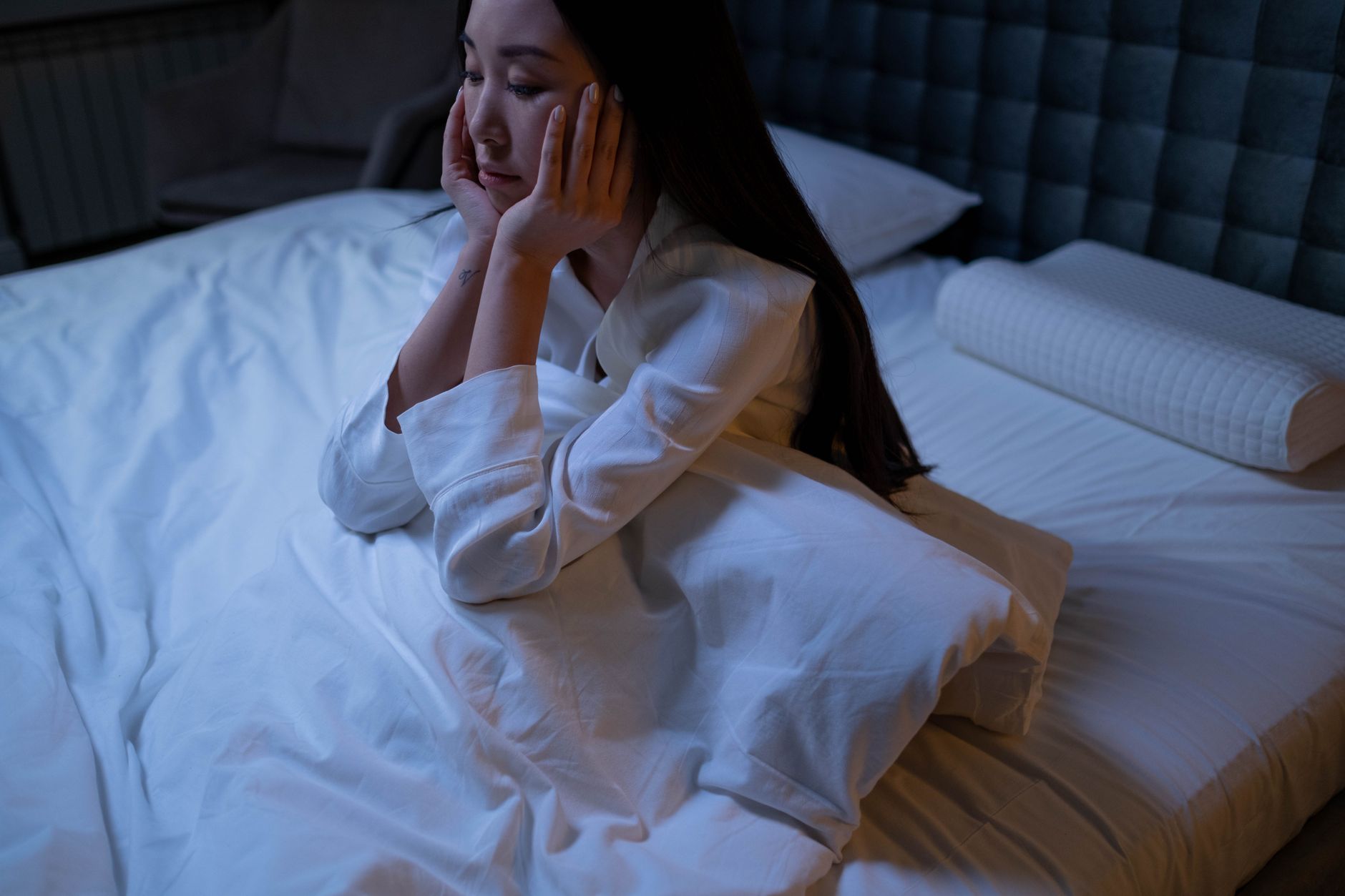
Insomnia the night before a 5K — trouble falling asleep or staying asleep — comes mainly from mental arousal, race worry, late caffeine, a strange bed, and a very early alarm. Your brain stays alert while your sleep window shrinks.
This pattern is common. The Journal of Science and Medicine in Sport found 64% of 283 elite Australian athletes slept worse before important competition, as summarized in the TriForward pre-race sleep guide. Trouble falling asleep was the main complaint.
Medical information disclaimer: This article is for general educational purposes only and does not provide medical advice, diagnosis, or treatment. Always consult a physician or other qualified health professional about symptoms, medications, tests, or treatment decisions.
Table of Contents
- Why does your mind stay switched on?
- Can caffeine and an early start steal sleep?
- Why does a strange bed make it worse?
- Will one bad night ruin your 5K?
Why does your mind stay switched on?
Pre-race cognitive arousal keeps many 5K runners awake through course rehearsal, logistics worry, and fear of oversleeping. According to Sovune, that worry raises tension and fragments the short night-before sleep window.
The same guide reports thoughts about competition affected 83.5% of poor sleepers and nervousness affected 43.8%. A separate study in the European Journal of Sport Science found almost 70% of 103 athletes slept worse than usual, with anxiety, noise, needing the toilet, and early starts as common causes.
Can caffeine and an early start steal sleep?
Afternoon or evening caffeine blocks adenosine, the brain chemical that builds sleep pressure. The Sleep Health Foundation reports it peaks in 30–70 minutes and lasts 3–7 hours, making it harder to fall and stay asleep, as explained in the Sovune caffeine and sleep guide.
Very early 5K alarms shorten sleep opportunity and push bedtime earlier against normal body-clock timing. Enervit notes travel, jet lag, and individual chronotype add to that disruption.
Why does a strange bed make it worse?
Sleeping in an unfamiliar hotel can trigger the first-night effect. Blackroll and Dr. Fabian Krapf describe one brain hemisphere staying vigilant, a pattern covered in the Blackroll sleep-on-vacation article.
The result is lighter sleep, frequent awakenings, and feeling unrested. Noise, bathroom trips, warm rooms, and checking the clock add awakenings. A familiar wind-down, low light, and a set wake-up plan reduce that vigilance.
Will one bad night ruin your 5K?
One poor night rarely decides a short morning race. RunnersConnect stresses banking sleep across race week over chasing one perfect night, as detailed in the RunnersConnect pre-race sleep guide. What matters more is a calm, familiar routine:.
- protect sleep on the two to three nights before race week ends
- stop caffeine by early afternoon before the race
- keep the usual bedtime routine, even in a hotel
- lay out bib, shoes, breakfast, and transport before bed