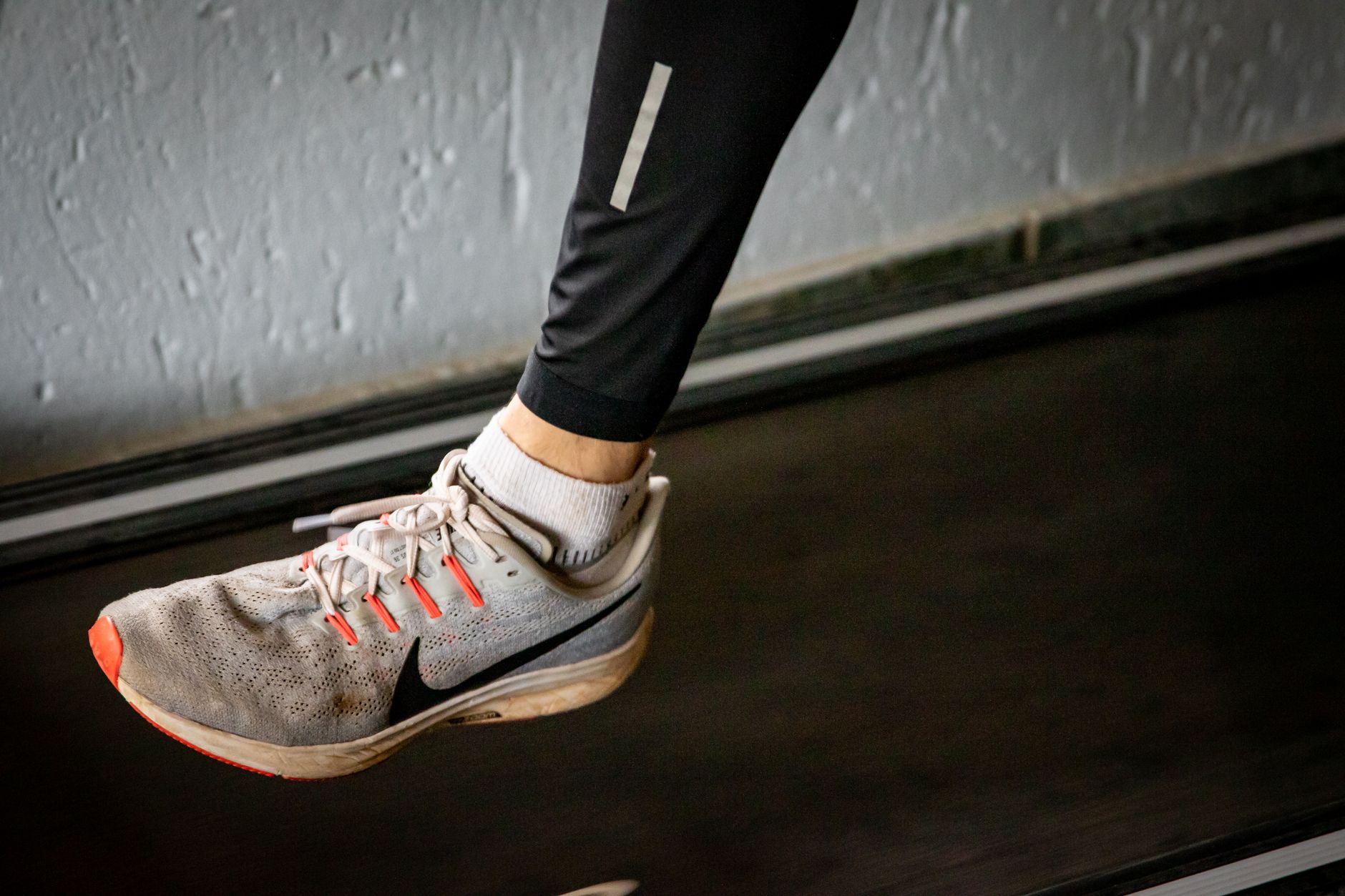
Yes. Running in December cold can burn more calories than the same run in warm weather. The body works harder to generate heat and maintain core temperature, according to Froedtert and the Medical College of Wisconsin. That extra heat production is small for most runners, and it varies from person to person.
Medical information disclaimer: This article is for general educational purposes only and does not provide medical advice, diagnosis, or treatment. Always consult a physician or other qualified health professional about symptoms, medications, tests, or treatment decisions.
Table of Contents
- Why does cold increase calorie burn?
- How much extra might you burn?
- Does cold change which fuel you burn?
- When should December runners move indoors?
Why does cold increase calorie burn?
Cold exposure activates thermogenesis, the process of making heat. Shivering muscle and brown fat both use energy for that job. Brown fat is a heat-producing type of fat that burns calories to keep you warm.
Mild cold of 16–19°C, compared with 24°C room temperature, raised daily energy use while increasing brown-fat volume and activity, according to a systematic review in Frontiers in Physiology. That review estimated the rise at about 188 kcal per day. A single run captures only part of that daily effect.
How much extra might you burn?
The average hides wide differences. People with detectable brown fat had much larger cold-induced heat production than those without it. After two hours at 19°C, adults with detectable brown fat burned about 252 kcal per day extra, versus about 78 kcal per day for those without it.
Another short cold test found about 15 percent higher burn, about 20 kcal more, in people with active brown fat. Your total also depends on fitness, height, weight, body composition, age, and exercise type, according to Froedtert and the Medical College of Wisconsin. Two runners on the same winter route can therefore get different calorie bonuses.
Does cold change which fuel you burn?
During submaximal walking and running in the cold, participants shifted toward fat use. Respiratory quotient fell while fat oxidation rose by about 0.14 g per minute. That shift does not mean unlimited fat loss.
It reflects fuel choice during that session, not total weight change over weeks. Clothing, wind, pace, hills, and shivering after the run also shape the result. A relaxed cool-weather jog differs from a hard run into wind with cold hands.
When should December runners move indoors?
Check wind chill before heading out. Consider moving indoors below 0°F, because frostbite can strike exposed skin within 30 minutes below −18°F wind chill, according to Mayo Clinic winter safety guidance. Use these checks for a safer cold run: A treadmill session keeps training consistent when wind chill falls into the frostbite range.
- Cover nose, cheeks, ears, fingers, and toes when wind chill is very low.
- Shorten the outdoor loop when gusts increase heat loss.
- Move the workout inside when skin turns white, waxy, numb, or painful.