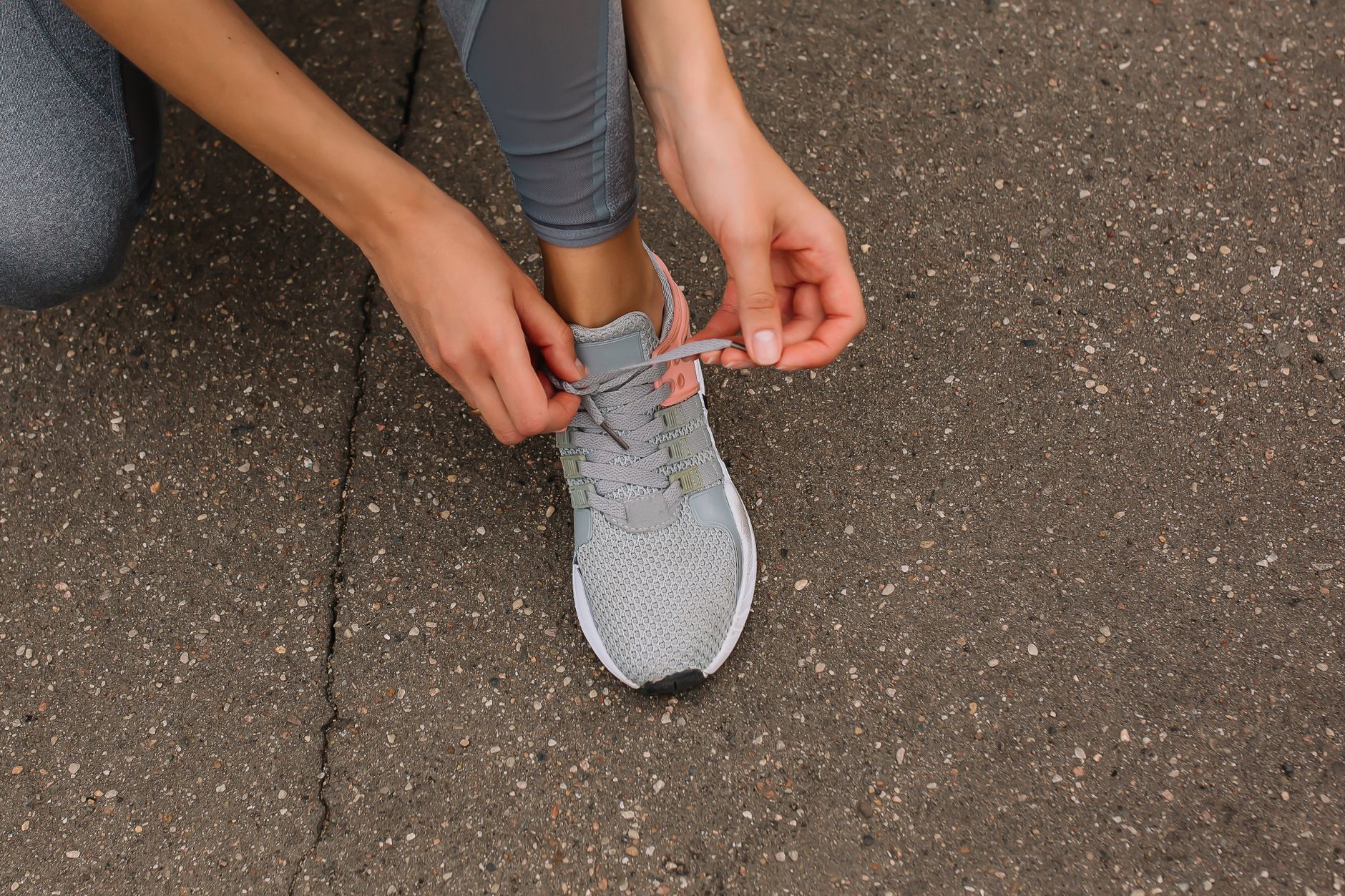
No, do not automatically resize if running shoes feel tighter after weight loss. The tightness usually comes from swelling, heat, socks, lacing, or worn cushioning, not bigger feet.
Weight loss usually makes feet looser and more compact. Less load lets arches sit higher and the foot fan out less during stride. Over-pronation, meaning the foot rolling too far inward, also tends to ease.
Medical information disclaimer: This article is for general educational purposes only and does not provide medical advice, diagnosis, or treatment. Always consult a physician or other qualified health professional about symptoms, medications, tests, or treatment decisions.
Table of Contents
- Why lighter feet usually get smaller
- Why new tightness points elsewhere
- How a running fit should feel now
- Should you resize, adjust, or replace?
Why lighter feet usually get smaller
Foot bones keep the same length after weight loss, but soft-tissue volume, swelling, and sideways spreading decrease. The American Podiatric Medical Association spokesperson explains this pattern in WeightWatchers guide to how weight affects feet. Heavier loading stretches foot tendons and ligaments, flattens arches, and promotes over-pronation.
Losing weight reduces that load, so the foot fans out less. Gotham Footcare describes the same result after losses of more than 40 pounds: less splaying plus restored arch height. The change can be large after major loss. In a 12-month sleeve-gastrectomy study, patients who lost 50 to 100 pounds dropped about one full shoe size on average, often with narrower width such as EE to D, according to the UCD study in the PMC archive of the foot-size study.
Why new tightness points elsewhere
New tightness after weight loss is atypical for fat loss alone. It more often reflects heat, daytime fluid pooling, run-induced swelling, socks, lacing, or worn shoes. Heat is a strong short-term driver.
Central Florida Foot and Ankle Institute podiatrist Dr. Carli Hoover notes that heat can swell feet by up to half a shoe size, turning a cool-weather fit painfully tight, in the Florida foot-protection guide for hot weather. Afternoon runs, long mileage, thick socks, a fast pace, and tight lacing add pressure. Shoes that felt roomy in the morning can feel short, hot, and blister-prone by mile three.
How a running fit should feel now
A proper running fit stays snug at heel and midfoot without heel slip. It leaves about a thumb width between longest toe and shoe tip, often about a half size above measured size, according to Brooks Running in the Brooks Running FAQ and size guide. Check fit late in the day or after a short run, when feet are slightly swollen.
Wear your usual running socks and lace for even pressure. Toes should wiggle, the midfoot should feel held, and neither arch nor toenails should ache. Do not chase a smaller size because your body is smaller. Foot length rarely follows dress or pant size, and downsizing into pressure causes numb toes, black toenails, and forefoot pain.
Should you resize, adjust, or replace?
Remeasure both feet before buying another size, preferably late-day or post-run. The American Orthopaedic Foot and Ankle Society advises this timing rather than automatically sizing down when tightness appears.
Work through the reversible causes first: Replace worn pairs that pinch, tilt, or feel flat even with good lacing. Buy only when measured length, width, and post-run comfort point to a different size.
- loosen laces over the forefoot and use a heel-lock for slip
- switch to thinner or moisture-wicking socks from the same shoe test
- compare morning and post-run feel to spot swelling
- track mileage because cushioning degrades after 300 to 500 miles or 300 hours of exercise