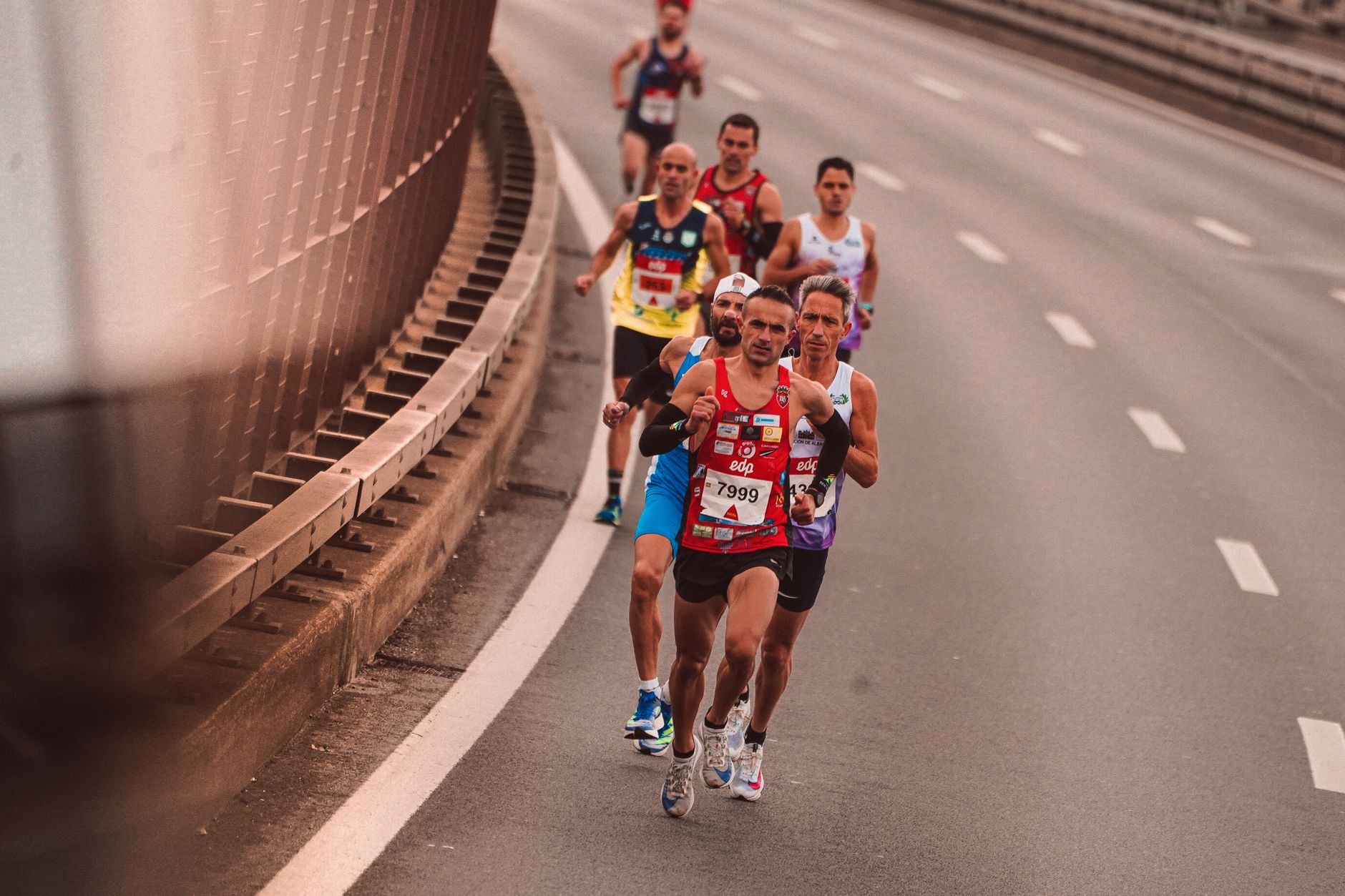
Take a few days completely off running after a marathon. Wait 5-7 days before running again, then allow about 3-4 weeks before hard workouts, long runs, or racing. Muscle soreness often peaks around 48 hours after the race. Feeling better after several days does not mean the tissues are fully healed, because recovery time varies by effort, experience, pain, and injury.
Medical information disclaimer: This article is for general educational purposes only and does not provide medical advice, diagnosis, or treatment. Always consult a physician or other qualified health professional about symptoms, medications, tests, or treatment decisions.
Table of Contents
- Why take complete rest first?
- When can you run again?
- How long until full training?
- What helps in the first day?
- When should you take longer?
Why take complete rest first?
Sports-medicine doctors at UCLA Health advise a short break from running after a marathon. They recommend a few days with no running at all. If you move, keep it to easy walking, biking, swimming, or elliptical at low intensity.
That pause matters because muscle damage persists after pain fades. Marathon soreness comes from repetitive-stress microtrauma, meaning tiny injuries to muscle cells from thousands of foot strikes. Tissue repair continues even when stiffness starts to ease.
When can you run again?
Hospital for Special Surgery experts advise waiting 5-7 days before running again. Their guidance is to restart on soft surfaces at reduced intensity. Keep early mileage below 25% of peak weekly mileage.
Start with short, easy running and stop if pain or discomfort appears. Choose flat routes and forgiving ground such as track, trail, or turf. Add distance only when running feels smooth and pain-free.
How long until full training?
Coaches and clinicians describe full recovery as about 3-4 weeks, often structured as a 4-week reverse taper. A reverse taper means planned rest followed by gradual mileage, the opposite of the pre-race taper. Hard workouts, long runs, and racing wait until that rebuild is done.
That longer window matches what blood markers show after marathons. In one small study, muscle-damage signals stayed high for about one week. Use weeks two through four to rebuild easy volume before adding speed or hills.
What helps in the first day?
Immediate recovery starts at the finish line. Keep walking for a short time, change into dry clothes, and drink fluids with electrolytes. Eat carbs plus protein within about 30 minutes, limit alcohol, and get extra sleep because sleep repairs damaged muscle and tissue.
The immune system is also briefly weaker for roughly 24-48 hours. During that window, rest, hydrate, eat nutrient-dense food, and avoid sick contacts. Useful first-day steps include:.
- keep walking briefly, then change into warm, dry clothes
- drink water plus electrolytes and eat carbs with protein soon
- limit alcohol and go to bed early for extra sleep
- stay away from colds, flu, and other infections
When should you take longer?
Take extra time if you have sharp pain, swelling, limping, blisters that alter your stride, or an illness after the race. Runners with more race-day effort, less marathon experience, or lingering soreness often need more rest. Waiting longer before running lowers injury risk.
Return is a decision, not a date. If discomfort appears during a comeback run, stop and rest more. Runners with injury warning signs should seek medical care before resuming training.