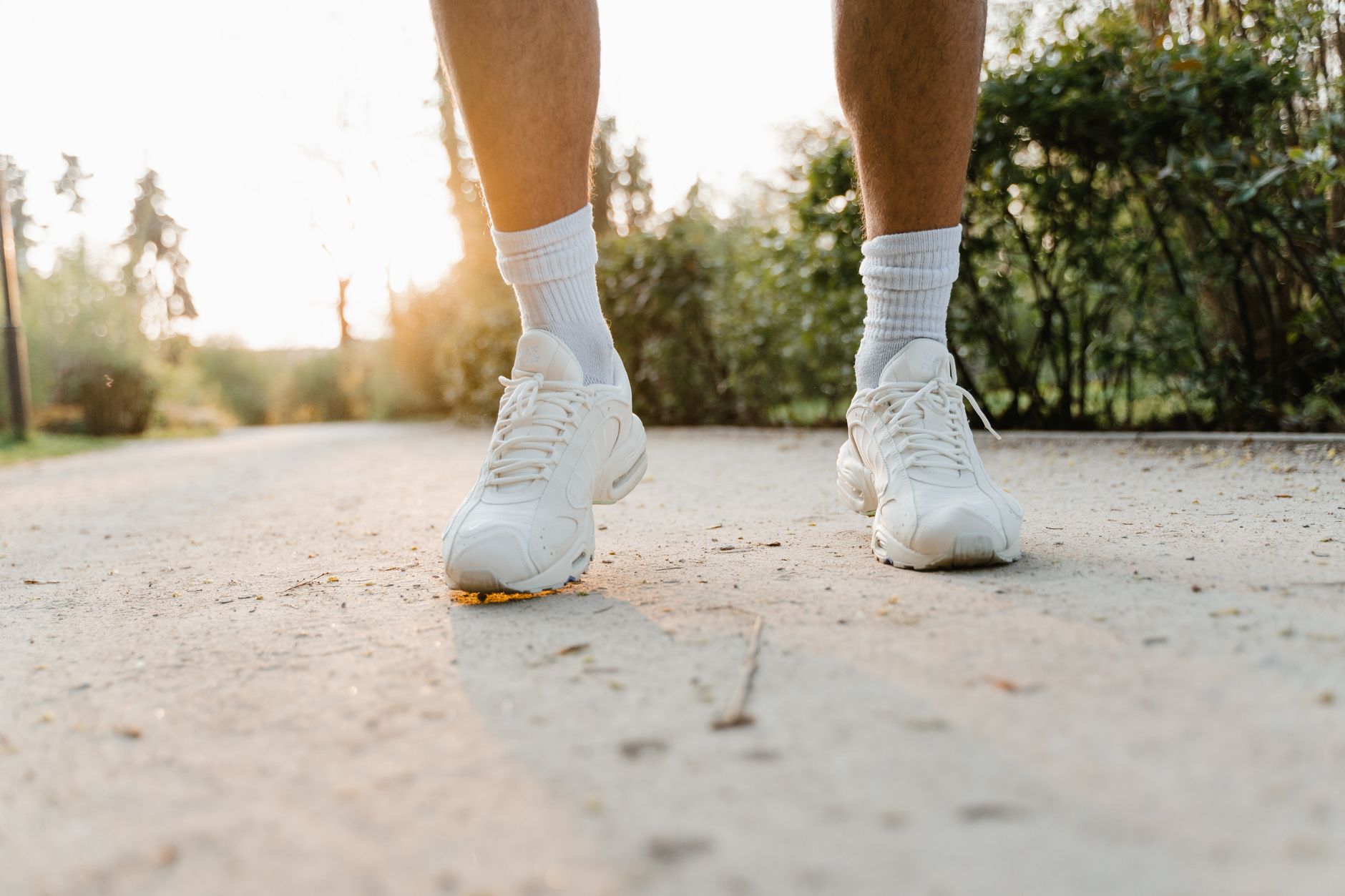
The best setup is a cushioned daily trainer for walking miles plus a stable cross-trainer for lifting days. Use a model like the Brooks Ghost 18 or HOKA Bondi 8 for walks, then switch to firmer gym shoes for weights. A cut means eating slightly fewer calories than you burn to lose fat while keeping muscle and fitness. Runners can protect aerobic volume during that phase by pairing brisk walking with lifting.
Medical information disclaimer: This article is for general educational purposes only and does not provide medical advice, diagnosis, or treatment. Always consult a physician or other qualified health professional about symptoms, medications, tests, or treatment decisions.
Table of Contents
- What to wear for walking miles?
- Which walking shoe matches your needs?
- Why lift in different shoes?
- When should runners replace shoes?
- How much walking and lifting preserves fitness?
What to wear for walking miles?
Brooks lists the Ghost 18 as a road-running, daily-run, and walking shoe with nitrogen-infused DNA LOFT v3 cushioning for soft landings, 10mm drop, and breathable mesh, according to the Brooks Ghost 18 product page. That mix suits runners logging steady walking miles on roads and sidewalks.
HOKA positions the Bondi 8 as a neutral plush, max-cushion shoe for everyday run and walking with a wide-base EVA midsole, commonly listed with about 33mm heel stack and 4mm drop, according to the official HOKA Bondi page. The wide base helps stability when legs feel tired late in a diet phase.
Which walking shoe matches your needs?
Lab-based 2026 testing from RunRepeat named the New Balance Ellipse best overall, Saucony Triumph 24 best for shock absorption, and Brooks Adrenaline GTS 25 best for arch support. A separate 2026 hands-on roundup from Garage Gym Reviews picked HOKA Bondi 8 overall, Saucony Cohesion 13 for budget, New Balance Fresh Foam X 1080v12 for wide feet, and Brooks Addiction Walker for seniors.
Pick cushioning first if joints feel beat up from running. Pick structured support first if arches collapse, ankles roll inward, or long walks cause arch fatigue.
Why lift in different shoes?
Cross-training shoes suit gym work better than running shoes because they provide more lateral support and less flexibility for stair machines and lifting, though they tend to be heavier, according to Dr. Michael Ayres podiatry practice citing the American Academy of Podiatric Sports Medicine in the athletic shoe guidelines.
Soft running foam can feel wobbly under a barbell or on lateral moves. Keep roles separate during a cut to sustain both activities:.
- walking miles: cushioned daily trainer such as Ghost 18 or Bondi 8
- lifting days: stable cross-trainer with firmer sidewalls
- gym cardio machines: cross-trainer for stairs, rower, or sled work
When should runners replace shoes?
Replace running or walking shoes after 300-500 miles or about one year. Replace aerobic and court shoes after 45-60 hours.
Act sooner with uneven sole wear, creasing, or heel-counter breakdown. Worn foam raises joint stress and blister risk. That matters more in a cut because recovery feels slower and missed walks reduce weekly volume.
How much walking and lifting preserves fitness?
Federal guidance from the U.S. Dept. of Health and Human Services ODPHP calls for 150-300 minutes weekly of moderate aerobic activity like brisk walking plus muscle-strengthening at least 2 days weekly, detailed in the current activity guidelines summary.
That target lets runners swap some runs for brisk walks without losing aerobic time. Schedule three to five brisk walks and two full-body lifts per week. Log shoe miles and gym hours on a phone note and rotate pairs before cushioning goes flat.