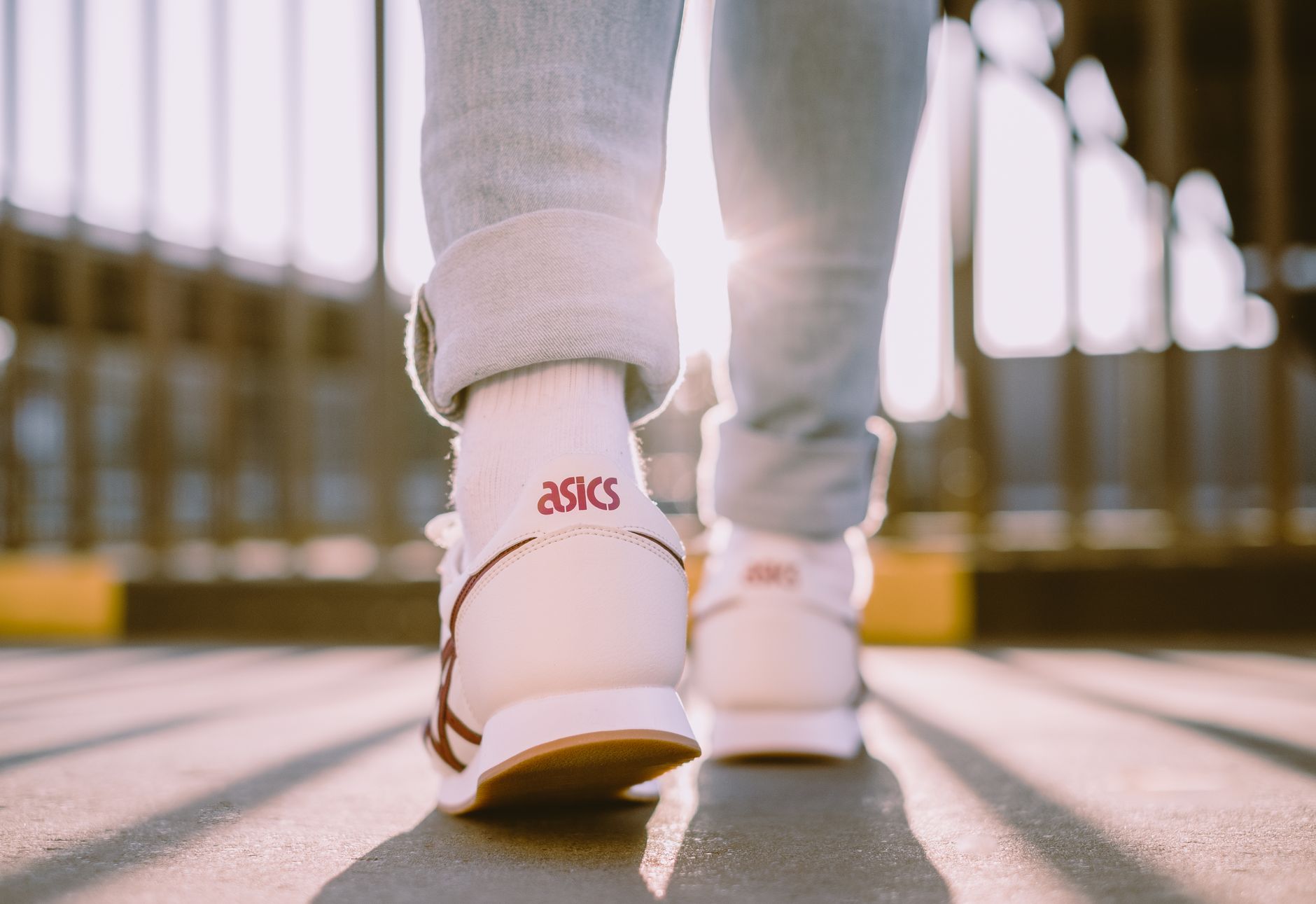
For marathon training, both ASICS and Mizuno daily trainers fit true to size, meaning the labeled size matches expected foot length. ASICS anchors size to foot length in centimeters with toe room, while Mizuno adds about 1 cm to foot length for running size. Marathon training means repeated long runs, often 25-40 km, where small fit errors cause blisters or bruised toenails. The practical difference is spacing method and shoe shape, not ordering a full size up or down.
Medical information disclaimer: This article is for general educational purposes only and does not provide medical advice, diagnosis, or treatment. Always consult a physician or other qualified health professional about symptoms, medications, tests, or treatment decisions.
Table of Contents
- How should each brand feel on foot?
- How do you turn foot length into size?
- Why does marathon distance change sizing?
- Which shape suits your foot?
- Do popular marathon trainers fit the same?
How should each brand feel on foot?
ASICS should feel snug in the heel and midfoot with room to wiggle the toes. The ASICS official fit guide leaves about half to a full thumb width between the longest toe and the shoe end, described in the ASICS fit guide.
Mizuno uses a similar toe check tied to the insole. Remove the insole, align the heel, and look for about one index-finger width beyond the longest toe. That method confirms the added length rather than relying on pressure feel in the store.
How do you turn foot length into size?
Measure both feet in centimeters late in the day and use the longer foot. ASICS publishes a US, UK, and EU to centimeter chart and tells shoppers to choose by measured centimeter length, not US size alone.
Mizuno starts from actual foot length plus about 1 cm. Mizuno USA adds another 0.5 cm if the fit feels tight, or a wide width in a length 0.5 cm shorter, explained in Mizuno's running-shoe fit post.
- Measure heel to longest toe in centimeters.
- Match the centimeter row for ASICS, keeping thumb-width toe space.
- Add about 1 cm to foot length for Mizuno, plus 0.5 cm if tight.
- Test wide widths before adding length for a tight midfoot.
Why does marathon distance change sizing?
Feet swell and change circumference over long distances such as marathons. Mizuno USA therefore tells buyers to prioritize measured fit over immediate feel.
Shop in the afternoon wearing current running socks and shoes. Walk, jog, and check heel hold, toe space, and width pressure after several minutes. If length is right but width pinches, change width before changing length.
Which shape suits your foot?
For daily marathon training, ASICS uses plush padding and a tailored shape for heel hold. Mizuno uses stiffer construction that often holds the heel more reliably but can feel narrower and more athletic.
Wide-footed runners may prefer ASICS, while runners with heel slip may prefer Mizuno. Women should note Mizuno New Zealand lists B as standard and D as wide, advises ordering 1.5 US sizes smaller in unisex shoes, and going a further half-size up in Waveknit Rider, Sky, and Inspire versions.
Do popular marathon trainers fit the same?
Lab testing found the Mizuno Wave Rider 30 fits true to size for length, width, and arch volume. Taller toes may still feel the toe box as low.
Both flagship ASICS marathon trainers also fit true to size, according to Find My Footwear in the Nimbus 27 versus Cumulus 27 comparison. The neutral Gel-Nimbus 27 offers maximum cushioning at 43.5/35.5 mm and 307 g, while the Gel-Cumulus 27 offers medium cushioning at 38.5/30.5 mm and 270 g, both with 8 mm drop. Pick Nimbus for maximum padding on long days and Cumulus for a lighter daily shoe, then recheck thumb-width space in that model.