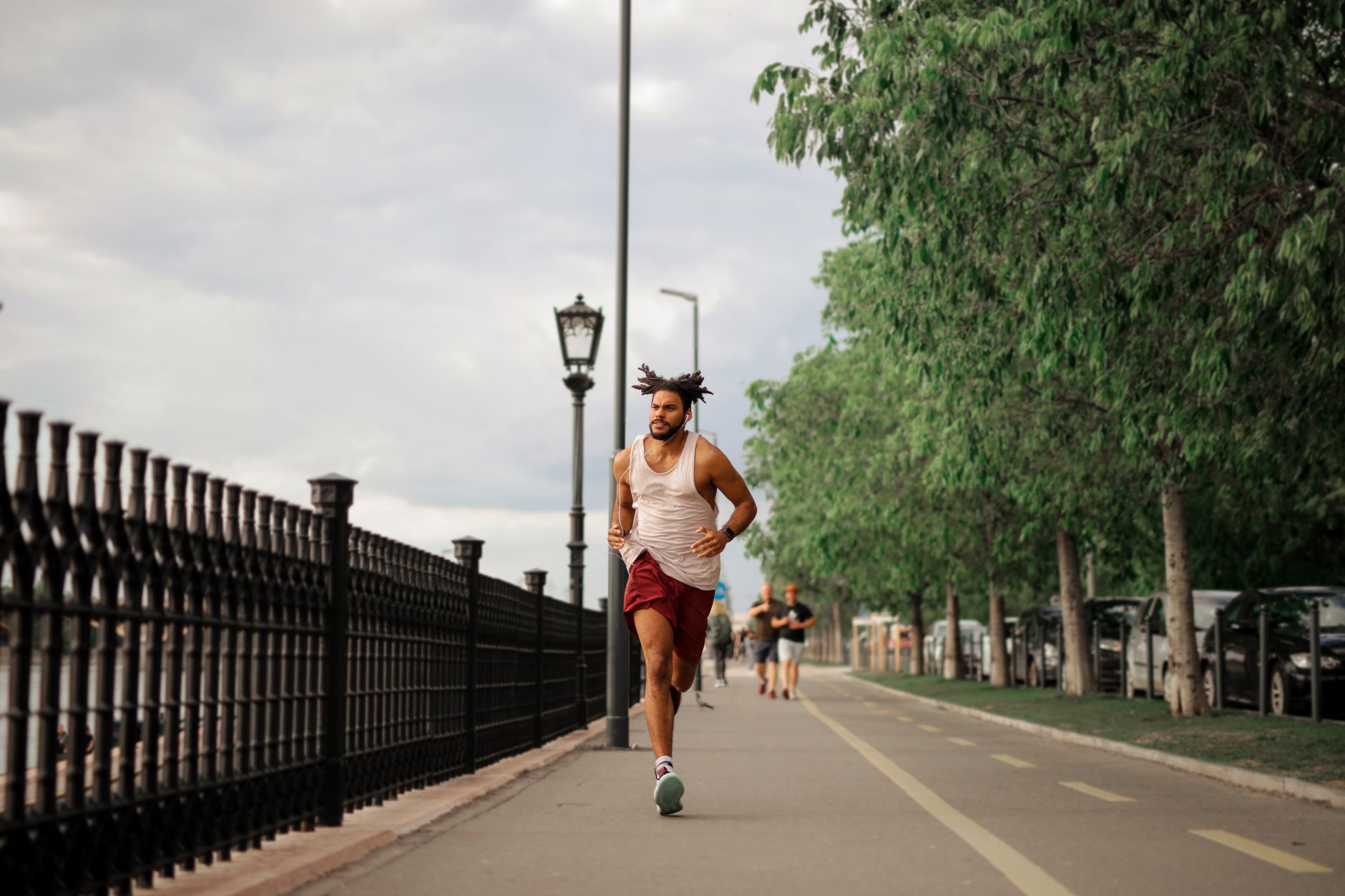
For exercise-induced bronchoconstriction — airway narrowing during or after exertion — inhale a short-acting beta-agonist such as albuterol typically 15 minutes before running. In cold weather, cover your mouth and nose with a scarf or mask to warm and humidify inhaled air. The American Thoracic Society strongly recommends that 15-minute timing for people with exercise-induced bronchoconstriction, according to the ATS guideline summary. Pre-exercise use prevents symptoms for 2-4 hours in about 80-90% of people, Ohio State reports in its exercise-asthma guide.
Medical information disclaimer: This article is for general educational purposes only and does not provide medical advice, diagnosis, or treatment. Always consult a physician or other qualified health professional about symptoms, medications, tests, or treatment decisions.
Table of Contents
- When should you take your inhaler before a run?
- Can you use a rescue inhaler every day to prevent symptoms?
- Why does cold air trigger trouble for runners?
- Do masks help, and how should runners use them?
When should you take your inhaler before a run?
Take the preventive puff about 15 minutes before you start. That window lets the drug open airways before ventilation rises. The protection does not last all day.
Plan longer runs, races, and back-to-back efforts around that 2-4 hour window. If symptoms still break through, slow down and follow your asthma action plan. Do not stack extra preventive puffs without medical advice.
Can you use a rescue inhaler every day to prevent symptoms?
Intermittent pre-exercise use works best for exercise symptoms alone. Daily preventive SABA use can cause tolerance. The cause is beta-receptor down-regulation.
The airways respond less strongly over time. The American Thoracic Society advises intermittent pre-exercise use plus a controller medication if you need prevention daily. Ask your clinician whether frequent exercise symptoms mean your asthma needs controller treatment.
Why does cold air trigger trouble for runners?
Running raises breathing rate and shifts much breathing to the mouth. That bypasses nasal warming and filtering. Cold, dry air then hits lower airways directly.
The Asthma and Allergy Foundation of America says this cold-air exposure triggers airway narrowing and asthma attacks, as described in its winter-weather advisory. Risk rises on very cold, windy, high-pollen, or high-pollution days. Those are good days to shorten the outdoor run or move it indoors.
Do masks help, and how should runners use them?
Yes, warming and humidifying inhaled air helps. In a controlled cold-air exercise trial, a heat-and-moisture-exchange mask cut median post-exercise FEV1 fall to 10% versus 22% with a sham mask, researchers reported in the Thorax trial report. For everyday running, the Asthma and Allergy Foundation of America advises a scarf or face mask over mouth and nose outdoors in cold.
Keep your quick-relief inhaler with you, protected from cold. ATS guidance also pairs medication with interval or combination warm-up exercise and routine mask use in cold weather. A practical cold-day routine looks like this:.
- Do about 15 minutes of varied-intensity warm-up before harder running
- Breathe through the nose when possible
- Stop and use rescue inhaler if cough, wheeze, chest tightness, or unusual breathlessness starts
- Move indoors on very cold, high-pollen, or high-pollution days