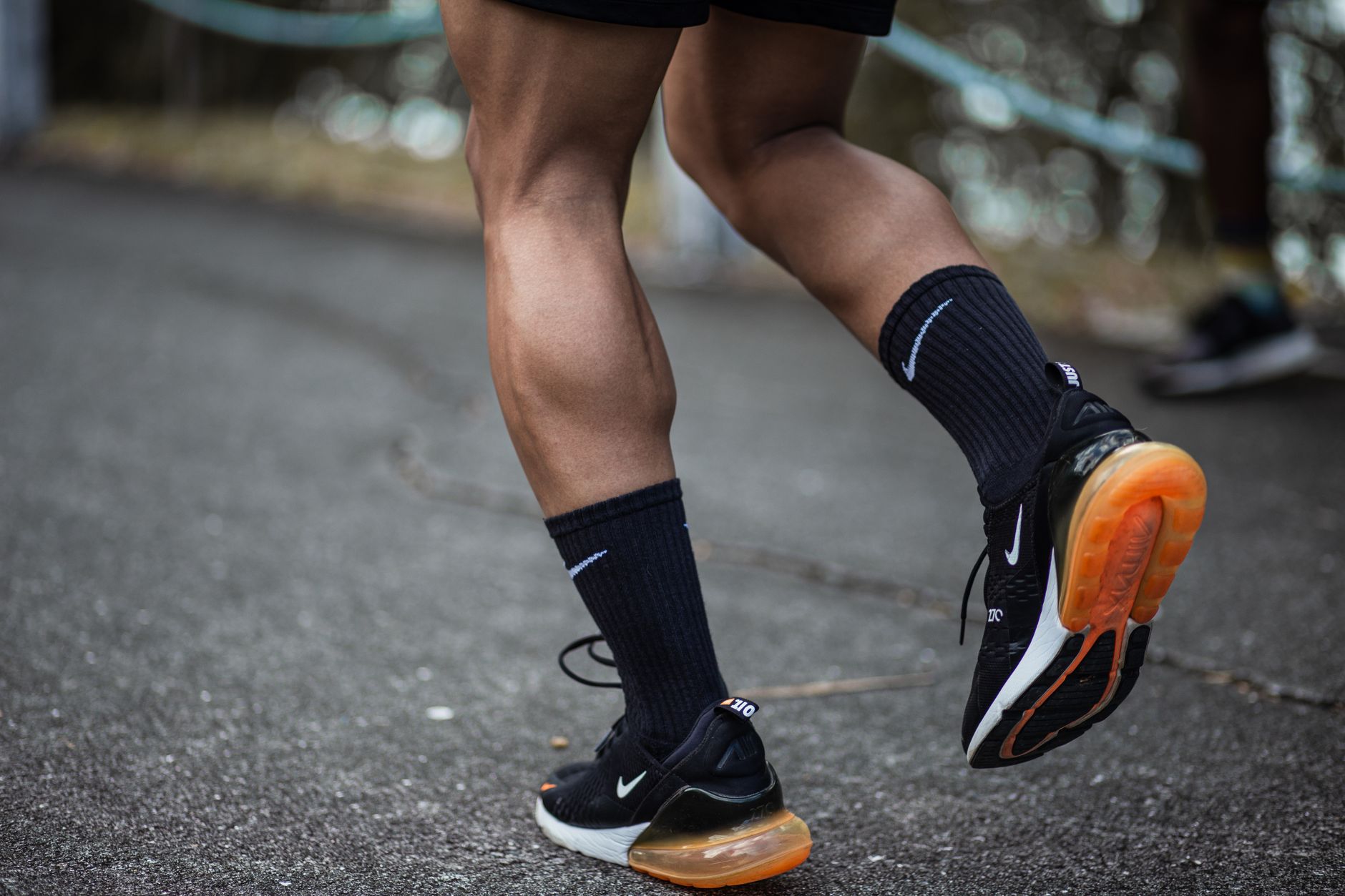
Nike running shoes tend to run narrow and small through the toe box, while Brooks running shoes tend to fit roomier and offer more width choices. Nike generally suits narrow-footed runners best, and Brooks accommodates average to wide feet more easily. Running size means the length and width that leaves toe room without heel slip. Both brands expect runners to buy larger than street shoes and to check fit by toe wiggle and front clearance.
Medical information disclaimer: This article is for general educational purposes only and does not provide medical advice, diagnosis, or treatment. Always consult a physician or other qualified health professional about symptoms, medications, tests, or treatment decisions.
Table of Contents
- How does the fit feel?
- What size should you start with?
- Do you need wide or half-size-up?
- Can you apply one comparison to every model?
How does the fit feel?
Nike running lasts run narrower than competitors through the toe box, so they tend to feel small. Marathon Handbook reports this narrow shape suits narrow-footed runners best. Brooks running shoes leave about a thumbnail's width between the heel-backed big toe and the shoe front, according to Brooks' how-to-choose guide.
That space plus room for toe wiggle supports balance and push-off. The result is a secure heel with a less pinched forefoot. Nike's podiatrist-reviewed fit guide sets a similar test: toes should wiggle slightly without the foot sliding, as explained on Nike's sneaker-fit article. Cramped toes or pressure on the front mean sizing up.
What size should you start with?
Start with your longer foot in each brand, then compare it to that brand's chart. Nike instructs shoppers to measure both feet and use the longer measurement, sizing up a half size when between sizes.
Brooks recommends ordering running shoes one-half to one full size larger than dress shoes. Unisex sizes equal men's sizes, and women's converts to men's by subtracting 1.5 sizes. Use this quick check before a run:.
- Heel stays back with no slip on a walk and jog.
- Big toe sits about a thumbnail from the front.
- Toes wiggle without the forefoot feeling loose.
- No rubbing, numbness, or front-toe pressure.
Do you need wide or half-size-up?
The width range differs by model. Brooks Ghost 14 was offered in narrow, regular, wide, and extra-wide widths, while Nike Pegasus 38 offered only regular and extra-wide, giving Brooks broader accommodation for non-average feet, according to SteadyFoot. Nike also flags specific models as narrow.
Its current listings warn that models such as Run Defy and Journey Run run narrow and small, recommending a half size up especially for wider feet or thicker socks. Between sizes, choose the larger length first. Orthotic users should test with the orthotic inside, since inserts reduce interior volume.
Can you apply one comparison to every model?
No. Fit varies by model and generation, so a Ghost-to-Pegasus comparison does not transfer to all Nike or Brooks shoes.
Cushion level, upper material, last shape, and updates can change length and forefoot feel. Wide-foot, orthotic, or between-sizes runners should prioritize Brooks widths or Nike half-size-up. Try shoes late in the day in running socks, when feet are slightly swollen from activity.
2 thoughts on “Nike vs Brooks Running Shoe Sizes: How the Fit Compares”
Comments are closed.