Evaluate training for runners in 2026 by checking aerobic minutes, twice-weekly strength, protein and sleep recovery, heat safety, and shoe-legal low-impact options. Good programs meet health baselines, build strength, protect sleep, plan for heat, and swap in cross-training when impact adds up. Here training evaluation means comparing workload against recovery and safety risk. It asks whether the plan builds fitness without creating injury, illness, or falling short of accepted activity minimums.
Medical information disclaimer: This article is for general educational purposes only and does not provide medical advice, diagnosis, or treatment. Always consult a physician or other qualified health professional about symptoms, medications, tests, or treatment decisions.
Table of Contents
- Does your week meet the activity baseline?
- Are food and sleep supporting recovery?
- Do you have a heat safety plan?
- Are shoes and impact under control?
- What should you change first?
Does your week meet the activity baseline?
The U.S. Department of Health and Human Services tells adults to get at least 150–300 minutes of moderate-intensity aerobic activity weekly the current guidelines summary. It also tells adults to strengthen all major muscle groups on two or more days.
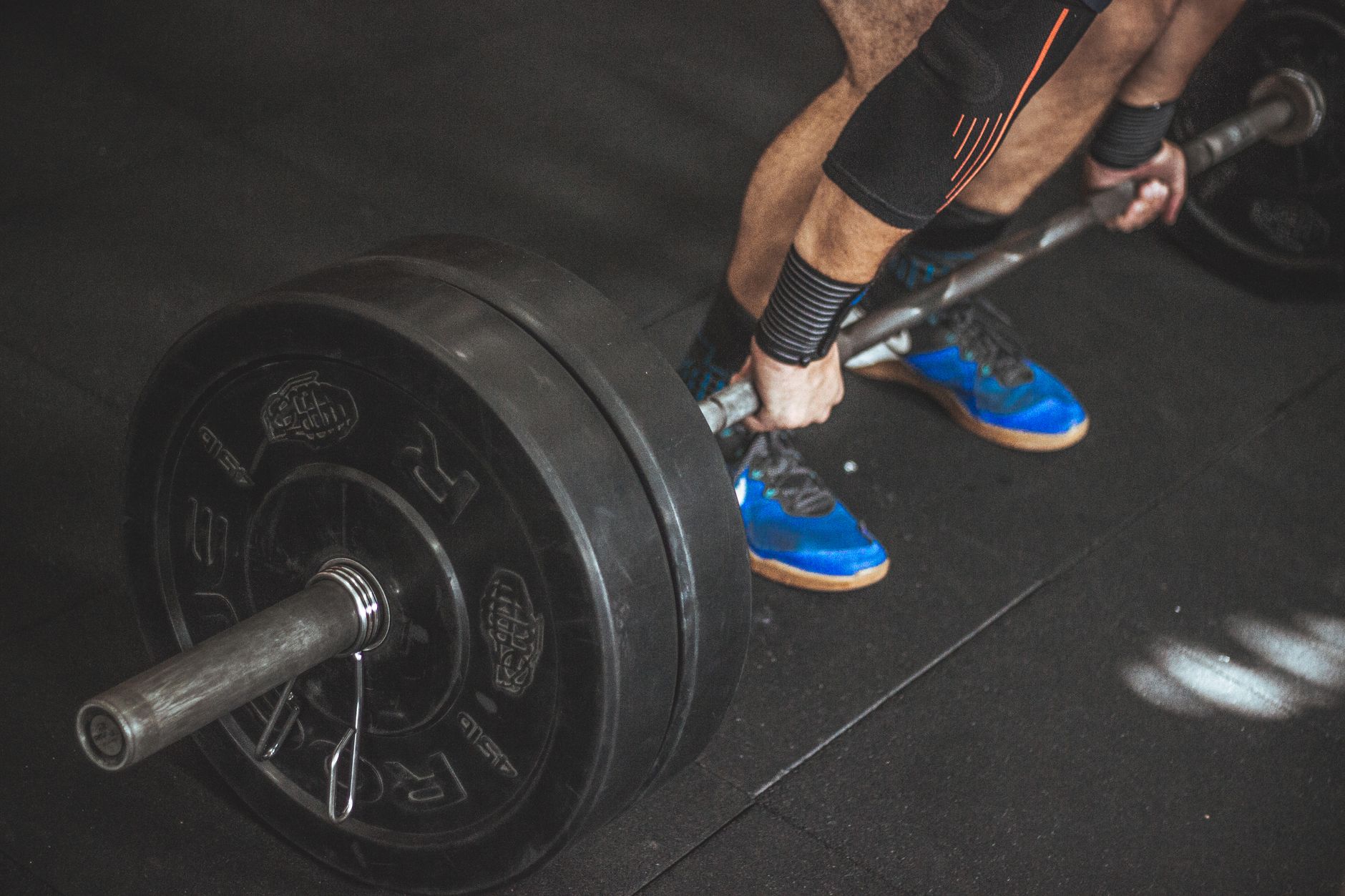
ACSM's first resistance-training update in 17 years, reported with McMaster researchers, reviewed 137 systematic reviews in more than 30,000 participants. It finds any challenging resistance builds strength and muscle and urges twice-weekly training of all major muscle groups. For runners, that means logging both road time and gym time. A week with three runs but no leg, hip, core, and upper-body strength misses half the baseline.
Are food and sleep supporting recovery?
The International Society of Sports Nutrition advises exercising adults to eat 1.4–2.0 grams of protein per kilogram daily the ISSN position stand. It places endurance athletes near the lower end and strength athletes higher, with 20–40 grams of quality protein per serving. Runners in heavy blocks often under-eat protein at breakfast and lunch. Spreading servings across the day supports repair better than one large dinner serving.
Sleep does similar work. Bonnar and colleagues, in Sports Medicine–Open, found sleep extension was the most helpful sleep move for athletic performance. Napping, sleep hygiene, and post-exercise routines had mixed results. The 2026 systematic review in Frontiers in Sports and Active Living warns short sleep harms mood, thinking, and physical performance and raises injury risk the 2026 systematic review. It estimates about 0.4% performance loss per extra hour awake when sleeping six hours or less.
Do you have a heat safety plan?
The National Athletic Trainers' Association defines exertional heat stroke — dangerous overheating during effort — by major brain-function change plus core temperature above 105°F the NATA executive summary. Confusion, collapse, aggression, or seizure during hot running are emergency signs. It prescribes immediate cold-water immersion at 35–59°F, stirred continuously, cooling below 102.5°F within 30 minutes before transport.
Cooling first, then hospital transport, saves lives and limits organ injury. Recreational runners should copy that logic at smaller scale. Train early, carry fluids, shorten hot sessions, and know where ice and shade are available.
Are shoes and impact under control?
Reuters reporting World Athletics says track spikes are limited to 20-mm stack height — sole thickness — from Nov. 1, 2024. Road shoes may remain up to 40 mm, and embedded sensing technology is banned. Competitive runners should check spike plates before buying for track season. Road racers have more cushion choice, but track athletes do not.
Impact load matters even in legal shoes. UCLA's Daily Bruin notes runners can substitute cycling, swimming, elliptical, water running, or yoga to keep aerobic fitness with less repetitive impact. That swap helps prevent overuse injuries such as runner's knee during heavy training. Use substitutes to replace easy miles, not key workouts. Keep one or two quality run days and move recovery volume to water or bike.
What should you change first?
Compare last week against the four checks above. Most runners gain most from fixing the weakest link, not adding miles.
Pick one change for the next seven days and track soreness, pace, and sleep. Schedule swim or bike sessions for your next heavy week before knee pain forces time off.
- Count moderate aerobic minutes and strength days for all major muscles
- Spread protein through the day and extend nightly sleep before adding naps
- Write a hot-day route, time, cooling, and stop-rules plan
- Replace one easy run with cycling, swimming, elliptical, water running, or yoga