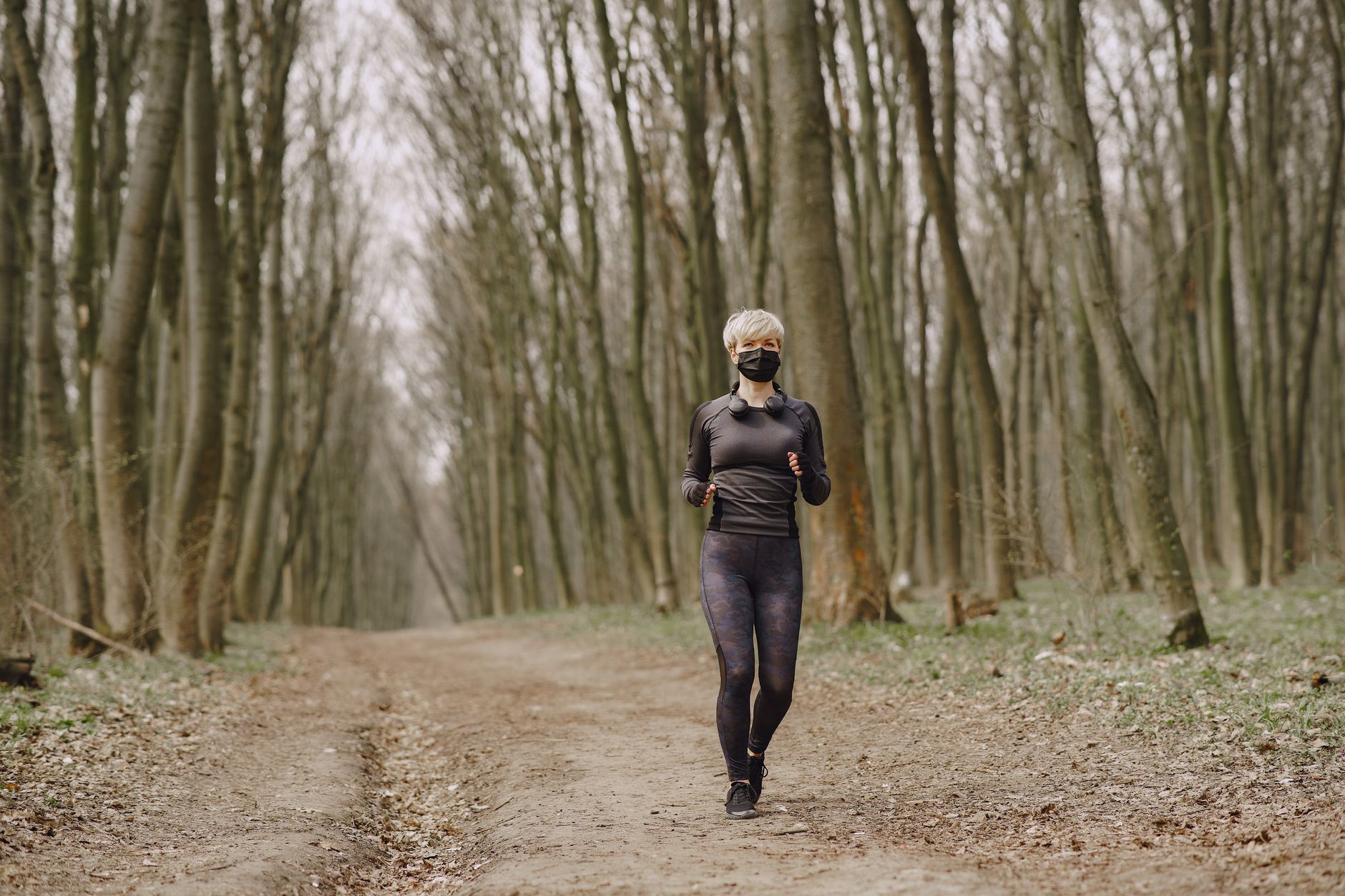
Gout is arthritis from excess uric acid forming sharp crystals in joints. Running does not cause it, but heat, dehydration and very hard efforts can trigger flares.
Attacks often start in the big toe with sudden severe pain, swelling and redness. Untreated attacks can last one to two weeks. Understanding triggers helps runners plan training without giving up movement.
Medical information disclaimer: This article is for general educational purposes only and does not provide medical advice, diagnosis, or treatment. Always consult a physician or other qualified health professional about symptoms, medications, tests, or treatment decisions.
Table of Contents
- Where does extra uric acid come from?
- Why do heat, sweat loss, and hard effort matter?
- Should you run through a gout attack?
- How can runners lower flare risk between attacks?
Where does extra uric acid come from?
Uric acid forms when the body breaks down purines. High levels build up when kidneys underexcrete it or the body makes too much. Underexcretion causes about 90% of cases, according to the Cleveland Clinic in its hyperuricemia overview.
Risk is higher in men, older adults, and people with family history. Obesity, kidney disease, and diuretic use also raise risk. These factors matter more than any single run.
Why do heat, sweat loss, and hard effort matter?
Dehydration concentrates blood urate and reduces kidney excretion. It can trigger flares, especially on hot days with heavy sweat loss. A 632-person case-crossover study found about 40% higher attack risk after hotter 48-hour periods, described in this report on the heat and gout study.
Joint injury, surgery, and excess or strenuous activity are also reported flare triggers. High-impact exercise can cause a short-term uric-acid rise. For runners, that means long hot races, back-to-back hard days, and running with an injured foot carry more risk.
Should you run through a gout attack?
No. Runners should not run through an acute flare because it can worsen pain and joint injury. Pain, swelling, and redness signal crystals irritating the joint, not ordinary soreness.
Rest the joint, drink plenty of water, and contact a clinician promptly. According to UK guidance in the NHS gout guide, patients should drink lots of water during an attack. Acute flares are treated with NSAIDs, colchicine, or steroids, while urate-lowering drugs must be taken continuously.
How can runners lower flare risk between attacks?
Maintaining healthy weight and regular moderate exercise lowers flare risk. Low-impact activity such as walking, cycling, or swimming is preferred between flares. The American College of Rheumatology conditionally recommends a weight-loss program for overweight or obese patients with gout. Food and drink choices also affect uric-acid load.
Beer and spirits, red and organ meats, certain seafood, and fructose-sweetened drinks raise load, so the 2020 American College of Rheumatology guideline conditionally recommends limiting alcohol, purines, and high-fructose corn syrup, detailed in the ACR gout guideline. Only a minority with high uric acid ever develop gout, and many flares have no clear trigger. Hydration and smarter training reduce but do not remove risk. Take urate-lowering drugs continuously when prescribed.
- Drink water before, during, and after runs, with about 2 litres per day as background intake
- Favor moderate miles in cooler hours over hot, dehydrating long efforts
- Cross-train with cycling or swimming while a joint settles
- Limit beer, spirits, organ meats, and sugary drinks around heavy training