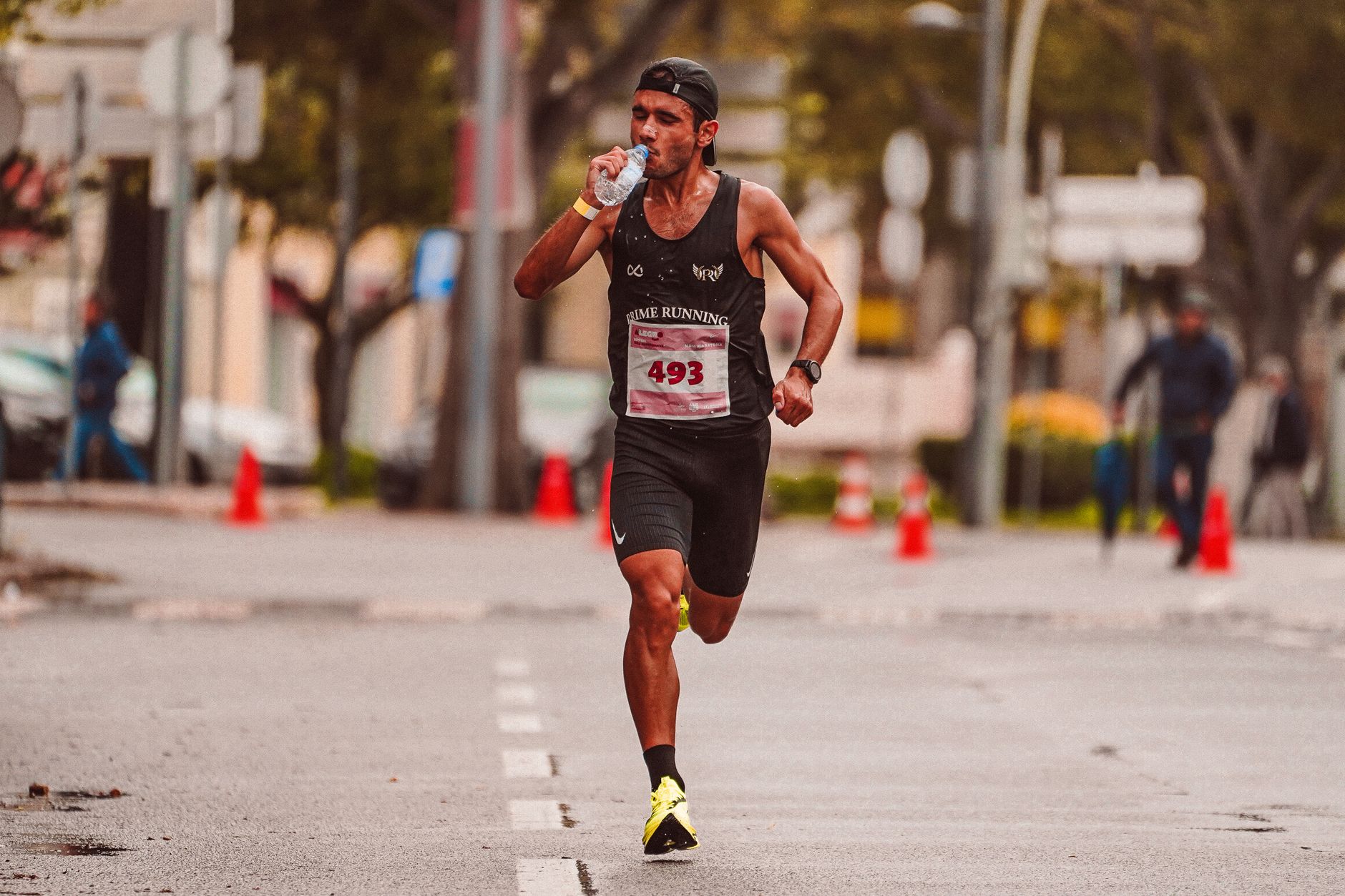
The 2026 TCS New York City Marathon is on Sunday, November 1, the same morning daylight saving time ends. Runners gain an extra hour because clocks fall back from 2 a.m. to 1 a.m., according to timeanddate's DST report.
The race expects more than 55,000 runners for the 50th anniversary of the five-borough course, according to NYRR's Learning Ally fundraising hub. That scale makes sleep planning a shared task for runners and volunteers. Adequate sleep supports accuracy, reaction time, endurance, cognitive performance and resilience, according to the Sleep Foundation.
Medical information disclaimer: This article is for general educational purposes only and does not provide medical advice, diagnosis, or treatment. Always consult a physician or other qualified health professional about symptoms, medications, tests, or treatment decisions.
Table of Contents
- What the extra hour means
- Why your wave time controls your morning
- How do you bank the extra sleep?
- What should you double-check before leaving?
What the extra hour means
Daylight saving time is the practice of moving clocks forward in spring and back in fall. The fall-back night returns New York to Eastern Standard Time. Sunrise then arrives about one clock-hour earlier, giving more morning daylight for travel and waiting.
That shift favors marathon morning. Early commutes and the start-village wait happen in more daylight, according to GeoCountries NYC sunrise data. The benefit goes mainly to runners who protect a normal bedtime and wake time.
Why your wave time controls your morning
Runners start in five staggered waves at 9:10, 9:45, 10:20, 10:55 and 11:30 a.m., according to Team World Vision's race weekend guide. Corral and wave assignment follows submitted pace. Later waves spend hours waiting at Staten Island.
A 9:10 starter needs a short wait and a steady warm-up routine. An 11:30 starter needs food, warm layers, shelter and a plan to stay off tired legs. NYRR states that start times are subject to change, so confirm your assigned wave and corral close to race week.
How do you bank the extra sleep?
Sleep physicians advise setting clocks back just before bed and waking at the regular wake time, according to the American Academy of Sleep Medicine. That approach captures one full extra hour.
It also keeps race-day wake-up aligned with training rhythm. Use a simple night-before sequence:.
- Eat an early familiar dinner and limit alcohol and late caffeine.
- Set non-phone clocks back before bed, then set one verified alarm.
- Keep the room dark, cool and quiet for a normal bedtime.
- Wake at the usual time and get daylight soon after rising.
What should you double-check before leaving?
Digital clocks and phones usually update on their own. Household, watch and car clocks may need manual resetting, according to USA Today Network reporting. A wrong clock can mean a missed ferry or bus.
Check every alarm face the night before and confirm it shows the new standard time. Keep one backup alarm on a phone that updates automatically. Lay out warm throwaway layers, food and transport cards, since later waves face a long outdoor wait.
2 thoughts on “NYC Marathon and the Clock Change: Sleep Planning for the November 1 Race Morning”
Comments are closed.