
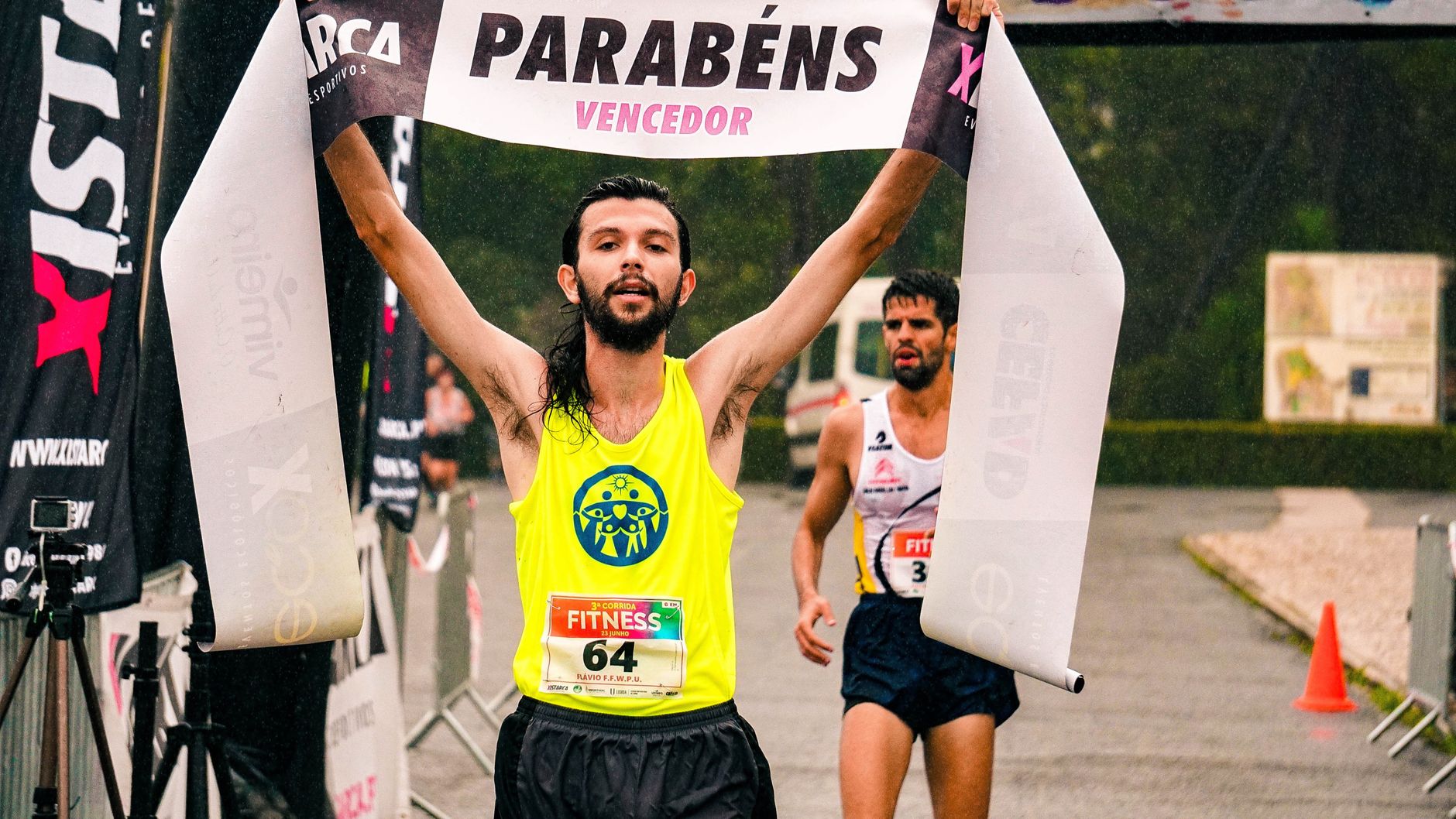
A race-day checklist for 5K, 10K, and half marathon runners covers familiar food, planned fluids, steady pacing, and a simple warm-up. Shorter races need only normal meals and water, while half marathons need timed carbohydrates and fluids. Glycogen, the carbohydrate stored in muscle, fuels harder efforts. The plan below matches intake and pacing to how long you will run.
Medical information disclaimer: This article is for general educational purposes only and does not provide medical advice, diagnosis, or treatment. Always consult a physician or other qualified health professional about symptoms, medications, tests, or treatment decisions.
Table of Contents
- What should you eat before each distance?
- Do you need fuel and water during the race?
- How should you adjust for heat?
- How do you warm up, sleep, and avoid surprises?
What should you eat before each distance?
Half-marathon runners should eat a familiar low-fiber breakfast with at least 100g carbohydrate 3 to 4 hours before the start. The FuelTheCore Half Marathon Nutrition Guide sets that amount to top off stored fuel without upsetting the gut detailed half-marathon nutrition guide. Choose foods you have tested, such as white toast, banana, and juice.
Runners in 5K and most 10K events need only normal meals with familiar carbs. They do not need a formal carb-load. Only races of about 75 minutes or more benefit from 2 to 3 days of carb-loading at roughly 7 to 12g carbohydrate per kg body weight per day, according to Canadian Running Magazine carb-loading fact check. That plan favors low-fiber foods like white rice and pasta.
Do you need fuel and water during the race?
During races lasting 1 to 2.5 hours, runners should target 30 to 60g carbohydrate per hour, or 1 to 2 gels. Sports dietitian guidance via The Feed recommends the first gel after 45 to 60 minutes, when stored glycogen runs low. Shorter and faster 5K efforts need no in-race fuel. Longer runners should drink to thirst, about 400 to 800 mL per hour.
The USA Track and Field and International Marathon Medical Directors Association guidelines, summarized in Archives of Pathology and Laboratory Medicine, advise replacing about 100% of sweat losses measured in training marathon medical care guidelines. Hyponatremia, or low blood sodium from excess water, comes from overdrinking, while dehydration comes from drinking too little. Practice your fluid rate on long runs. Weigh yourself before and after to estimate hourly sweat loss. Then use that number to set aid-station stops.
How should you adjust for heat?
All athletes in heat should drink more water than usual without waiting for thirst. The CDC Heat and Athletes page also advises starting slow and increasing pace gradually CDC Heat and Athletes guidance. Bright sun, high humidity, and still air raise risk fast.
Treat muscle cramping as an early warning. Stop running, move to shade, cool the skin, and rehydrate. Resume only after cramps ease and body temperature feels controlled.
How do you warm up, sleep, and avoid surprises?
Favor dynamic stretching and easy jogging over prolonged static stretching. An Applied Sciences systematic review with meta-analysis found dynamic stretching improved jump and explosive performance, while static stretching reduced it, though both improved range of motion. Keep the jog easy for 5 to 10 minutes, then add leg swings and strides. Prioritize 7 to 9 hours of sleep across race week, not only the night before.
A Sleep Foundation summary reports that 26 hours of wakefulness cut attention 14% and reaction time 15.3% and worsened 3-km performance in young recreational runners. A steady bedtime, dark room, and morning light help protect that window. Sweat rate, gut tolerance, and weather vary widely, so test details in training. Coopah training resources advise using nothing new on race day and starting well-hydrated but not overhydrated. Lay out those items the night before and eat only the tested breakfast.
- breakfast, gels, and fluids tested on long runs
- shoes, socks, bib, and fuel belt worn before
- pace plan for heat, hills, and aid stations