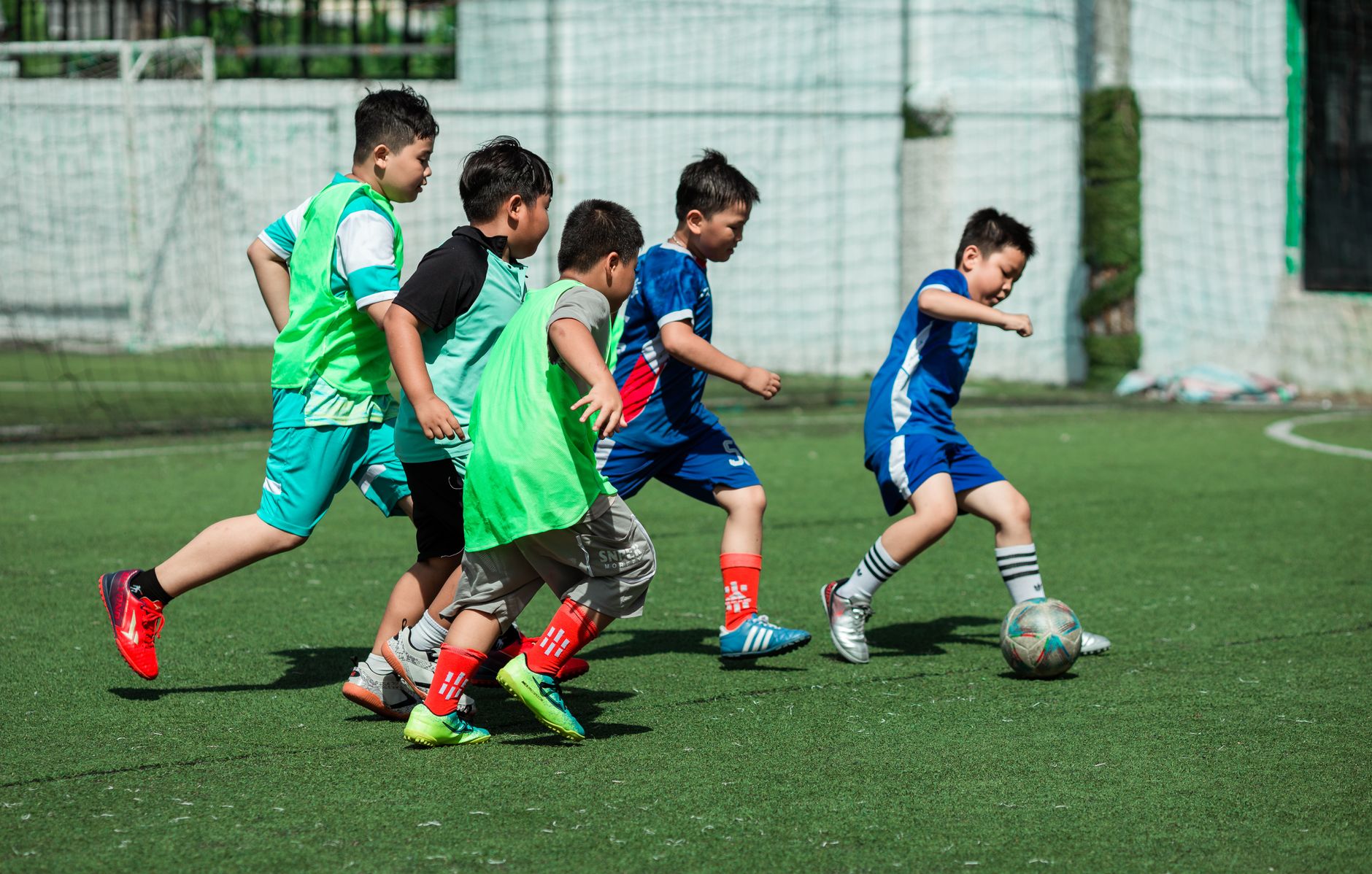
Junior running, meaning running by children ages 6-17, builds fitness, lower body fat, stronger bones, and better blood pressure, blood-sugar control, and brain health compared with being inactive. Compared with adults, juniors use more energy at the same pace and face higher overuse-injury risk when training load rises quickly. This guide compares benefits, effort, and injury risk for school-age runners. Use it to set pace, track effort, and plan rest.
Medical information disclaimer: This article is for general educational purposes only and does not provide medical advice, diagnosis, or treatment. Always consult a physician or other qualified health professional about symptoms, medications, tests, or treatment decisions.
Table of Contents
- What benefits can juniors expect?
- Why does the same pace feel harder for kids?
- How can juniors track effort?
- When does injury risk climb?
- What does a safer week look like?
What benefits can juniors expect?
According to federal activity guidance from the CDC, children ages 6-17 need 60 or more minutes daily of moderate-to-vigorous activity. Running counts as vigorous aerobic activity. It also counts as bone-strengthening activity, needed at least 3 days per week.
The CDC, summarizing the HHS Physical Activity Guidelines, links active youth with higher fitness and lower body fat. Benefits also include stronger bones, healthier blood pressure, better blood-sugar control, and better brain health and school performance. For juniors, short active runs beat long inactive days.
Why does the same pace feel harder for kids?
A Pediatric Exercise Science review found children use substantially more oxygen per body mass than adults at the same speed. Boys ages 9-10 used 24 percent more at 9.6 km/h. The same pace costs a child more effort.
Economy improves toward adult levels with growth. A 9-year-old may breathe hard while an adult jogs easily beside them. Judge junior pace by the child, not the adult watch.
How can juniors track effort?
The pictorial Children's OMNI Scale of Perceived Exertion was tested in ages 6-13 during graded walking and running. Developer Utter and colleagues found scores track objective physiological intensity. It can guide junior effort checks without a monitor.
Teach the faces before the run, then ask mid-run. A smiling-face pace should allow short sentences. Move to an easier pace when the child points two steps higher than planned.
When does injury risk climb?
Young bones tolerate less repetitive stress than mature adult bones, the American Academy of Pediatrics reports. About half of pediatric sports-medicine injuries come from overuse without enough healing time. In adolescent runners, a systematic review in Healthcare points to growing-bone stress injuries, tendinopathies, and hip growth-plate fractures around age 14.
Risk rises with load. The Youth Running Consensus Statement in the British Journal of Sports Medicine followed 110 elite youth runners ages 13-17 for 12 months. Those in the top two training-load quartiles had almost twice the overuse-injury risk, with hazard ratios of 1.76 and 1.81, versus the lowest quartile.
What does a safer week look like?
The American Medical Society for Sports Medicine position statement finds no consensus on safe starting age, mileage, or intensity for youth. Prevention works best as individualized progression.
Growth spurts need closer load checks because bones and soft tissue are more vulnerable. Build the week around recovery and variety, not a mileage target.
- Keep at least one full rest day each week
- Avoid single-sport running for more than 8 months per year
- Raise time, distance, or speed in small steps with easy days between
- Cut back and check form, pain, and limping during a growth spurt
1 thought on “Junior Running Comparison Guide: Benefits, Effort, and Injury Risk”
Comments are closed.