
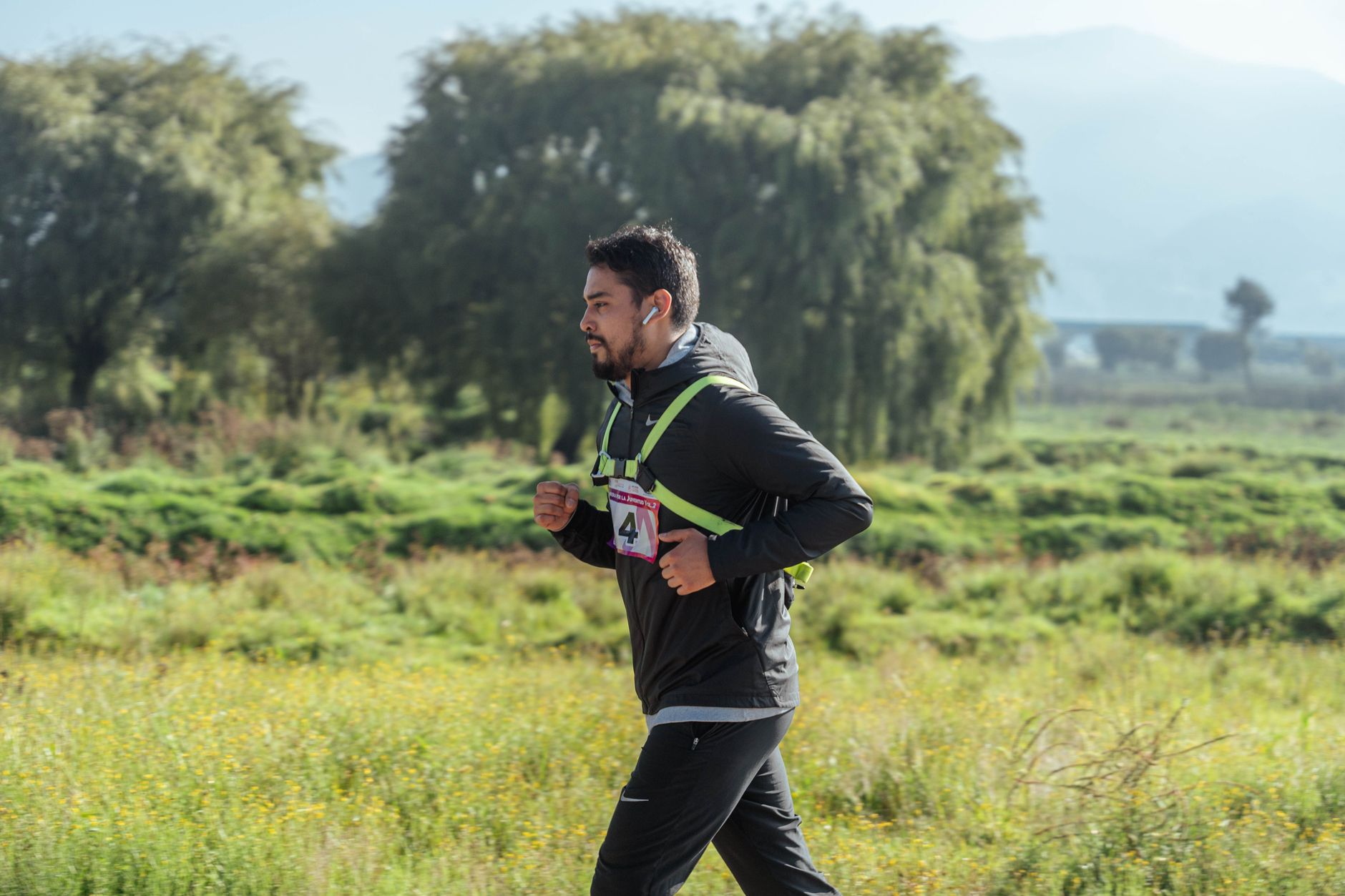
A balaclava running plan for 2026 uses a close-fitting hood that covers the head, ears, cheeks and neck to retain heat, protect airways and extend safe winter training. Training centers on layered clothing and steady pacing, recovery centers on prompt rewarming and hydration, and safety centers on wind, visibility and cold-injury signs. A balaclava is most useful when wind, low temperature or sensitive airways make exposed skin and direct cold-air breathing uncomfortable. It does not replace fitness judgment, weather checks or medical guidance for asthma and circulation problems.
Medical information disclaimer: This article is for general educational purposes only and does not provide medical advice, diagnosis, or treatment. Always consult a physician or other qualified health professional about symptoms, medications, tests, or treatment decisions.
Table of Contents
- How should you dress to train in a balaclava?
- Why cover your mouth and nose?
- When does cold become dangerous?
- How should you recover after a cold run?
- How do you stay visible on dark winter roads?
How should you dress to train in a balaclava?
Wear multiple wool or fleece layers and keep cotton away from skin because it stays wet and cold. According to Mayo Clinic Press, runners should remove a layer as they warm to limit sweat-chill, described in winter exercise safety guidance. Start with a dry base layer, add insulation, then add a wind-resistant shell.
Pull the balaclava over nose and mouth during the coldest stretches, then lower it if heat and moisture build up. Pair it with gloves, warm socks, hat coverage underneath when needed, and shoes with grip for ice. Change out of sweaty clothes promptly after the run to avoid rapid cooling.
Why cover your mouth and nose?
Covering nose and mouth with a balaclava, scarf or gaiter warms and humidifies inhaled air. Breathing through the nose rather than the mouth further reduces cold-air airway irritation. This matters most on windy days, during faster intervals and for runners prone to cough or chest tightness.
Cold air still triggers asthma. Runners with asthma should carry quick-relief medication, consider using it before outdoor exercise, and avoid outdoor runs when air quality is poor or pollen is high. Choose sheltered routes, shorten intervals and move workouts indoors when breathing feels strained.
When does cold become dangerous?
Wind dramatically shortens safe exposure. According to the U.S. National Weather Service wind chill chart, at 0°F with 15 mph wind the wind chill is -19°F and exposed skin including nose and cheeks can develop frostbite in about 30 minutes, shown in the wind chill chart. Check forecast temperature, wind and ice before leaving, start slow and plan a shorter loop.
Watch for frostbite on the nose, ears, cheeks, chin, fingers and toes. According to the U.S. CDC, signs include white or grayish-yellow, firm or waxy, numb skin, while hypothermia brings shivering, confusion, slurred speech and drowsiness and is a medical emergency, listed in frostbite recognition guidance. Warning signs to act on fast:.
- White, pale, waxy or numb nose, ears, cheeks, fingers or toes
- Redness with pain, stinging or loss of feeling
- Hard shivering, clumsiness, confusion, slurred speech or drowsiness
How should you recover after a cold run?
Get out of the cold immediately at first redness, pain or numbness. According to Mayo Clinic News Network, go indoors, remove wet clothing and slowly warm affected skin with dry layers or warm-to-touch water, seeking medical care promptly, explained in cold-weather exercise safety Q&A. Do not rub numb skin, use very hot water or ignore symptoms that persist after rewarming.
Drink water before, during and after runs because winter thirst is blunted while breathing still loses water. Eat, dry off, warm the core first, then check fingers, toes, ears and nose. Seek urgent care for spreading numbness, blisters, confusion or extreme sleepiness.
How do you stay visible on dark winter roads?
Winter runners face low-light traffic risk and shorter daylight. Wear bright and reflective clothing plus lights or a reflective vest, especially on shoulders, chest, back and moving limbs. Run facing traffic where local rules allow, choose lit streets or paths and avoid icy shoulders.
Tell someone your route and expected return time. Carry a phone, keep volume low enough to hear cars and shorten stride on ice. If roads are slick, wind is rising or visibility is poor, cut the run short.