
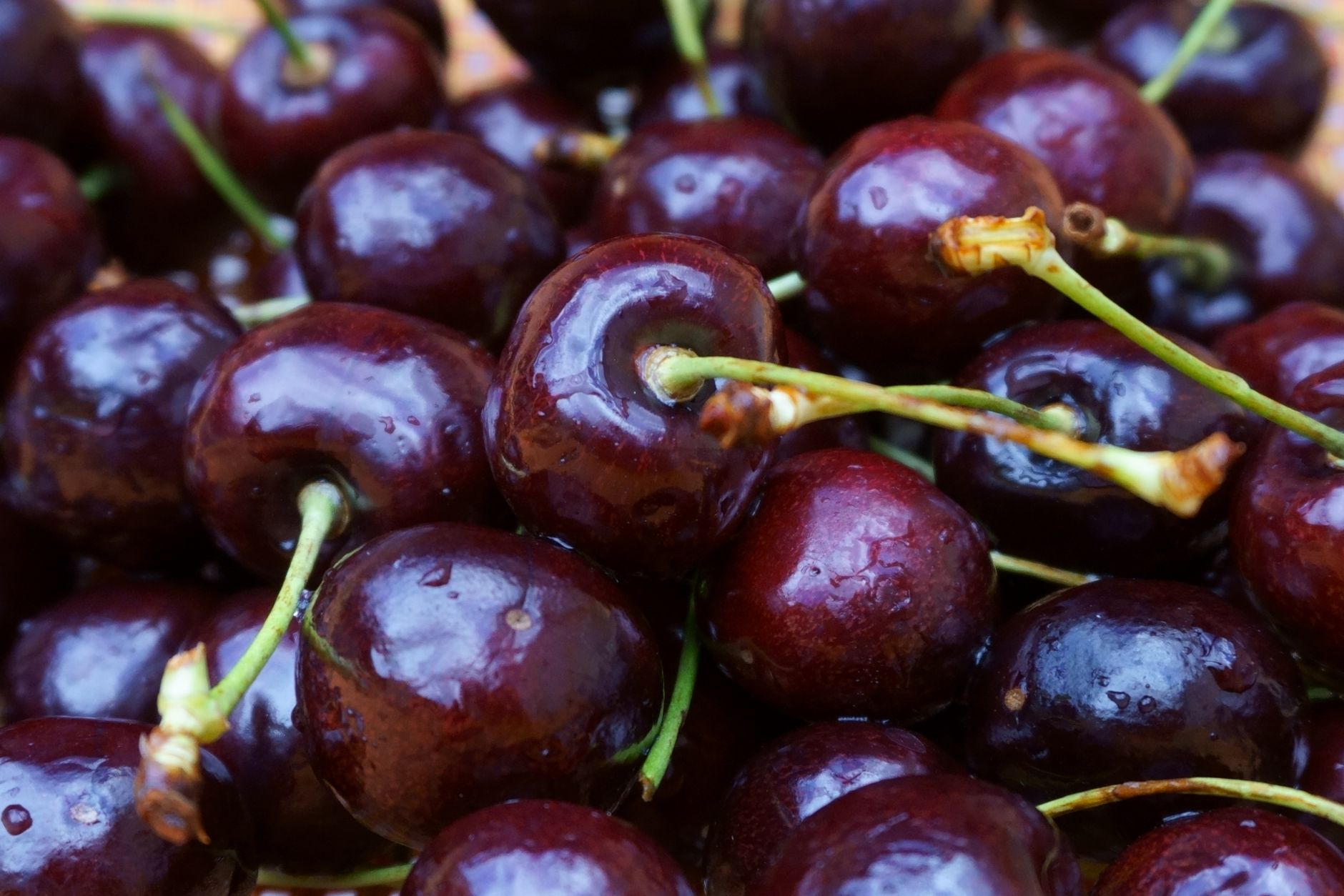
Tart cherry juice, the sour red juice often made from Montmorency cherries, works for runners as a recovery aid rather than a same-day pace booster. Its purpose is lower soreness, faster return of leg strength, and steadier next-day effort. It fits runners handling marathons, relays, downhill sessions, or hard training blocks. It does not replace fluids, fuel, or sleep habits.
Medical information disclaimer: This article is for general educational purposes only and does not provide medical advice, diagnosis, or treatment. Always consult a physician or other qualified health professional about symptoms, medications, tests, or treatment decisions.
Table of Contents
- Will it make you faster?
- How do effort and soreness change?
- Can it help sleep during training?
- What are the sugar and stomach trade-offs?
- When is it worth using?
Will it make you faster?
A pooled analysis of 10 studies of runners, cyclists, and triathletes found tart cherry concentrate taken before exercise improved endurance performance. The Journal of the American College of Nutrition reported a small-to-moderate effect, SMD 0.36, in the 2020 pooled analysis in the Journal of the American College of Nutrition. Protocols ranged from seven days of use to intake 1.5 hours before exercise.
Do not expect a same-day time-trial boost. A direct comparison with sports drink found no change in 10-km time, perceived exertion, oxygen use, lactate, fuel use, or soreness. That result comes from the 2024 PLOS ONE cycling comparison with a sports drink.
How do effort and soreness change?
Pain rose less for Hood to Coast relay runners using tart cherry juice for seven days before plus race day. The Journal of the International Society of Sports Nutrition trial reported about 12 mm versus 37 mm on a pain scale. Recreational London Marathon runners regained knee-extension strength faster with tart cherry blend taken twice daily for five days before, race day, and 48 hours after.
The Scandinavian Journal of Medicine & Science in Sports paper by Howatson and colleagues also reported lower IL-6, CRP, oxidative stress, and higher antioxidant status. After 30 minutes of downhill running, adults drinking anthocyanin-rich juice recovered running economy, muscle function, soreness, and creatine-kinase markers faster than placebo. The Nutrients downhill-running trial linked that pattern to easier subsequent easy running.
Can it help sleep during training?
Studied sleep protocols use about 8-12 oz of Montmorency juice or 1 oz of concentrate twice daily. Doses are taken in the morning and 30-60 minutes before bed. The juice supplies melatonin, tryptophan, and anthocyanins.
One clinical summary reported up to 84 minutes longer sleep versus placebo. The dose summary comes from a European Journal of Nutrition study described by Traverse Bay Farms. Better sleep can make morning miles feel more manageable.
What are the sugar and stomach trade-offs?
Two glasses add about 280 calories and over 60 g of fruit sugar. USDA figures list about 27 g sugar per cup before added sugars, plus sorbitol that can cause cramps or diarrhea. That caution appears in WebMD guidance on tart cherry juice.
Runners with sensitive stomachs should test it on easy training days first. Avoid starting a new twice-daily routine right before a goal race. Check labels for added sugar.
When is it worth using?
Use it around events that cause lasting soreness: marathons, stage relays, hilly races, and downhill workouts. Skip it as a pre-race caffeine-style kick for a 5K or 10K. Buy a small bottle first and log soreness, sleep, and stomach response for three nights.
- Pick a hard block or race week, not every run.
- Use juice or concentrate for several days before and one to two days after.
- Keep the evening dose 30-60 minutes before bed.
- Stop early if cramps, bloating, or diarrhea appear.