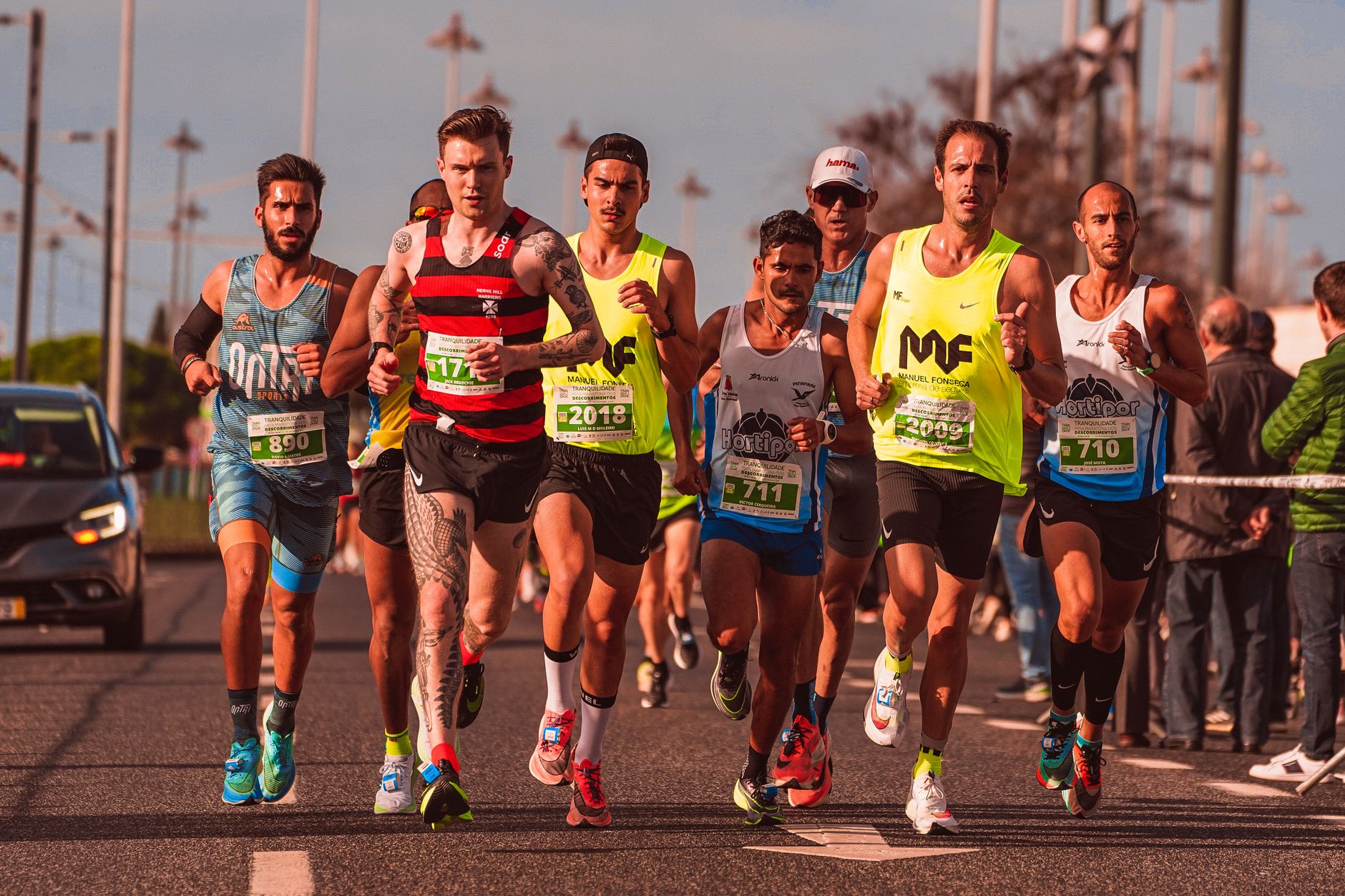
This 2026 running-group guide shows how to train steadily, recover fully, and lower heat and road risks. A running group is a regular meeting of runners who share routes, paces, and safety tasks. Use it to divide aerobic minutes, add strength, and set clear rules for fluids, sleep, and night visibility. The same core fits small buddy groups and large clubs.
Medical information disclaimer: This article is for general educational purposes only and does not provide medical advice, diagnosis, or treatment. Always consult a physician or other qualified health professional about symptoms, medications, tests, or treatment decisions.
Table of Contents
- How should we split the running week?
- What strength work helps runners?
- How should we manage fluids and sleep?
- What is the heat-illness plan?
- How do we stay visible after dark?
How should we split the running week?
HHS Office of Disease Prevention and Health Promotion sets the target at 150-300 moderate minutes or 75-150 vigorous minutes, per the federal activity guidelines. It also calls for muscle-strengthening on 2 or more days. Running groups can split that total into progressive runs across the week.
Most runners mix two to three shorter runs with one longer run. Keep early weeks conversational, with walk breaks as needed. Add distance to only one run per week. Pair beginners with a matched pace leader so no one chases too much too soon.
What strength work helps runners?
The American College of Sports Medicine, in its first resistance-training update in 17 years, found consistent twice-weekly training of major muscle groups builds strength, size, and function, per the new resistance-training guidelines. Running groups should add two full-body sessions with power and balance work. Schedule them on non-consecutive days, separate from hard runs when possible.
Keep sessions short and repeatable rather than exhausting. A useful pair is squat, hinge, push, pull, carry, plus single-leg balance and quick hops. Use body weight, bands, or dumbbells with strict form. Stop a set when speed or posture breaks down.
How should we manage fluids and sleep?
ACSM fluid-replacement guidance directs runners in efforts over one hour to drink to thirst, about 0.4-0.8 L per hour, and avoid losing more than 2% of body mass. That rule guards against both dehydration and hyponatremia from overdrinking. Plan aid points for long group runs. Weigh before and after key sessions to learn personal sweat losses.
Adjust drink stops, shade breaks, and pace for heat and humidity. CDC sleep guidance says adults 18-60 need 7 or more hours nightly for tissue repair, hormone balance, and lower injury risk. Runners in heavy training often need 8-9 hours for 3-4 nights after long races. Protect bedtime after weekends, Sunday long runs, and race days.
What is the heat-illness plan?
The National Athletic Trainers' Association states exertional heat stroke is 100% survivable when recognized promptly and cooled whole-body in ice water within 30 minutes of collapse, per the heat-readiness statement. Groups must call EMS, immerse or douse, and not delay cooling for measurements.
Assign roles before summer runs. Know where ice, water, shade, and vehicle access sit on each route. Shorten loops, slow pace, and add rest when heat rises.
- Watch for confusion, collapse, hot skin, vomiting, or停止: stop the run and call EMS.
- Immerse the torso in ice water or douse continuously with cold water.
- Cool first, measure later, and stay with the runner until help arrives.
How do we stay visible after dark?
CDC pedestrian guidance says walkers and runners should wear reflective clothing, use designated crosswalks, and raise conspicuity after dark. Make visibility part of the group uniform, not an option.
NHTSA research finds pedestrians in retroreflective material marking body shape and moving wrists and ankles, plus flashing lights, are seen hundreds of feet farther under low beams than in ordinary clothing, per the NHTSA pedestrian visibility findings. Night groups gain the most from motion cues. Face traffic, stay single file, and keep wrist, ankle, and flashing lights on for every dark run.
- Wear a reflective vest plus reflective wrist and ankle bands.
- Carry a white front light and red rear flashing light.
- Run facing traffic in single file and cross only at marked crosswalks.
1 thought on “Running Group Guide 2026: Training, Recovery, and Safety”
Comments are closed.