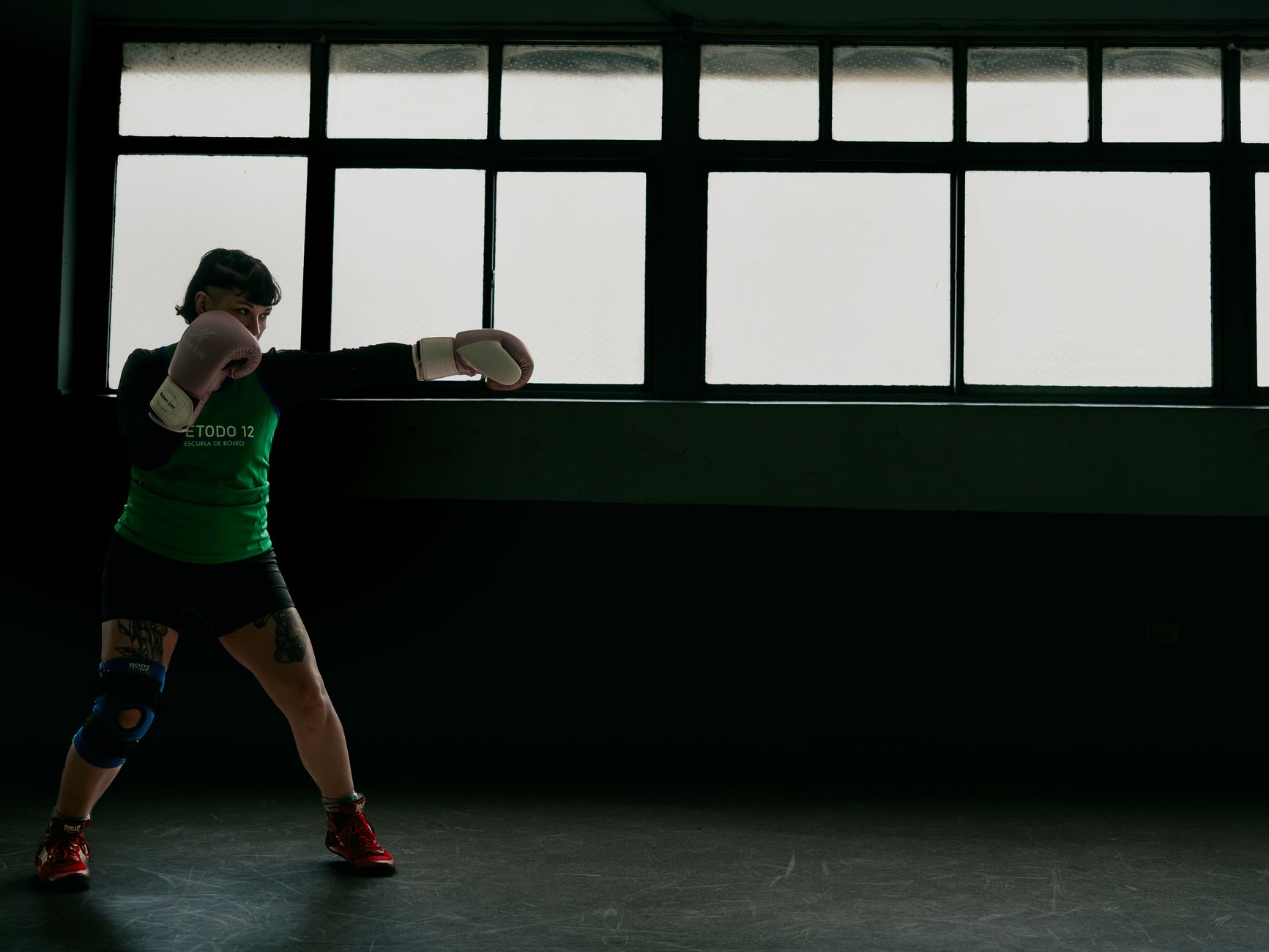
You can run in a knee brace, but pace, distance, and recovery depend on fit, fatigue, and injury stage. A knee brace is a support worn around the knee that limits unwanted motion while you train and heal. Expect small trade-offs rather than a simple yes or no. Speed may dip, tired legs may feel steadier, and post-surgery healing still follows strength and time rules.
Medical information disclaimer: This article is for general educational purposes only and does not provide medical advice, diagnosis, or treatment. Always consult a physician or other qualified health professional about symptoms, medications, tests, or treatment decisions.
Table of Contents
- Will a brace slow your pace?
- Does a brace steady the knee when tired?
- Does bracing help after ACL surgery?
- When can you run again after ACL reconstruction?
- How should you handle runner's knee?
Will a brace slow your pace?
Protection does not always cost function. PLOS ONE reported no significant loss of knee performance with a prophylactic brace and two neoprene sleeves in healthy male athletes, according to the 2012 PLOS ONE crossover trial. That finding covers controlled knee performance, not race speed.
Sprint testing tells a narrower speed story. A University of North Carolina Greensboro agility study found braced runners were slower on a 40-yard dash. Experienced wearers lost mainly forward speed, while novice wearers lost forward, backward, and agility performance.
Does a brace steady the knee when tired?
Fatigue changes knee control, especially after prior injury. Late in a run, the joint can drift side to side as muscles tire. That frontal-plane wobble raises strain and hurts confidence on turns and uneven ground.
A soft support helped in that tired state. Bioengineering reported in 2025 that a soft knee support significantly reduced maximal mediolateral knee acceleration after fatiguing exercise in people with prior knee injury. Less side-to-side acceleration means steadier control when you need it most.
Does bracing help after ACL surgery?
A brace does not replace rehabilitation after ACL surgery. A randomized study reported by ScienceDaily found wearing a knee brace after ACL surgery had no effect on recovery. Physical therapy, not bracing, drove the outcome.
Bracing may even slow return of normal mechanics. A 2026 running and drop-jump analysis in the ESSKA journal Knee Surgery, Sports Traumatology, Arthroscopy found post-reconstruction bracing left a knee-extension deficit during push-off at 6 months, according to the 2026 ESSKA running analysis. That delay mattered because push-off needs full extension for normal joint loading.
When can you run again after ACL reconstruction?
Time alone does not clear you to run. Most return-to-running programs after ACL reconstruction require both time and strength before clearance. The common time mark is a median of 12 weeks.
Strength symmetry is the second gate. The British Journal of Sports Medicine scoping review found programs commonly require quadriceps limb-symmetry above 80%, according to the 2018 British Journal of Sports Medicine review. Ask your clinician to test quad strength, then match distance to the clearance you actually meet.
How should you handle runner's knee?
Runner's knee means pain around the kneecap that worsens with running, stairs, or long sitting. Clinicians advise pausing pain-causing running rather than pushing through with a brace alone.
Rest calms irritation so rehab can work. Nemours KidsHealth guidance recommends icing about 20 minutes every 3 to 4 hours for a few days, then rebuilding hip and thigh strength and load gradually. Use this order: Quit the run and walk if sharp pain returns.
- Stop runs that cause pain, keep walking if it stays pain-free
- Ice on schedule for a few days
- Add hip and thigh strength, then raise distance in small steps