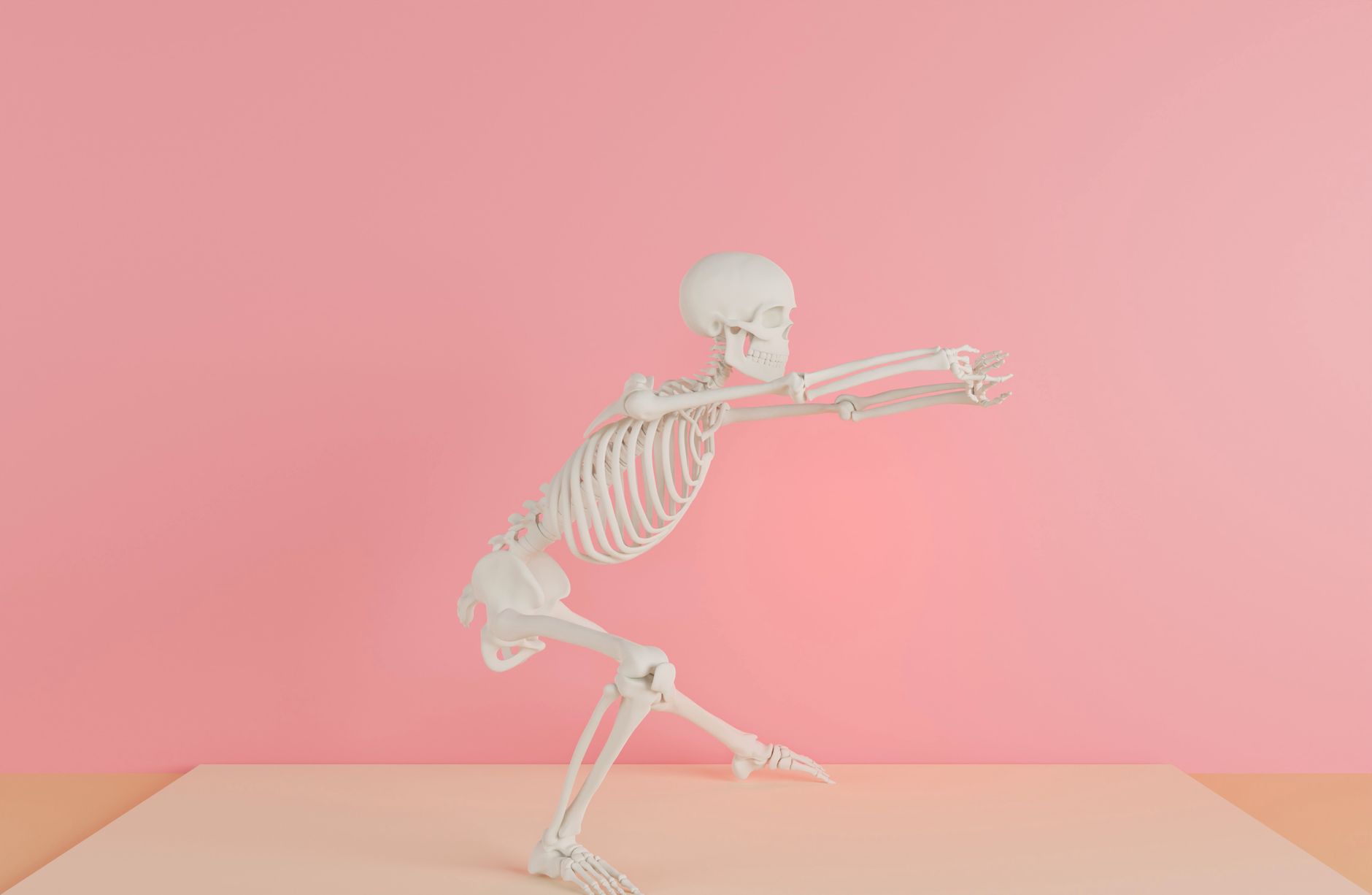
A bone-density running checklist means supportive, rotated shoes, water plus sodium with enough calcium and vitamin D, strength sessions, and gradual mileage with rest. Bone density is the mineral content that keeps bones stiff and resistant to fracture. Running loads bones against gravity and stimulates new bone deposition. Running alone builds less bone than running paired with resistance exercise and steady fueling.
Medical information disclaimer: This article is for general educational purposes only and does not provide medical advice, diagnosis, or treatment. Always consult a physician or other qualified health professional about symptoms, medications, tests, or treatment decisions.
Table of Contents
- Why running plus strength builds more bone
- What gear choice changes for bones
- How should you hydrate and fuel bones
- How do you progress without overloading bone
Why running plus strength builds more bone
Weight-bearing activity places bone under load and signals new bone formation. NIH identifies jogging, stair climbing, hiking, tennis and dancing as best bone-building exercises for adults and older adults in the NIH exercise guide. A 2022 peer-reviewed meta-analysis found resistance training combined with high-impact weight-bearing activity improved femoral-neck and spine bone mineral density more than either approach alone, described in the 2022 meta-analysis.
Muscle contractions load bone directly, not just impact. The Bone Health and Osteoporosis Foundation advises combining regular weight-bearing activity with muscle-strengthening activity 2-3 days per week. Improved strength and balance also reduce fall and fracture risk.
What gear choice changes for bones
Maximal-cushioned running shoes attenuated tibial strain and calculated stress-fracture probability compared with minimal footwear in a modeling study of runners. The finding comes from finite-element and probabilistic modeling, not a trial showing fewer fractures. No specific footwear has been shown to prevent bone stress injuries in runners.
Alternating more than one pair of shoes was associated with lower injury risk than relying on one pair. That pattern suggests load variation matters more than any single shoe. Runners can rotate two different pairs, replace worn foam, and seek fit advice for comfort and mechanics.
How should you hydrate and fuel bones
Sweat is mostly water plus sodium, potassium, calcium and magnesium. Long runs therefore require water plus sodium replacement, because dehydration reduces blood volume and delivery of oxygen and nutrients to muscle and bone-supporting tissue. Adults ages 19-50 need about 1,000 mg calcium daily and 600 IU/15 mcg vitamin D daily, rising to 1,200 mg calcium and 800 IU vitamin D at older ages, according to NIH Office of Dietary Supplements in the May 2024 Scoop.
Vitamin D is required to absorb dietary calcium for bone mineralization. Prolonged heavy sweating can lower blood calcium and raise parathyroid hormone, which breaks down bone to restore calcium. GSSI notes this is mainly a concern for high-volume, prolonged endurance exercise, and a 1,000 mg calcium meal or calcium-rich drink before sessions blunts the response.
How do you progress without overloading bone
Chronically eating too little for training demands causes Relative Energy Deficiency in Sport. That state impairs bone formation, menstrual and hormonal function, and raises stress-fracture risk in both female and male endurance runners.
Restart at 30-50% of prior pace or volume after bone injury and build over 3-6 weeks. Rapid mileage or intensity jumps increase bone microdamage accumulation, and there is no strong evidence for a strict 10%-per-week rule.
- Eat enough for training load every day, not only on long-run days.
- Schedule muscle-strengthening work 2-3 days per week.
- Rotate shoes and keep rest days in the weekly plan.
- Raise mileage or intensity in small steps and hold back when pain lingers.