You cough for an hour after running in cold air because the rapid breathing of cold, dry air during exercise irritates and inflames your airways, triggering a protective reflex called exercise-induced bronchoconstriction (EIB). This condition develops when cold air bypasses your nose's natural warming and humidifying system and reaches your lungs directly, drying out the delicate airway tissues and causing them to tighten. While the cough can feel alarming, it's a normal response in many runners and typically fades within an hour as your airways rewarm. Understanding what happens inside your lungs—and how to prevent it—can help you keep running comfortably through winter.
Medical information disclaimer: This article is for general educational purposes only and does not provide medical advice, diagnosis, or treatment. Always consult a physician or other qualified health professional about symptoms, medications, tests, or treatment decisions.
Table of Contents
- How Cold Air Irritates Your Airways
- Why Dryness Matters as Much as Temperature
- When the Cough Stops
- Who Gets Cold-Air Cough
- How to Reduce or Prevent Cold-Air Cough
- When to Seek Medical Help
- Frequently Asked Questions
How Cold Air Irritates Your Airways
When you run outdoors in cold weather, you breathe through your mouth to take in more oxygen quickly. Cold air contains significantly less moisture than warm air, and mouth-breathing during intense running bypasses the nose's natural warming and humidifying function, allowing cold, dry air to reach your lower airways directly. As your airways lose moisture, the surface cells become hyperosmolar—meaning the salt concentration spikes—and this irritation triggers sensory nerves to fire, signaling your body to cough.
The inflammation goes deeper than just irritation. Airway dehydration triggers mast cells to release inflammatory mediators—histamine, leukotrienes, and prostaglandins—that contract airway smooth muscle and narrow the passages, creating chest tightness alongside the cough. This is your lungs' protective response to perceived threat, though the narrowing itself contributes to the sensation of difficulty breathing.
Why Dryness Matters as Much as Temperature
Most runners assume the cold is the culprit, but research shows something surprising: airway dryness is actually a stronger trigger than temperature alone for exercise-induced asthma at non-freezing temperatures, meaning humidity matters as much as cold. You can experience the same symptoms in a dry, heated indoor facility during winter or at moderate temperatures if the air is parched. Sub-zero temperatures substantially increase airway symptoms during exercise, but the underlying trigger is moisture loss, not just cold itself.
This distinction matters for prevention. If you cough after running in both cold and warm dry conditions, humidity is likely your primary issue. If symptoms only appear below freezing, temperature plays a larger role.
When the Cough Stops
The cough and other symptoms—shortness of breath, wheezing, chest tightness—don't linger indefinitely. Symptoms typically peak 5–10 minutes after exercise ends and resolve within 30–60 minutes in most cases, as your airways gradually rewarm and rehydrate.
The protective reflex gradually subsides as normal airway function returns. An hour-long cough usually falls within this normal recovery window. However, if coughing persists beyond two hours, worsens over time, or happens on every cold run without relief, consult a doctor—you may have underlying asthma or airway hyperresponsiveness that needs medical attention.
Who Gets Cold-Air Cough
This reaction isn't rare. Exercise-induced bronchoconstriction affects 8–23% of athletes and 46% of people with asthma, but also occurs in non-athletes during intense cold-weather activity.
Asthma, allergies, and history of airway infections increase your risk, but anyone can experience EIB if the conditions are severe enough. Even elite athletes training repeatedly in cold climates show heightened cough sensitivity during winter months, suggesting that familiarity doesn't eliminate the response entirely.
How to Reduce or Prevent Cold-Air Cough
Practical steps to reduce coughing on cold runs:.
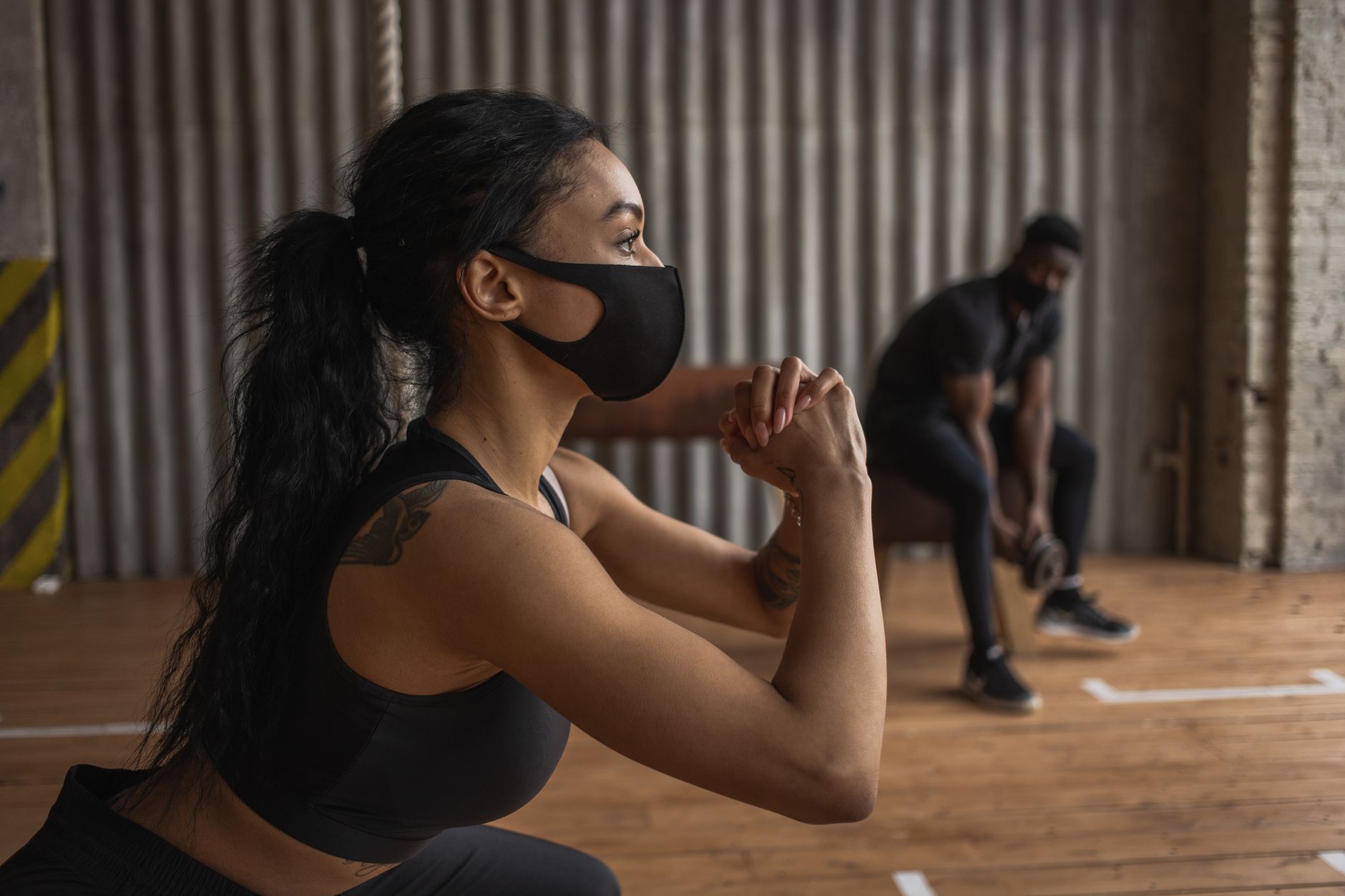
- **Wear a breathing mask or moisture-exchanging device.** These significantly attenuate acute airway responses by pre-warming and humidifying inspired air before it reaches the sensitive lower airways. A simple cloth or neoprene mask works—you don't need an athletic-grade product.
- **Warm up indoors first.** Start your run with 5–10 minutes of moderate movement inside to prime your airways before stepping into cold air.
- **Breathe through your nose.** Nasal breathing naturally warms and humidifies air. It's slower, but nasal breathing during the first few minutes of a cold run can blunt the response.
- **Run at slower intensity initially.** Lower intensity means less hyperventilation, giving your airways time to adjust. Increase pace gradually once your body has adapted.
- **Stay hydrated.** Proper hydration supports airway mucus production and may reduce irritation.
When to Seek Medical Help
If you cough after cold-weather running, you can usually manage it yourself. But see a doctor if coughing persists beyond recovery time, worsens with each run, restricts your exercise, or is accompanied by wheezing and chest tightness that doesn't resolve within an hour. You may have exercise-induced asthma requiring treatment, which is treatable—many athletes use short-acting bronchodilators (rescue inhalers) before cold runs to prevent or reduce symptoms entirely.
Frequently Asked Questions
Is cold-air cough the same as asthma?
Not always. Cold-air cough is a normal response in anyone, but people with asthma experience it more severely. If you only cough during cold runs and not during warm-weather exercise, you likely have exercise-induced bronchoconstriction triggered by cold air, not chronic asthma.
Can I run through the cough?
Yes, in most cases. The cough itself is not harmful. However, if running causes severe wheezing, chest pain, or breathlessness that restricts your activity, stop and consult a doctor.
Does the cough go away if I run in cold air more often?
Not completely. Elite athletes training repeatedly in cold climates still show heightened cough sensitivity during winter, though some adaptation may occur. Prevention methods are more reliable than hoping for acclimation.
Should I use an inhaler before running in cold air?
Only if prescribed by a doctor. If you have a diagnosis of exercise-induced asthma, your doctor may recommend using a short-acting bronchodilator 15 minutes before exercise. Over-the-counter inhalers are not appropriate without medical guidance.
1 thought on “Why Do I Cough for an Hour After Running in Cold Air?”
Comments are closed.