
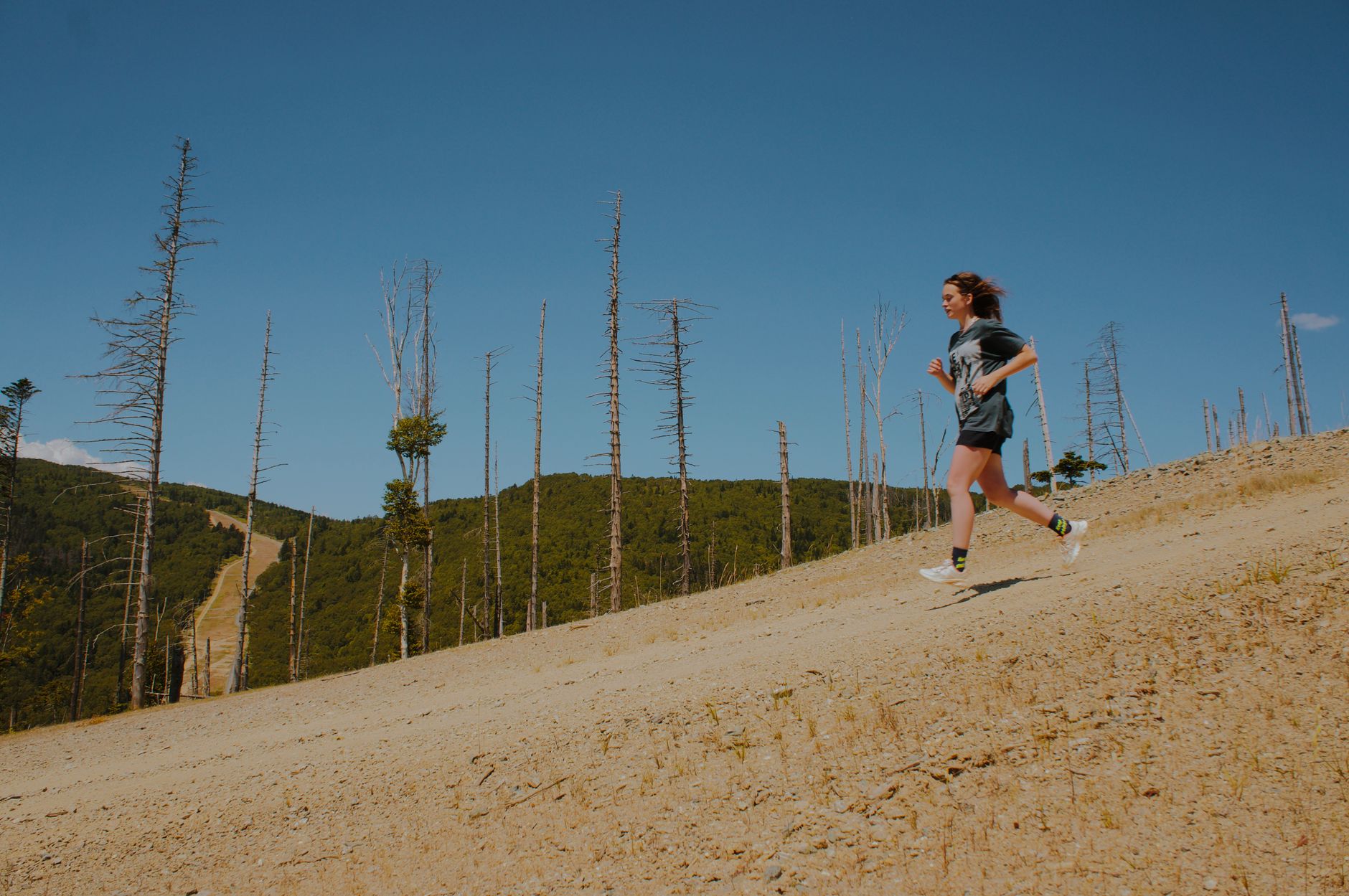
The Merrell MTL SpeedARC Peak does not yet have enough independent evidence to say it sets a new standard for trail running. Its strongest documented distinction is a 2025 ISPO Award, not proof that it outperforms every rival. Merrell launched this unisex flagship trail-racing shoe in Japan on July 15, 2026. It targets competitive runners seeking speed on rugged terrain rather than everyday versatility.
Medical information disclaimer: This article is for general educational purposes only and does not provide medical advice, diagnosis, or treatment. Always consult a physician or other qualified health professional about symptoms, medications, tests, or treatment decisions.
Table of Contents
- What makes the SpeedARC Peak different?
- What do buyers get for $290?
- Where does its performance have limits?
- Who should consider it?
What makes the SpeedARC Peak different?
The SpeedARC midsole combines PEBA-based FloatPro racing foam, durable FloatPro foam, and a carbon-fiber FlexPlate. Merrell says this construction aims to deliver propulsion while allowing the shoe to conform to uneven ground. The company reports five years of athlete-informed development, 154 prototypes, and more than 13,000 test miles.
Those figures describe Merrell's development process; they are not results from an independent performance study. The details appear in the Merrell launch announcement. This distinction matters. Extensive testing may refine a shoe, but it does not establish that runners will become faster, safer, or more efficient than they would in competing models.
What do buyers get for $290?
The SpeedARC Peak has a 32 mm heel and 26 mm forefoot, creating a 6 mm drop. Its 3/4-length carbon-fiber plate leaves more of the shoe unplated than a full-length design. A Kevlar-reinforced Matryx upper surrounds the foot. Underneath, a Vibram Megagrip Elite outsole uses 4 mm lugs for wet, rocky, and technical trails.
REI lists the U.S. model at $290 and classifies it as a moderate-cushion race shoe for rugged terrain. that price and positioning make it a specialized purchase, not an obvious replacement for a daily trainer. The complete measurements and intended use appear on the REI product page.
Where does its performance have limits?
Independent testing offers a more qualified picture than the product positioning. iRunFar reviewer Molly Schmelzle found the shoe quick and confidence-inspiring on gravel, softer ground, and moderately technical trails. However, she reported less stability on highly technical rock, shale, and off-trail terrain. The review also described a narrow, tapered last—the form that determines a shoe's internal shape—and possible heel slip without secure lacing.
These findings come from one tester, so they identify practical concerns rather than universal outcomes. See the full iRunFar review. That terrain split is important. A shoe can feel fast when the surface allows a steady stride yet become less predictable when rocks force sharp changes in foot placement.
Who should consider it?
The SpeedARC Peak makes the strongest case for a narrower-footed racer pursuing personal records on gravel, soft ground, or moderately technical trails. It may also suit targeted speed sessions that resemble those race conditions.
Runners wanting roomy long-distance comfort, dependable off-trail stability, or one shoe for routine training have clearer reasons to hesitate. Before paying the premium: If the heel lifts or the platform feels unstable on rock, reserve it for smoother race days or choose another shoe.
- Try it with the socks you plan to race in.
- Lace it securely and check for heel movement on inclines.
- Test changes of direction on uneven ground before using it in a race.
- Pay attention to stability on rock rather than judging it only on smooth trail.