Yes, yard work counts as exercise, and in many cases, it can provide cardiovascular and strength benefits comparable to a gym session. Raking leaves, digging soil, pushing a mower, and hauling wood chips engage your major muscle groups, elevate your heart rate, and demand sustained effort—the same requirements that define structured fitness. A person weighing 155 pounds can burn around 300-400 calories in an hour of moderate raking or gardening work, which rivals a moderate gym workout. The key difference is that yard work is intermittent and task-driven rather than continuous, so the intensity depends heavily on what you’re actually doing and how hard you push yourself.
The challenge with yard work as exercise is consistency and measurability. You can’t replicate the same workout twice because conditions change, seasons shift, and tasks vary. One Saturday you’re pulling weeds for 45 minutes; the next weekend you’re taking a month off because it’s winter. This variability means yard work works best as a supplemental activity rather than your primary fitness program—something that keeps you moving and active between structured runs or gym sessions rather than your main cardiovascular training.
Table of Contents
- Which Yard Tasks Actually Qualify as Real Exercise?
- Calorie Burn and Intensity Comparison
- Strength Development From Yard Work
- Making Yard Work a Legitimate Training Activity
- Injury Risk and Recovery Demands
- Seasonal Considerations and Consistency
- The Honest Assessment and Moving Forward
- Conclusion
Which Yard Tasks Actually Qualify as Real Exercise?
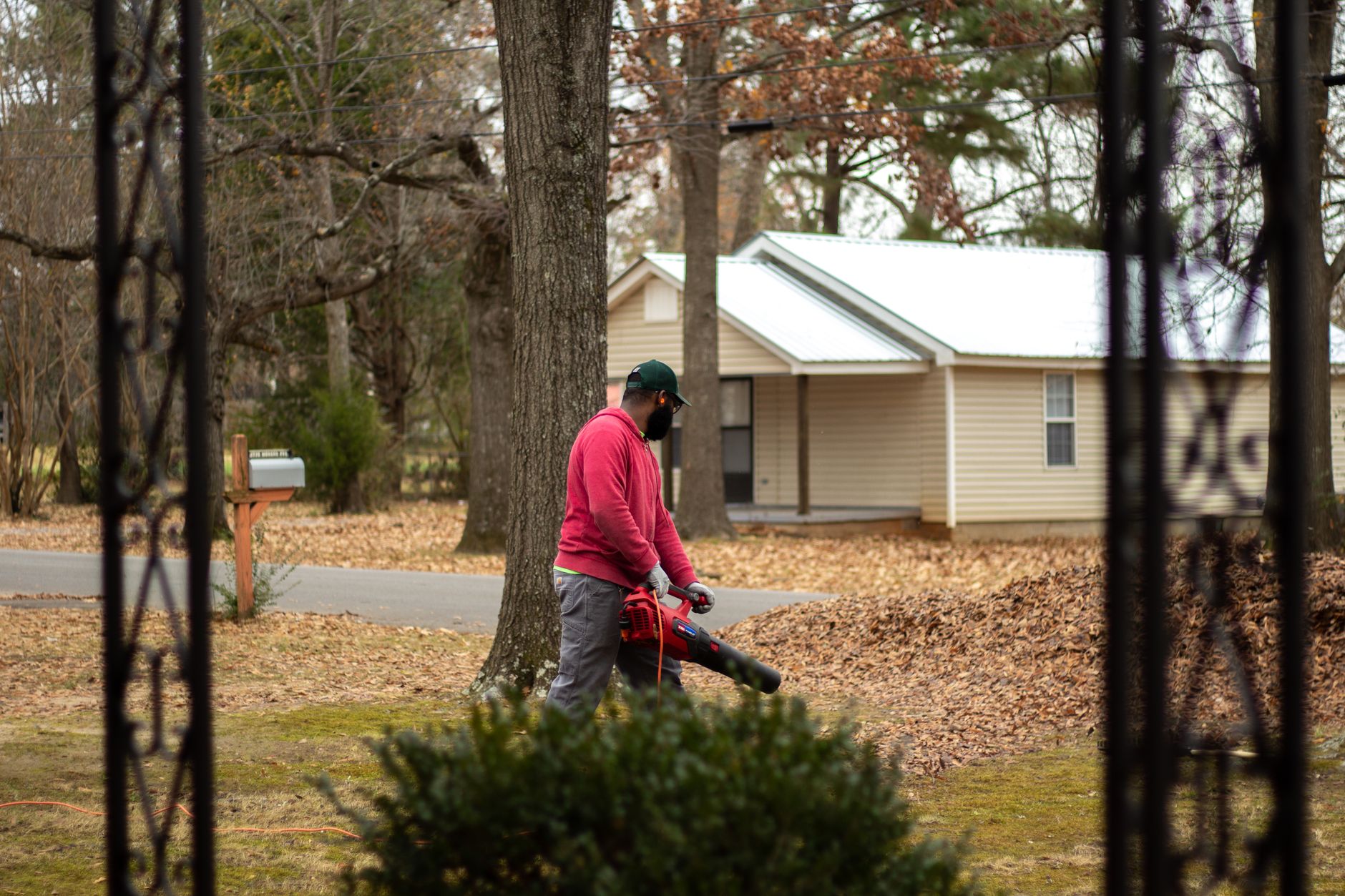
Not all yard work delivers the same fitness benefit. The most demanding tasks are those that require sustained, full-body effort: digging, double-digging to turn soil, pushing a reel mower through thick grass, hauling mulch, splitting wood, and raking large areas. These activities push your heart rate into moderate-to-vigorous intensity zones and engage your legs, core, arms, and back simultaneously. In contrast, light weeding, deadheading flowers, or watering with a hose are too low-intensity to count as meaningful exercise—they’re activity, but they won’t improve cardiovascular fitness or build strength. To gauge whether a yard task qualifies, use the talk test: if you can carry on a full conversation easily, it’s light activity; if you can speak in short sentences but not sing, you’re in moderate intensity; if you can only speak a few words, you’ve hit vigorous intensity.
Digging and raking typically fall into moderate intensity for most people, while splitting wood or rapidly tilling soil approaches vigorous. Weather matters too—working in heat or humidity increases cardiovascular demand, while cool conditions make the same task feel easier. One important limitation: yard work doesn’t replicate the specific adaptations that running training does. A runner’s legs adapt to the repetitive, rhythmic impact and push-off of running, but yard work uses different movement patterns that don’t fully transfer to running performance. A long day of gardening might make you tired, but it won’t improve your running efficiency the way structured running does.
Calorie Burn and Intensity Comparison
The calorie burn from yard work depends on your body weight, the specific task, and your effort level. A 155-pound person burns approximately 260 calories per hour light gardening, 360 calories per hour moderate raking or digging, and 440 calories per hour heavy digging or wood splitting. For comparison, that same person burns about 415 calories per hour running at a moderate 6 mph pace. This means vigorous yard work can match the calorie expenditure of running, though the physiological adaptations are different. The metabolic benefit also depends on sustained effort. Thirty minutes of continuous digging burns more calories than an hour of intermittent weeding and stopping to check your phone.
This is where yard work falls short of structured training—most people naturally take breaks, shift between light and heavy tasks, and work in bursts rather than maintaining steady-state intensity. A run is typically 30-60 minutes of continuous effort; yard work is fragmented. One critical warning: yard work often involves postures and movements that can cause injury if you’re not accustomed to them. Bending repetitively, twisting while holding heavy loads, and working overhead with a rake or pruner strain the lower back, shoulders, and knees in ways that running doesn’t. If you spend most of your time running and suddenly tackle a full day of digging, you risk spraining muscles that aren’t conditioned for those specific movements. The solution is to warm up properly, pace yourself across multiple shorter sessions, and build intensity gradually.
Strength Development From Yard Work
Yard work delivers meaningful strength benefits, particularly for functional fitness. Digging strengthens the legs, glutes, core, and arms through a compound movement that mimics weighted squats and deadlifts. Hauling wood, mulch, or stone develops grip strength and posterior chain endurance. Raking and sweeping build shoulder and arm stability. These aren’t as efficient as targeted strength training—a single set of properly loaded barbell squats delivers more quad stimulus than an hour of digging—but they’re genuine strength work. For runners specifically, yard work can complement strength training by adding variety and functional patterns.
A runner who does structured leg exercises twice a week plus digging work on weekends gets more diverse stimulus than running alone. However, yard work should not replace intentional strength training for runners, especially around the hips, glutes, and core—areas that directly support running performance and injury prevention. The limiting factor is progressive overload. Strength training works because you can systematically increase weight or reps to force adaptation. Yard work doesn’t offer that control—you can’t easily make raking “harder” in a measurable way. You’re limited by the pace of the task and your natural effort level, which creates a ceiling on how much strength stimulus you can generate.
Making Yard Work a Legitimate Training Activity
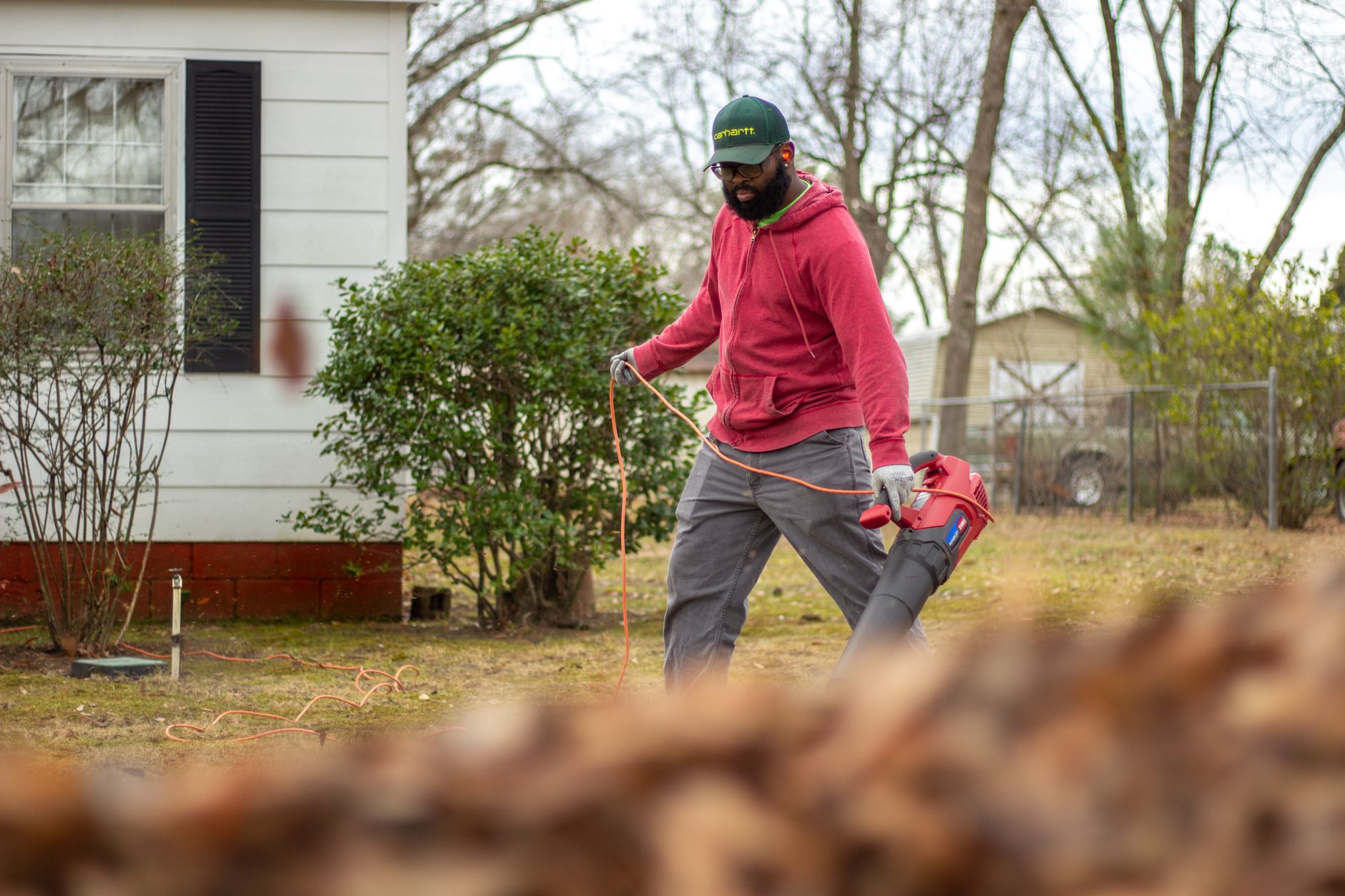
If you want yard work to count as intentional exercise rather than just staying busy, you need to treat it like training: track it, maintain intensity, and structure it. Log your yard work sessions—type of work, duration, and perceived intensity—just as you would a run. Perform a 5-10 minute warm-up before heavy digging or raking to prepare your muscles and avoid strains. Push the intensity by completing tasks in shorter timeframes (raking the whole yard in 40 minutes instead of two casual hours) or tackling more demanding variants (double-digging instead of light weeding). The tradeoff is that structured yard work feels less like leisure and more like deliberate exercise, which changes how people approach it.
You might enjoy a casual afternoon of light gardening for the therapeutic benefit and fresh air, but treating it as cardio training adds pressure and reduces the mental-health payoff. Many people benefit from having both: yard work as occasional cardio supplemental activity, plus dedicated running or gym sessions as their primary training. One practical approach: schedule heavy yard work on easy recovery days or days you’re not running. A long morning of digging could substitute for a planned easy run, allowing you to complete that day’s activity requirement while tackling necessary yard work. However, don’t expect it to deliver the same training stimulus as your regular running.
Injury Risk and Recovery Demands
Yard work carries unique injury risks that differ from running. The repetitive bending, twisting, and overhead movements involved in common yard tasks stress the lower back, shoulders, and knees in unfamiliar ways. Someone who runs regularly but rarely does yard work suddenly engaging in several hours of digging faces high injury risk because those specific muscles aren’t conditioned for the movement. Strains, sprains, and overuse injuries in the back, shoulders, and hips are common consequences. The recovery demand from intense yard work is also overlooked.
A person might feel sore for 2-3 days after a full day of wood splitting or digging, comparable to muscle soreness after hard training. If you’re in the middle of a structured running program, adding intense yard work on top might interfere with recovery and undermine your training. Your body can’t effectively recover from a tempo run Thursday, an interval session Saturday, and six hours of digging Sunday. The warning: don’t combine hard yard work with hard running on the same day or consecutive days, especially if you’re already fatigued. If you have a scheduled harder running workout, keep yard work light that day or skip it entirely. The cumulative stress on your joints and muscles increases injury risk significantly when you’re adding multiple forms of intense activity without adequate recovery.

Seasonal Considerations and Consistency
Yard work availability is seasonal and weather-dependent in most climates. Spring and fall offer prime conditions and high workload, but winter eliminates yard work for many people, and summer heat can make sustained effort uncomfortable or dangerous. This inconsistency is the biggest obstacle to treating yard work as reliable training.
You can’t build a progressive training program on an activity that disappears for months, and returning to yard work after a long break reintroduces injury risk. For runners in colder climates, yard work provides valuable activity during winter months when outdoor running conditions are challenging, offering a legitimate alternative. Someone in Minnesota might use fall yard work and spring yard work as part of their overall activity plan, sandwiched between winter running and summer running. The key is planning ahead—knowing that October is heavy raking season and scheduling your training volume accordingly.
The Honest Assessment and Moving Forward
Yard work counts as exercise in the most literal sense: it demands physical effort, elevates your heart rate, and can build strength and burn calories. However, it’s not a reliable substitute for structured training, and treating it as primary fitness work creates problems. Runners benefit most from seeing yard work as supplemental activity—the kind of thing that keeps you moving on off-days, provides functional strength stimulus, and accomplishes necessary tasks. It’s a bonus, not the foundation.
Moving forward, the best approach is honest self-assessment: if you’re a runner using yard work as an excuse to skip structured training, that’s a problem. If you’re incorporating intensive yard work as additional weekly activity alongside your regular running and strength training, that’s valuable. The line between them is accountability. A structured run or gym session has clear goals and measurable outcomes. Yard work is worth doing for the practical benefit and general activity, but approaching it as deliberate training requires the same rigor and planning you’d apply to any other workout.
Conclusion
Yard work delivers genuine physical benefits and can contribute to your overall fitness picture, especially when tasks demand sustained, vigorous effort. Raking, digging, hauling, and similar work engage major muscle groups, burn meaningful calories, and build functional strength. For runners and active people, it’s a legitimate supplemental activity that keeps you moving on recovery days and provides variety that pure running training doesn’t offer.
The key is honesty about what yard work is and isn’t. It’s not a replacement for structured cardiovascular training or intentional strength work. It’s inconsistent, lacks progressive overload, and carries injury risks if you’re not conditioned for the specific movements. Treat it as genuine exercise when conditions and planning allow, but build your training plan around running and targeted strength work, then layer in yard work as a valuable bonus rather than the foundation.