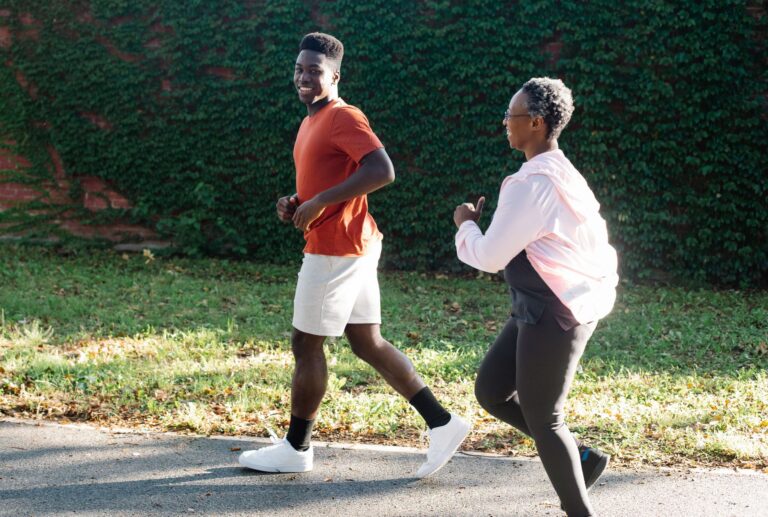
Canoeing is a surprisingly effective full-body workout that engages your upper body, core, and legs while being surprisingly low-impact compared to running. A 150-pound person paddling at a moderate pace burns approximately 300 to 400 calories per hour, making it comparable to other cardiovascular activities. Unlike pounding the pavement, canoeing places minimal stress on your knees and joints, which is why many runners and fitness enthusiasts use it as a cross-training activity to build strength without the repetitive impact injuries.
Canoeing works your shoulders, back, biceps, and core muscles through the pulling and pushing motion of the paddle stroke. Each paddle stroke engages your latissimus dorsi, rhomboids, and trapezius, while your core stabilizes your torso against the rocking motion of the boat. Whether you’re paddling on a calm lake or navigating gentle rapids, the continuous resistance of water against the paddle provides both aerobic and anaerobic training opportunities that complement land-based fitness routines.
Table of Contents
- What Makes Canoeing an Effective Fitness Activity?
- The Upper Body and Core Strength Benefits
- Canoeing vs. Kayaking: Understanding the Differences
- Getting Started with Canoeing Workouts: Practical Considerations
- Common Mistakes and Injury Prevention in Canoeing Workouts
- Canoeing as Cross-Training for Runners
- Building Paddling Fitness Into Your Long-Term Training
- Conclusion
- Frequently Asked Questions
What Makes Canoeing an Effective Fitness Activity?
Canoeing demands constant muscular engagement because water resistance is unforgiving. Unlike running where your legs move through air, every paddle stroke meets the resistance of water, forcing your muscles to work harder with each pull. This resistance training element means that even leisurely paddling sessions build muscle endurance. A paddler on a two-hour lake excursion will experience significant muscular fatigue in the shoulders and arms, similar to performing multiple sets of rowing exercises at the gym.
The cardiovascular benefits rival those of running when you maintain a steady pace. Most recreational canoeists paddle at intensities that keep their heart rate between 60 and 75 percent of maximum, which is the aerobic zone where your body burns fat efficiently. Competitive paddlers or those tackling whitewater can push into higher heart rate zones, approaching 85 to 90 percent of maximum during challenging sections. The difference from running is that canoeing distributes the workload across more muscle groups, so you can sustain effort for longer periods without the localized fatigue that makes running challenging for some people.

The Upper Body and Core Strength Benefits
Canoeing develops exceptional shoulder stability and rotational core strength that running alone cannot provide. The act of reaching forward and pulling the paddle backward involves the full kinetic chain—your legs press against the foot brace, your hips rotate, your core stabilizes, and your arms and shoulders pull through the stroke. This integrated movement pattern mimics functional fitness principles, building strength that translates to everyday activities like lifting, reaching, and carrying. Someone who paddles three times per week will notice improved posture within two to three months because of the back and shoulder strengthening involved.
A significant limitation of canoeing workouts is that they require adequate shoulder mobility and joint health. Paddlers with pre-existing shoulder problems, rotator cuff injuries, or impingement syndrome may experience pain during the repetitive overhead and pulling motions. Additionally, poor paddling technique can lead to shoulder strain over time. Beginners often grip the paddle too tightly or use only their arms instead of generating power from their core and legs, which accelerates fatigue and increases injury risk. Before taking up canoeing as a regular workout, it’s wise to assess your shoulder function, especially if you’ve had previous injuries.
Canoeing vs. Kayaking: Understanding the Differences
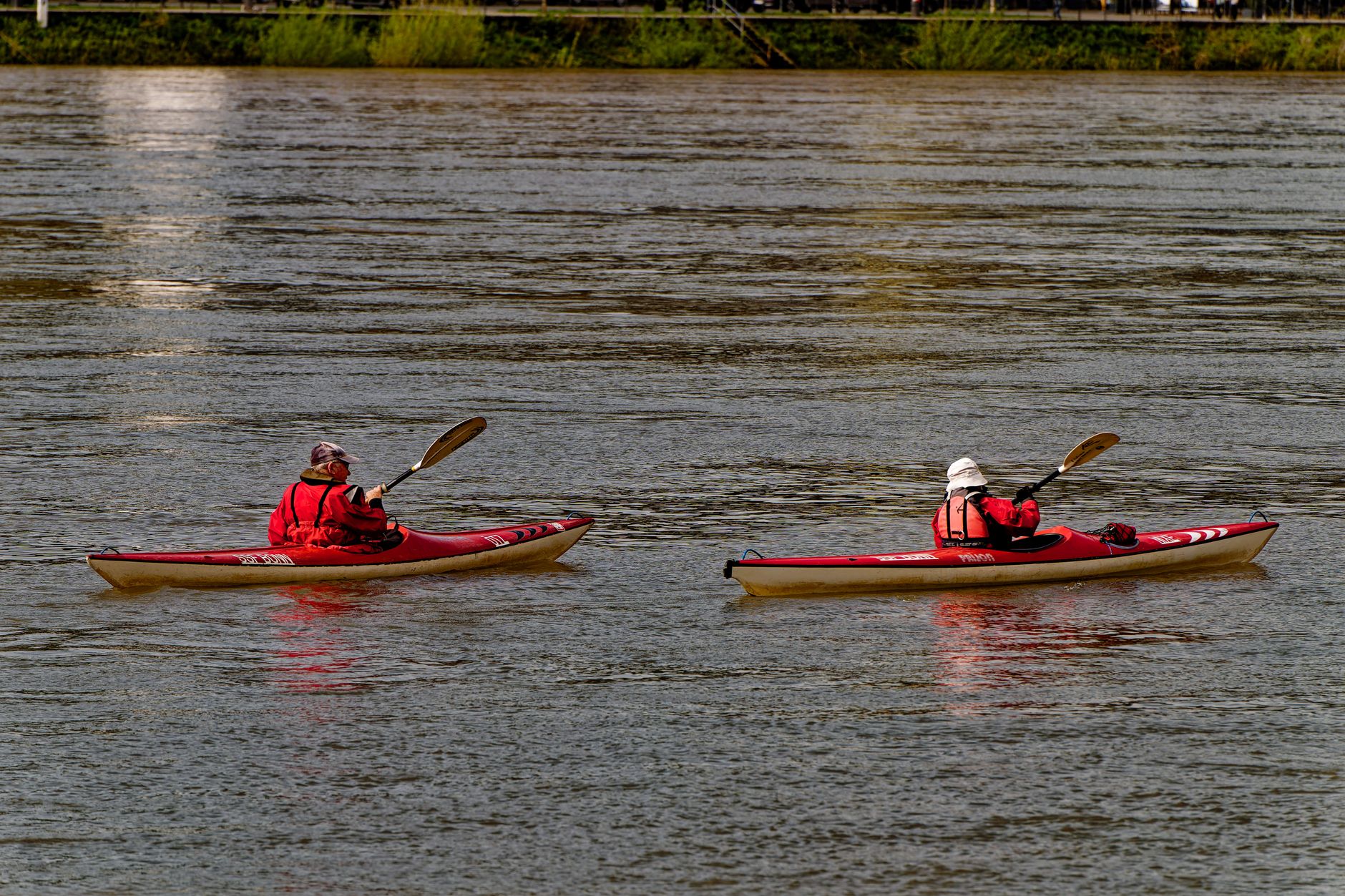
Canoeing and kayaking are often confused, but they offer different workout experiences. In a canoe, you kneel or sit while using a single-bladed paddle with no foot braces, requiring significant torso rotation and core engagement to generate power. Kayaking uses a double-bladed paddle with the paddler in a seated position with foot braces, distributing the effort more evenly between both sides of the body. From a fitness perspective, canoeing demands greater stability challenge and more upper body engagement, while kayaking provides a more symmetrical, sustained cardiovascular workout.
A runner switching to canoeing as cross-training will feel more muscular demand, while kayaking feels more like a consistent aerobic session. The different positions also affect which muscle groups fatigue first. Canoeists often feel their core and obliques tiring before their arms because of the rotational demands, while kayakers typically notice forearm and shoulder fatigue from the symmetrical paddling motion. If you’re specifically looking to strengthen your rotational core muscles and upper back, canoeing is superior. If you want a steady-state aerobic workout that’s easier on the shoulders, kayaking might be the better choice.
Getting Started with Canoeing Workouts: Practical Considerations
Starting a canoeing routine requires more upfront logistics than running, which often intimidates potential participants. You need access to water, a canoe, a paddle, and ideally a personal flotation device (PFD). Many people overcome this barrier by visiting local outfitters that rent equipment, with typical rental costs ranging from 20 to 40 dollars per day for a basic canoe and paddle. Some fitness enthusiasts invest in their own equipment, which costs 400 to 1,500 dollars for a recreational canoe depending on materials and quality.
This investment tradeoff is worth considering—if you’ll paddle regularly, ownership makes sense; if you’re uncertain, start with rentals. Fitness progression in canoeing differs from running because you can’t simply increase mileage at will. Instead, progress by extending your paddling duration, tackling more challenging water conditions, or increasing your paddling pace. A beginner paddler might start with one-hour sessions on flat water once or twice weekly, progressing to two-hour sessions or moving to slightly faster-moving water over several weeks. The beauty of this progression is that canoeing naturally prevents overtraining because physical access to water and equipment limits frequency, whereas runners can overtrain by running seven days weekly without barriers.
Common Mistakes and Injury Prevention in Canoeing Workouts
Most canoeing injuries stem from poor technique rather than the sport itself. New paddlers often use their arms to generate power instead of engaging their core and legs, leading to shoulder strain and elbow tendinitis after repeated sessions. A proper paddling stroke involves planting the blade in the water near your feet, then pulling with your core and upper back while your legs provide stability. Learning correct technique from an experienced paddler or instructor prevents months of shoulder discomfort.
Many people abandon canoeing after one or two sessions because they felt arm pain, not realizing their technique was the culprit rather than the activity being unsuitable. Overuse injuries in the wrist and forearm also occur, particularly when paddlers grip the paddle too tightly or paddle with excessive frequency without adequate recovery. Unlike running, where beginners typically increase mileage gradually, paddlers sometimes treat their first canoe outings as isolated events and then attempt ambitious paddles the following week. This inconsistency, combined with muscle soreness and fatigue, creates injury risk. It’s important to follow the same progression principles as running—build gradually, include rest days, and pay attention to early warning signs like soreness that doesn’t resolve within two days of activity.
Canoeing as Cross-Training for Runners
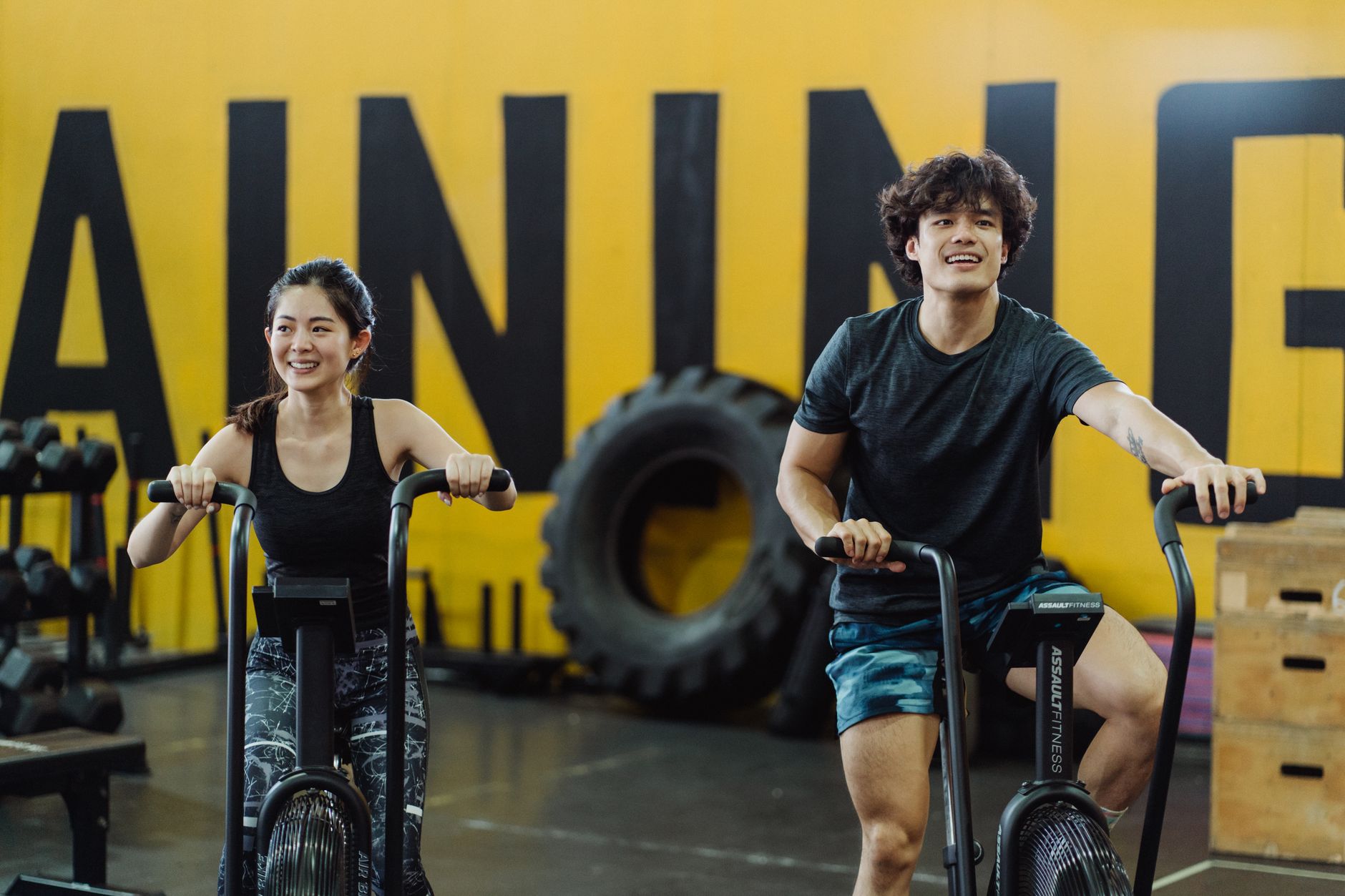
Runners often use canoeing as a lower-impact cross-training activity to maintain cardiovascular fitness while giving their legs and joints a break. Since canoeing engages primarily your upper body and core rather than your legs, runners can paddle on days between running workouts without compromising leg recovery. This strategy is particularly valuable during high-mileage training blocks where runners want to maintain fitness without accumulating impact stress.
A runner completing a 12-week marathon training plan might paddle twice weekly on long run and tempo run days, boosting aerobic capacity while protecting the knees and ankles from additional stress. The mental break is equally valuable. Running the same routes repeatedly can become monotonous, while paddling on changing bodies of water provides environmental variety that keeps motivation high. Many runners report that their running performance improves after adding canoeing to their routine, not because paddling makes them faster, but because the injury prevention and cross-training benefit allows them to maintain consistent running without setbacks.
Building Paddling Fitness Into Your Long-Term Training
Seasonal paddling is increasingly popular among serious athletes who want sport-specific fitness without abandoning their primary sport. A runner living near water might establish a base running fitness during fall and winter, then supplement with regular paddling from spring through early autumn. This approach leverages seasonal advantages—winter provides consistent ground conditions for base-building runs, while summer water temperatures and longer daylight hours make paddling more accessible and enjoyable.
Over years of this integrated training, athletes develop exceptional aerobic capacity because both running and paddling stress the cardiovascular system from different angles. Technology like heart rate monitors and GPS watches help paddlers track their progress and ensure they’re training at appropriate intensities. Many runners already use these tools for running workouts and can apply the same principles to paddling, monitoring whether they’re staying in aerobic zones or pushing into threshold efforts. As canoeing gains recognition as legitimate fitness training rather than recreational activity, more paddlers will adopt structured training approaches similar to running, including interval paddling, steady-state sessions, and recovery paddles.
Conclusion
Canoeing workouts offer runners and fitness enthusiasts a complete upper body and core workout that builds cardiovascular fitness without the impact stress of running. The activity engages your shoulders, back, core, and stabilizer muscles through the resistance of water, delivering both strength and endurance benefits in a single session. Whether you’re paddling for 30 minutes or three hours, you’re building functional fitness that translates to improved posture, stronger shoulders, and a resilient core.
Starting a canoeing practice requires overcoming initial logistics barriers like equipment access and learning proper technique, but the payoff—a low-impact cross-training option that prevents running injuries while boosting fitness—makes it worth the effort. If you have access to water and you’re interested in diversifying your training, try renting a canoe for a few sessions before committing to purchase. Focus on technique from the beginning, progress gradually, and treat canoeing as a legitimate part of your fitness routine rather than an occasional recreational activity. Your body, particularly your shoulders and joints, will thank you for the workout variety.
Frequently Asked Questions
How many calories does canoeing burn compared to running?
A 150-pound person burns approximately 300 to 400 calories per hour while canoeing at moderate pace, which is comparable to running at 6 to 7 miles per hour. The exact number depends on paddling intensity, speed, water conditions, and body weight—heavier individuals burn more calories, while slower paddling burns fewer.
Is canoeing safe for people with shoulder problems?
Canoeing can aggravate pre-existing shoulder issues because of the repetitive pulling and reaching motions. If you have rotator cuff problems or shoulder impingement, consult with a physical therapist before starting paddling. Proper technique significantly reduces injury risk, but some individuals may need to avoid canoeing altogether.
How often should I paddle to build fitness?
Beginners should paddle one to three times weekly, allowing at least one rest day between sessions. As you build fitness and technique, you can increase frequency to three to four times weekly. Like running, consistency matters more than frequency—regular weekly paddling builds fitness better than occasional intense sessions.
Can I use canoeing instead of running for cardiovascular fitness?
Yes, canoeing can replace running as your primary aerobic exercise, though it emphasizes upper body and core more than running does. Many runners use canoeing as cross-training rather than replacement because running specifically builds lower body endurance necessary for distance running. For general cardiovascular fitness without running-specific goals, canoeing is completely sufficient.
What’s the difference between canoeing and kayaking for fitness?
Canoeing demands more core rotation and upper body engagement due to the single-bladed paddle, while kayaking distributes effort symmetrically between both sides. Canoeing offers greater stability challenges and more rotational core work, while kayaking provides more consistent, symmetrical effort across muscles.
How long does it take to see fitness improvements from canoeing?
Most paddlers notice improved upper body endurance within two to three weeks of consistent paddling. Significant strength gains in shoulders and core appear within four to six weeks. Cardiovascular improvements follow similar timelines to running—expect measurable VO2 max improvements after six to eight weeks of regular sessions.