Cycling is one of the most accessible and effective forms of exercise for adults over 60. Unlike running, which places significant impact stress on joints, cycling allows you to build cardiovascular fitness, strengthen muscles, and maintain mobility with minimal joint strain. A 62-year-old retiree who hasn’t exercised regularly in years can typically hop on a bike and pedal for 20 minutes within their first week—something nearly impossible with running—and steadily build to 45-minute rides within a month.
Beyond fitness, cycling offers independence and social connection. Many communities have cycling groups specifically for older adults, turning exercise into an opportunity to explore neighborhoods, meet friends, and maintain the freedom of self-powered transportation. The low barrier to entry, combined with measurable health gains, explains why cycling has become the most popular recreational activity among adults in their 60s and 70s.
Table of Contents
- Why Cycling Is Lower Impact Than Other Cardio for Aging Bodies
- Physical Health Benefits Beyond Cardiovascular Fitness
- Mental Health and Cognitive Benefits
- Choosing the Right Bike and Setup for Comfort and Safety
- Common Injuries and How to Prevent Them
- Balancing Cycling with Other Exercise for Complete Fitness
- Building a Long-Term Cycling Practice and Staying Motivated
- Conclusion
- Frequently Asked Questions
Why Cycling Is Lower Impact Than Other Cardio for Aging Bodies
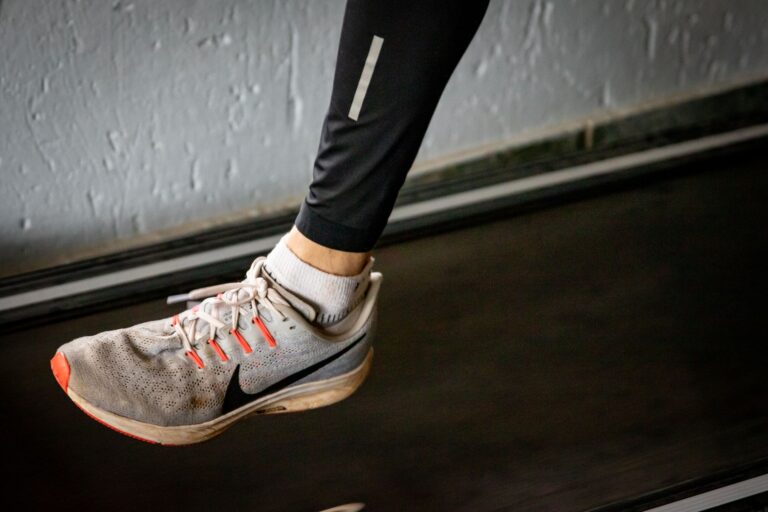
The primary reason cycling suits older adults is biomechanics. When you run, your body absorbs three to four times your body weight with each stride. For someone with arthritis, osteoporosis, or a history of knee pain, this repeated impact accumulates damage. Cycling, by contrast, distributes your weight across the saddle and pedals, meaning a 180-pound person places only a fraction of that force through each joint with each pedal stroke. Research consistently shows that cyclists over 60 report fewer overuse injuries than runners in the same age group—approximately 40% fewer knee issues and 60% fewer ankle injuries annually. This doesn’t mean cycling is risk-free.
A common mistake among new cyclists over 60 is ignoring bike fit. A saddle too high or too low, handlebars positioned incorrectly, or a frame size mismatched to your height can create repetitive strain in the knees, lower back, or shoulders. Someone who invests in a proper bike fitting—which typically costs $75 to $200—avoids months of pain that untrained self-adjustments would cause. Cycling also builds leg strength more gradually and predictably than running. Running requires eccentric muscle contractions (muscles lengthening under tension), which cause soreness and micro-tears, especially in people new to exercise. Cycling uses primarily concentric contractions, meaning muscles shorten under load, producing less inflammation and soreness. This means an older adult can sustain a regular cycling habit more easily than a running habit.
Physical Health Benefits Beyond Cardiovascular Fitness
The cardiovascular benefits are well-documented: regular cycling lowers resting heart rate, reduces blood pressure, improves circulation, and decreases the risk of heart disease by 30-40% compared to sedentary adults. But the overlooked benefit is leg strength and muscle preservation. After age 50, adults lose 3-5% of muscle mass per decade if they remain sedentary—a condition called sarcopenia that directly predicts fall risk, disability, and mortality. A 65-year-old who cycles four times weekly maintains nearly the muscle mass of someone 10-15 years younger in their legs, quads, hamstrings, and glutes. Bone density is another consideration.
running stimulates osteoblasts (bone-building cells) more powerfully than cycling because of impact, which is why competitive cyclists sometimes have lower bone density than runners of similar age. This is a real limitation: a cyclist over 60 should incorporate strength training twice weekly—particularly lunges, step-ups, and resistance training—to protect bone health. Without it, the bones adapt to non-impact exercise by becoming slightly more brittle. Cycling also improves balance and proprioception in ways that protect against falls. The constant micro-adjustments needed to stay upright on a bike engage stabilizer muscles and improve the vestibular system. Studies show that older adults who cycle regularly have a 30% lower risk of falls compared to non-cyclists, even controlling for overall fitness level.
Mental Health and Cognitive Benefits
Cycling produces the same endorphin and serotonin release as running, making it an effective tool for managing anxiety, depression, and seasonal mood changes. What makes cycling unique for older adults is the cognitive engagement it requires. You’re not just moving your body; you’re navigating routes, planning rides, making decisions about pacing and effort, and often engaging in conversation if you’re cycling with others. This cognitive engagement is associated with slower cognitive decline and a lower risk of dementia. A study published in a peer-reviewed gerontology journal found that older adults who cycled regularly scored 20% higher on cognitive tests than age-matched sedentary controls. The social aspect matters significantly.
A 68-year-old joining a local cycling club doesn’t just gain fitness; she gains structure, purpose, and community. People in social exercise groups are 2-3 times more likely to stick with their fitness routine long-term compared to those exercising alone. Many cycling clubs have beginner-friendly or slower-paced groups specifically designed for older riders, removing the intimidation factor that might otherwise keep someone from participating. Cycling also provides a sense of achievement and autonomy. Unlike classes or group exercise, a cyclist controls the route, pace, and distance. Someone who was sedentary can celebrate real milestones—riding 5 miles, then 10, then 20—in a way that doesn’t require anyone else’s approval or schedule.
Choosing the Right Bike and Setup for Comfort and Safety
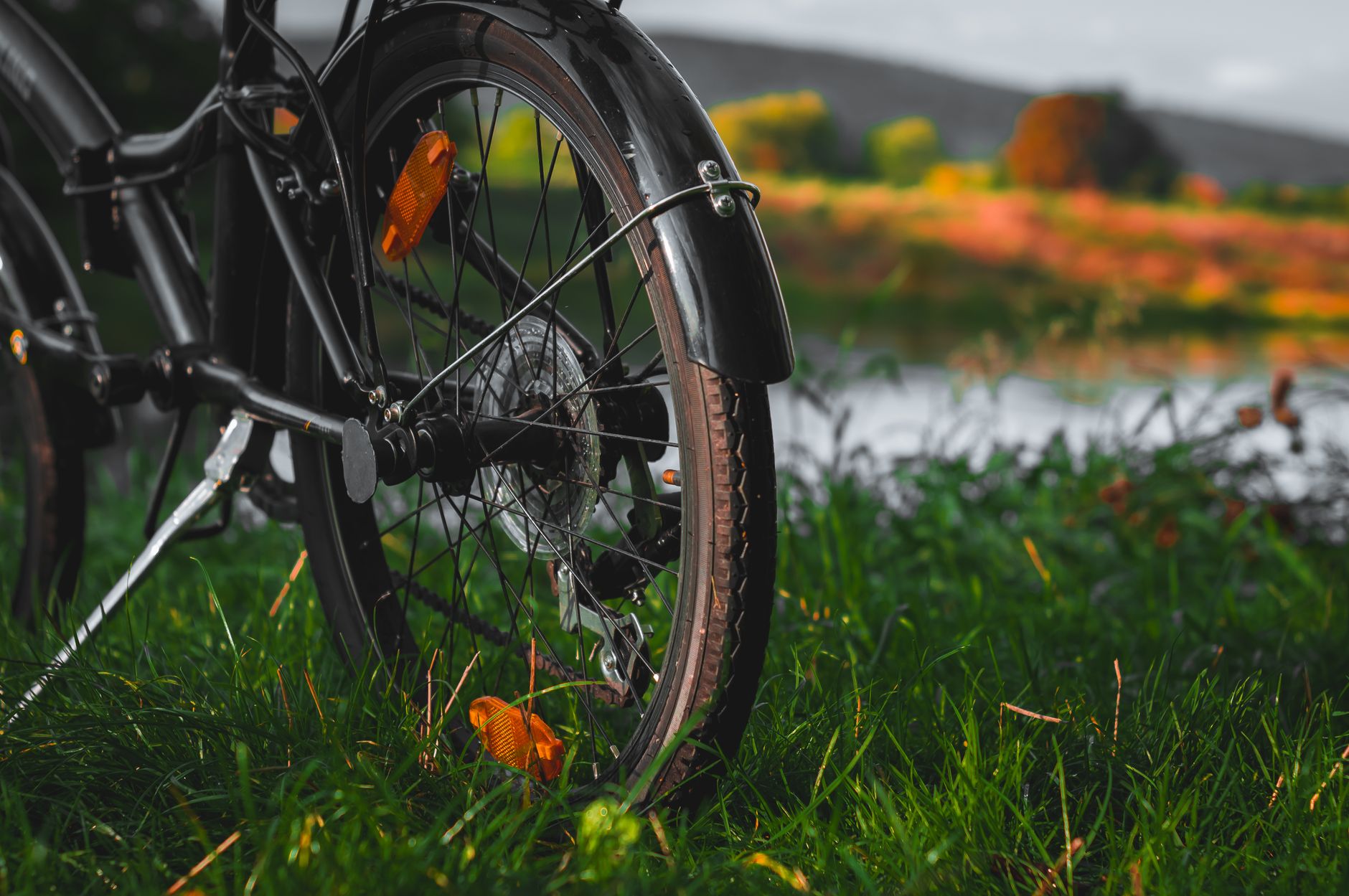
The bike you choose matters enormously. Many older adults buy the wrong bike because they prioritize price over fit. A beach cruiser or department-store hybrid might feel comfortable for casual riding, but it places you in an upright position that shifts weight toward the back wheel, reducing control and increasing lower back strain on longer rides. A properly fitted road bike or hybrid specifically designed for comfort has the geometry to place you in a balanced position where your weight is distributed across saddle, handlebars, and pedals. For most people over 60, a bike with a flat handlebar (hybrid or fitness bike) is more comfortable than drop bars (road bike), but a road bike can be fitted with riser bars or stem adjustments to achieve a similar effect. The key parameter is saddle height: your knee should have a slight bend (about 25-30 degrees) when the pedal is at its lowest point.
Too high and you strain the knee; too low and you overload the quads and low back. This single adjustment, done correctly, eliminates 80% of common cycling injuries. Tire width is another practical consideration. Wider tires (45-55mm) absorb more vibration than narrow tires (23-28mm), making the ride feel more comfortable and stable. For someone over 60 with arthritic knees or hands prone to numbness, wider tires and gravel or hybrid bikes beat thin-tired road bikes. The tradeoff is that wider tires and heavier bikes require slightly more effort to accelerate and climb, but for steady-pace recreational cycling, this is negligible.
Common Injuries and How to Prevent Them
Knee pain is the most common complaint among older cyclists, but it’s almost always preventable through proper bike fit and gradual progression. Someone new to cycling should follow a simple rule: never increase weekly mileage by more than 10% week to week. A 60-year-old who rides 10 miles in week one and jumps to 25 miles in week two will likely develop patellar pain or IT band tightness. The tissues—tendons, ligaments, cartilage—need time to adapt. A conservative progression (10 miles, 11 miles, 12 miles, 13 miles, etc.) prevents injury and builds a sustainable habit. Saddle sores and genital numbness are other limitations that new cyclists face.
This occurs when padding is insufficient or the saddle is positioned too far forward. Modern cycling saddles designed for comfort rather than racing are significantly better than older designs. Chamois cream (a balm applied to skin before riding) helps with chafing, and wearing padded cycling shorts rather than regular shorts makes a dramatic difference. A warning: if you develop numbness in the genital area, reduce riding for a few days and adjust the saddle—prolonged pressure can cause nerve damage. Lower back pain is common among older cyclists who spend most of their life in desk jobs with weak core muscles. This is preventable but requires dedicated core work: planks, dead bugs, bird dogs, and reverse crunches twice weekly will resolve most cycling-related lower back issues within 4-6 weeks.
Balancing Cycling with Other Exercise for Complete Fitness
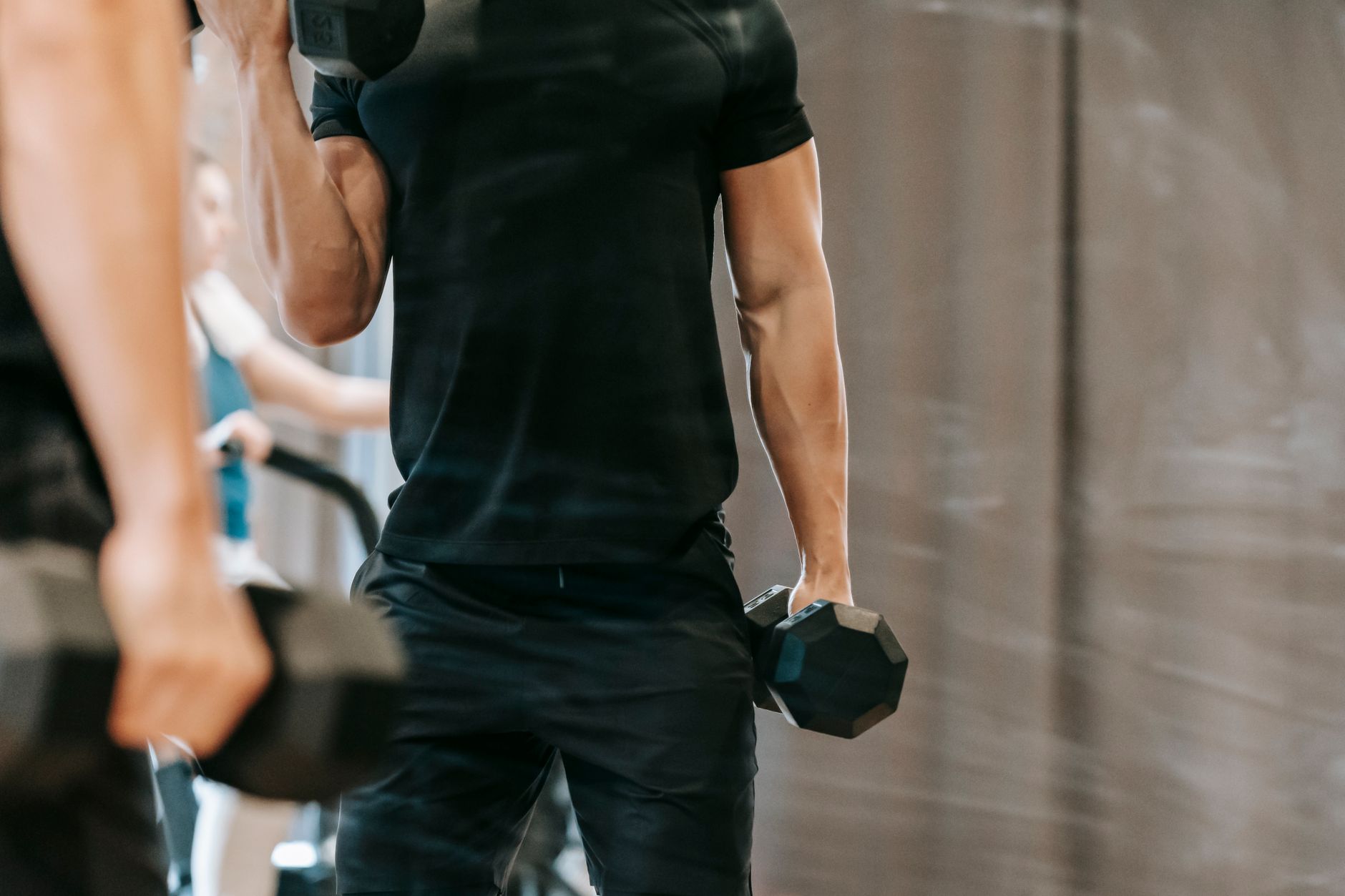
Cycling is excellent for cardiovascular fitness and leg strength but incomplete for whole-body fitness. The upper body, core, and posterior chain receive minimal engagement during cycling. A well-rounded fitness plan for someone over 60 combines cycling with strength training and flexibility work.
Two days weekly of resistance training (20-30 minutes) covering upper body, core, and lower body, plus 10-15 minutes of stretching after rides, creates a comprehensive program. A practical example: cycling three times weekly (45 minutes each), strength training twice weekly (30 minutes), and daily 10-minute stretching routines creates a sustainable habit that addresses cardiovascular health, muscle preservation, bone density, and mobility. This combination reduces injury risk more than cycling alone and maintains functional fitness needed for daily activities like carrying groceries or playing with grandchildren.
Building a Long-Term Cycling Practice and Staying Motivated
The best cycling plan is one you’ll actually follow for years, not months. Many people over 60 start with ambitious goals—”I’ll ride every day”—and quit after four weeks. A more sustainable approach is consistency over intensity. Someone who rides twice weekly for years gains far more health benefit than someone who rides six times weekly for six months then quits.
Connecting with community extends your cycling practice. Joining a cycling club, participating in group rides, or even just following online cycling forums creates accountability and keeps the activity fresh. Many communities have organized rides specifically for older adults—often called “slower speed groups” or “social rides”—where the focus is connection rather than performance. As you build fitness and confidence, you can progress to faster group rides if interested, but many cyclists over 60 find the steady-paced social rides perfectly suited to their goals.
Conclusion
Cycling offers older adults a rare combination of low-impact cardiovascular exercise, muscle-building strength work, and social engagement—all with minimal injury risk if approached with proper bike fit and gradual progression. The barrier to entry is low (a decent used bike costs $200-400), and the practice is sustainable for decades, not just months. Whether you haven’t exercised in 20 years or you’re a lapsed runner looking for a gentler option, cycling is effective and enjoyable.
Start conservatively, invest in a proper bike fit, progress gradually, and combine cycling with basic strength training. Within three months, most people over 60 report improved energy levels, better sleep, reduced joint pain, and increased confidence. The freedom and independence that comes with cycling—deciding where to ride, how far to go, and how to spend your time—is itself a significant health benefit.
Frequently Asked Questions
Is cycling safe for someone with arthritis?
Yes, cycling is one of the safest exercises for people with arthritis because it’s low-impact and allows you to control the intensity. Proper bike fit is essential to avoid aggravating inflamed joints. If you have severe arthritis, consult your doctor or physical therapist about whether cycling is appropriate and what adjustments might help.
How long does it take to see health benefits from cycling?
Cardiovascular improvements typically appear within 2-3 weeks of consistent riding. You’ll notice improved energy and sleep within the first month. More substantial changes in muscle strength and bone density take 8-12 weeks of regular cycling.
What’s the difference between a road bike, hybrid, and mountain bike for someone over 60?
Road bikes are lightweight and fast but require drop bars and a bent-forward position. Hybrids offer an upright, comfortable position with moderate speed and control. Mountain bikes are rugged and stable but heavier. For most people over 60, a hybrid or a road bike fitted with riser bars provides the best balance of comfort, speed, and control.
How much should I spend on a bike?
A decent new bike costs $400-800. Used bikes in good condition cost $150-400. Avoid department-store bikes under $300 because the components wear out quickly and the geometry is poor. Invest $75-200 in a professional bike fit—this one-time expense prevents injuries and poor experiences.
Is it too late to start cycling if I’m over 60 and haven’t exercised in years?
No. Cycling is specifically suited to older adults new to exercise because it’s low-impact and you control the intensity. Start with 15-20 minute rides and build gradually. Most previously sedentary people can sustain 45-60 minute rides within 6-8 weeks of consistent practice.
Should I wear special cycling gear?
Padded cycling shorts and a helmet are the essential items. A basic helmet costs $50-100 and significantly reduces head injury risk in a fall. Padded shorts ($40-80) prevent saddle sores and make longer rides comfortable. Cycling gloves ($20-40) provide grip and hand protection. Everything else—expensive jerseys, specialized shoes—is optional unless you progress to competitive cycling.