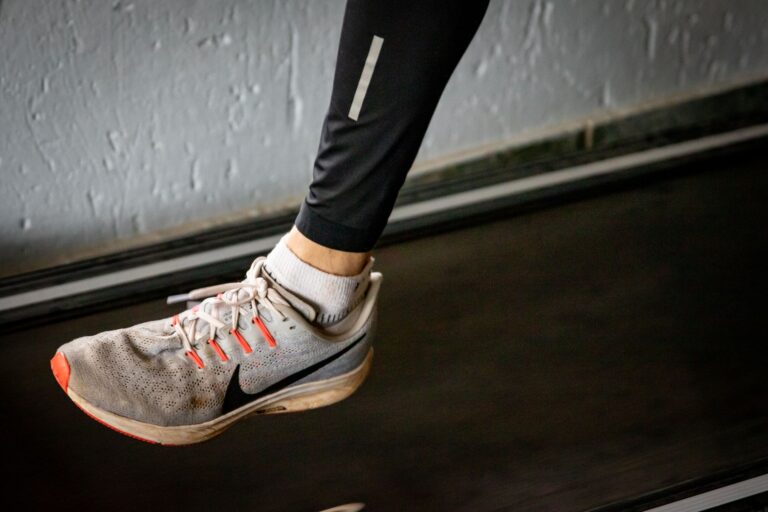
Athletic footwear discounts during Prime Day 2026 are substantial, with popular brands like Adidas offering up to 43 percent off running shoes and New Balance reducing cross trainers by 32 percent. These aren’t token sales—retailers are slashing prices across the full range of footwear from major names, with discount floors set at 20 percent across featured deals.
If you’ve been waiting for an opportunity to upgrade your running or walking shoe collection without the premium price tag, this year’s Prime Day event running through June 26th delivers meaningful savings on gear from Nike, Saucony, Veja, New Balance, and Adidas. The scale of this year’s sale reflects both competitive pressure among brands and increased consumer expectations for substantial discounts. Many of these deals represent the lowest prices these shoes have hit in at least three months, making Prime Day 2026 genuinely noteworthy for anyone actively shopping for athletic footwear rather than just impulse-buying based on the word “sale.”.
Table of Contents
- What Are the Best Athletic Footwear Discounts Available This Prime Day?
- How Deep Are the Discounts Across Popular Brands?
- Where Can You Find Shoes Under $35 During Prime Day?
- How to Identify Genuine Deals vs. Inflated Discounts
- Common Pitfalls When Shopping Prime Day Footwear Sales
- Category Breakdown of Available Athletic Footwear
- Comparing Prime Day 2026 Athletic Shoe Prices
What Are the Best Athletic Footwear Discounts Available This Prime Day?
The headline deals center on established running and training brands. Adidas running shoes lead with a 43 percent discount, followed by New Balance cross trainers at 32 percent off. Both represent serious reductions on shoes that typically command full retail prices.
Beyond these two, Nortiv 8 running shoes are discounted 20 percent and priced around $48, offering an entry point for budget-conscious runners or those wanting to experiment with a less familiar brand. The breadth of the sale extends across Nike, Saucony, Veja, Guess, and Vans as well. While not all these brands are competing at identical discount percentages, the consistent 20 percent floor means you’re not getting caught by typical retail theatrics where a small percentage off feels like major savings. This approach makes it easier to compare what you’re actually saving across different purchase options.
How Deep Are the Discounts Across Popular Brands?
Understanding discount depth matters because athletic footwear rarely goes on true sale. Premium brands especially tend to protect their pricing. The 43 percent reduction on Adidas running shoes is genuinely exceptional—that’s the kind of discount usually reserved for clearance inventory or seasonal transitions.
The 32 percent off New Balance cross trainers similarly reflects reduced demand in specific models or seasonal styles. A limitation to note: the deepest discounts often apply to specific colorways or sizes rather than the entire product line. If you‘re hunting for a particular shoe style in a specific color, you might find the deal applies only to remaining inventory in less popular options. This isn’t deceptive pricing, but it means the advertised discount percentage doesn’t necessarily apply to every version of the shoe you’re considering.
Where Can You Find Shoes Under $35 During Prime Day?
Premium sneaker brands like Saucony and Veja are available starting below the $35 price point during this Prime day event. This category represents unusual value—these brands typically command $80 to $150 for their standard running and training models. Achieving sub-$35 pricing means you’re either looking at past-season inventory, specific outlet models, or loss-leader pricing to drive traffic.
For context, Saucony and Veja built their reputations on quality construction and attention to detail. Saucony’s running shoes, for instance, feature responsive cushioning appropriate for daily training. Finding them under $35 is rare enough that you should be prepared to move quickly if you find your size and preferred style, as inventory at that price point depletes rapidly.
How to Identify Genuine Deals vs. Inflated Discounts
The consistent 20 percent minimum across featured deals gives you a baseline for comparison. Any deal showing less than this threshold at Prime Day should be questioned—it suggests the retailer is either not participating in the broader sale or is using that item as filler. Comparing a shoe’s current Prime Day price against its lowest price in the past three months, as stated for these deals, is the most objective way to assess value.
Look at historical pricing data if available on the product page. Amazon and most major retailers show price history for products they track. A shoe that was $89 ninety days ago and is $59 today represents a genuine 33 percent discount. A shoe that jumped from $55 to $75 and is now “on sale” for $69 is marketing manipulation, not a real deal, even if the percentage looks impressive.
Common Pitfalls When Shopping Prime Day Footwear Sales
Buying shoes online without proper fitting consideration is the most common error. Prime Day sales pressure you into quick decisions, but running and training shoes require specific fit characteristics based on your foot strike, arch type, and intended use. A shoe that’s genuinely 43 percent off is worthless if it causes blisters or exacerbates an existing injury because you chose based purely on price and availability.
Return policies matter here. Confirm that the seller accepts returns on footwear—some clearance or sale items carry final-sale restrictions. When you’re buying across multiple brands during a sale event, keep detailed records of which shoes you ordered and when they arrived, since Prime Day volume can complicate the return process if multiple pairs need processing.
Category Breakdown of Available Athletic Footwear
The sale spans running shoes, walking shoes, cross trainers, and retro classics. Running shoes typically represent the largest portion of any athletic footwear sale and carry the deepest discounts—that’s where Adidas and other performance-focused brands gain competition and price-sensitive buyers. Walking shoes and cross trainers occupy a different market segment with slightly different performance requirements, so their discount structures sometimes diverge from pure running shoe pricing.
Retro classics deserve separate attention because they’re often marketed differently despite being athletic footwear. A retro Adidas or Nike silhouette might be positioned as lifestyle rather than performance, affecting both pricing and discount strategy. Don’t assume a retro style carries the same discount as the contemporary running version of the same brand.
Comparing Prime Day 2026 Athletic Shoe Prices
This year’s Prime Day discounts represent genuine opportunity compared to typical seasonal sales. Regular sales events like end-of-season clearances might eventually reach similar price points, but they typically require waiting several additional months.
If your shoe needs are immediate or you’ve been tracking a specific model’s pricing, waiting for prices to drop further carries risk since inventory constraints mean popular sizes and colors sell out first. The timeframe through June 26th creates artificial urgency, but in this case the urgency reflects actual demand pressure and real stock depletion rather than manufactured scarcity. Multiple reports from major retailers confirm rapid inventory movement on bestselling models and colors, particularly in mid-range shoe sizes.