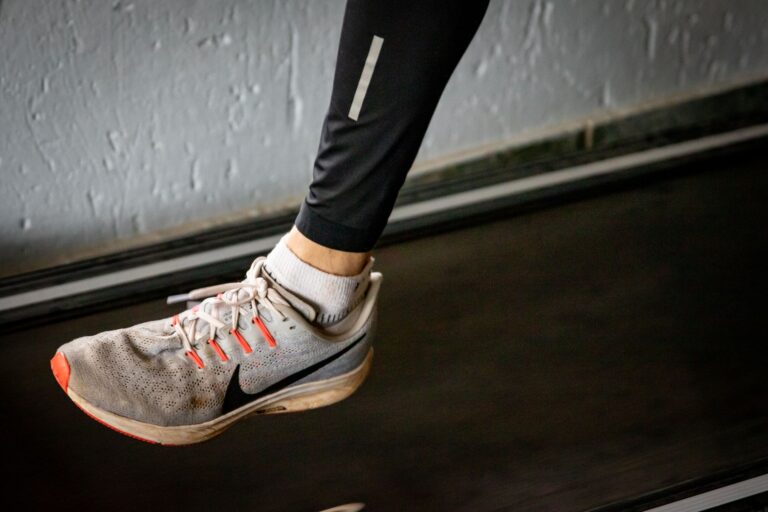
Seniors can safely earn vigorous-intensity minutes on a treadmill by starting at a conversational pace—typically 3.5 to 4 miles per hour—and gradually increasing incline or speed in small increments. Unlike outdoor running, which involves sudden terrain changes and impact variability, treadmill running gives older adults precise control over pace and cushioning. A 68-year-old former runner in Denver increased her daily treadmill sessions from 20 minutes at 3.0 mph to 30 minutes with a 2-3% incline over eight weeks, eventually hitting the 75 vigorous minutes per week recommended for her age group. The key to earning vigorous minutes safely lies in understanding what “vigorous” actually means for your fitness level.
For seniors, vigorous intensity means moving hard enough to breathe heavily and struggle to hold a conversation—typically 70-85% of maximum heart rate. A treadmill allows you to dial in this intensity precisely while standing on a cushioned surface that absorbs impact, reducing joint stress compared to concrete or asphalt running outdoors. Most seniors underestimate how quickly they can build toward vigorous running when they start systematically. The treadmill removes excuses like weather, darkness, or uneven pavement, making consistency the real game-changer for building both fitness and confidence in your aerobic capacity.
Table of Contents
- What Heart Rate Should Seniors Target for Vigorous Treadmill Running?
- How Treadmill Cushioning Protects Aging Joints While Building Strength
- Incline vs. Speed—Which Method Builds Vigorous Minutes More Safely?
- Building a Safe Weekly Treadmill Plan to Hit 75 Vigorous Minutes
- Joint Pain and Recovery—Knowing When to Adjust vs. When to Push Through
- Hydration and Thermoregulation on the Treadmill
- Treadmill Technology and Smart Features for Older Adults
- Conclusion
What Heart Rate Should Seniors Target for Vigorous Treadmill Running?
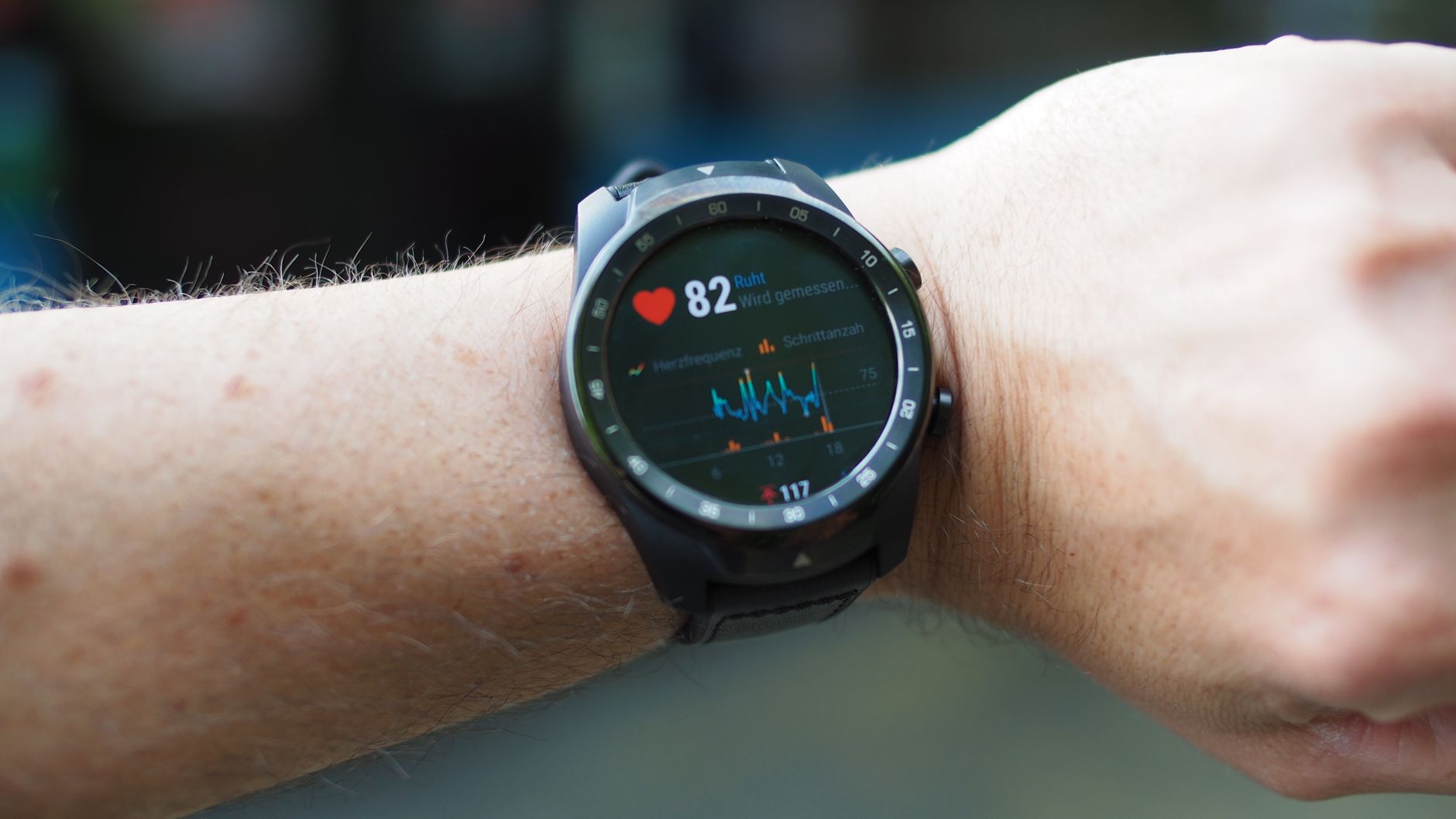
Your target vigorous zone depends on your current fitness level and any existing heart conditions. A standard formula subtracts your age from 220, then multiplies by 70-85% to find vigorous intensity. For a 70-year-old with no cardiac restrictions, that’s roughly 105-126 beats per minute. However, anyone with hypertension, arrhythmias, or a history of heart disease should work with their cardiologist to establish safe upper limits before beginning a new treadmill program. Many seniors find that using perceived exertion—the “can you hold a conversation” test—works better than obsessing over heart rate numbers.
A 72-year-old woman in Portland discovered she could sustain vigorous running at 5.2 mph on a 1% incline without monitoring her watch at all. She simply aimed for a pace where she could say a single sentence but not recite an entire paragraph without catching her breath. This subjective approach correlates well with actual vigorous intensity and removes the mental burden of constant number-checking. The limitation here is that perceived exertion can be unreliable if you’re not used to high-intensity exercise. Some seniors feel breathless at modest speeds due to deconditioning, anxiety, or respiratory conditions, while others become so conditioned they need to push harder than expected to reach true vigorous intensity.
How Treadmill Cushioning Protects Aging Joints While Building Strength
A good treadmill’s shock absorption reduces impact forces by 40-50% compared to outdoor concrete running, a crucial advantage for aging knees, hips, and ankles. The belt’s give and the motor’s responsiveness allow your joints to tolerate longer sessions at higher intensities without the cumulative microtrauma that outdoor pounding creates. However, this protection comes with a significant limitation: treadmill running can weaken stabilizer muscles in your ankles and feet because the belt moves the ground beneath you rather than requiring your legs to propel you forward against stationary earth.
A 71-year-old runner in Seattle noticed her treadmill work strengthened her aerobic system but made her feel unsteady on outdoor trails after several months. She corrected this by mixing treadmill running with one session per week of outdoor walking on varied terrain to maintain ankle proprioception and lateral stability. The solution isn’t to avoid treadmills—they remain safer for many seniors—but to supplement with balance work: light calf raises, single-leg stands, and gentle balance board exercises twice weekly keep stabilizer muscles engaged while your treadmill work focuses on building cardiovascular capacity.
Incline vs. Speed—Which Method Builds Vigorous Minutes More Safely?
Increasing treadmill incline (starting at 2-3%) is gentler on aging joints than pushing speed, especially for seniors returning to exercise after years away. A 1% incline approximates outdoor running impact, while a 3-5% incline shifts the workload to your glutes and calves without stressing the knees the way high-speed flat running does. Increasing from 3.5 mph to 5.0 mph on a flat belt creates more impact force; increasing the incline to 3-4% while holding speed at 3.8 mph achieves similar cardiovascular intensity with lower joint trauma. A 74-year-old male runner in Arizona spent three months running flat treadmill miles at increasing speeds, developing mild knee pain by week eight.
His physical therapist recommended dropping speed back to 4.0 mph and raising incline to 4%, a shift that eliminated his pain within two weeks while maintaining—even increasing—his cardiovascular workout intensity. The incline work also tightened his glutes and lower back, improving his posture on and off the treadmill. The tradeoff is that incline work feels harder psychologically even though it’s mechanically easier on joints. Your legs fatigue faster, your breathing intensifies, and the effort feels more concentrated in your posterior chain. For seniors prone to quitting workouts, a mix of both incline and speed increases keeps motivation higher by varying the sensation of effort.

Building a Safe Weekly Treadmill Plan to Hit 75 Vigorous Minutes
The CDC and American Heart Association recommend 75 vigorous-intensity minutes weekly for adults over 65, achievable through three 25-minute treadmill sessions or five 15-minute sessions. A sustainable beginner plan starts with two sessions per week—say, Monday and Thursday—at a sustainable vigorous pace, adding a third session after 3-4 weeks if your joints feel stable and recovery is smooth. A sample week for a 70-year-old new to vigorous treadmill running might look like: Monday—20 minutes at 4.0 mph with 2% incline; Wednesday—10 minutes of easy walking at 3.0 mph (recovery); Friday—25 minutes at 4.2 mph with 1.5% incline; Sunday—15-minute outdoor walk at conversational pace.
This accumulates 45 vigorous minutes while building habit consistency and spreading impact stress across multiple days so no single session overloads the same joints. The comparison between 3 longer sessions versus 5 shorter ones matters for adherence: three 25-minute sessions are easier to fit into a schedule but require more intense focus per session, while five 15-minute sessions allow you to hit vigorous intensity without feeling locked into the treadmill for a long stretch. Try both approaches to see which fits your lifestyle and psychology. Many seniors find that two longer vigorous sessions plus one shorter moderate session provides the best balance between building fitness and maintaining enthusiasm.
Joint Pain and Recovery—Knowing When to Adjust vs. When to Push Through
Some muscle soreness in your calves, glutes, and quadriceps for 24-48 hours after new vigorous treadmill work is normal and indicates the tissue is adapting. Sharp pain in your knee, a persistent ache in your hip, or pain that worsens during your session is a warning sign that demands immediate adjustment. A 73-year-old woman in Boston developed outer knee pain on her third week of vigorous treadmill running. Rather than stop, she reduced the incline to 0.5%, dropped her speed from 4.5 mph to 4.0 mph, and added an extra day of rest between sessions. Her pain resolved within four days, and she resumed progression on a gentler slope.
The limitation of treadmill running is that any problem goes undetected longer on the belt than it would outdoors, because the belt’s cushioning masks early warning signs. A small biomechanical issue—perhaps tight hip flexors limiting your stride length—can quietly get worse for weeks before pain finally registers. If you notice you’re favoring one leg, landing differently, or feeling pulling sensations anywhere, stop and do a simple check: step off the treadmill and walk normally without it. Can you walk without compensation? If yes, ease off the incline or speed next session and monitor closely. If no, see a physical therapist before returning to vigorous work.

Hydration and Thermoregulation on the Treadmill
Treadmill rooms tend to be climate-controlled and stationary, which can fool your body into underestimating heat stress. Seniors often have diminished thirst cues and less efficient cooling systems, putting them at higher risk of dehydration during indoor vigorous exercise. A 70-year-old woman in Arizona completed 25 vigorous minutes on her treadmill, stepped off feeling fine, then passed out from dehydration while walking to her car—she’d consumed no water during the session and hadn’t felt thirsty.
Drink 4-8 ounces of water every 10-15 minutes during vigorous sessions, even if you don’t feel thirsty. Keep a water bottle clipped to the treadmill console or nearby, and set a reminder on your phone if you tend to forget. If you’re taking medications that affect fluid balance (diuretics, for example) or have conditions like diabetes, discuss appropriate hydration with your doctor before ramping up treadmill intensity.
Treadmill Technology and Smart Features for Older Adults
Modern treadmills offer heart-rate monitoring, preset vigorous-intensity programs, and emergency stop buttons that help older adults maintain safe intensity zones without overthinking every session. Some machines automatically adjust incline and speed based on your heart rate, though older adults often find this feature intimidating. A 76-year-old runner in Minnesota ignored his new treadmill’s heart-rate programs for three months before his trainer showed him how to activate them.
Once running, the machine’s gradual adjustments let him maintain target vigorous intensity automatically while he focused on form and breathing. The future of treadmill training for seniors likely involves wearable integration—smartwatches that communicate with the treadmill to warn you if you’re drifting into dangerous heart-rate zones and that log your vigorous minutes directly into your health profile. Even today, basic affordable treadmills work fine; fancy touchscreens aren’t necessary to build vigorous fitness safely.
Conclusion
Treadmill running allows seniors to earn vigorous-intensity minutes safely by removing weather barriers, controlling impact, and enabling precise pace adjustment. Start with incline-based intensity rather than speed, use subjective effort cues alongside any heart-rate monitoring, and mix sessions across the week with adequate recovery. Building from 20 to 30 minutes of vigorous work typically takes 8-12 weeks, and most seniors can sustain that level indefinitely if they attend to hydration, recover from soreness properly, and supplement with balance and flexibility work.
The next step is to identify your starting point: can you sustain a conversation-difficult pace for 10 minutes right now? If yes, begin with two 20-minute vigorous sessions per week, rising the incline to 2-3% and letting your pace settle around 4.0-4.5 mph. If no, spend 2-3 weeks building base fitness at easy intensity before attempting vigorous work. Within two months of consistent treadmill work, most older adults find that 75 vigorous minutes per week feels achievable and sustainable.