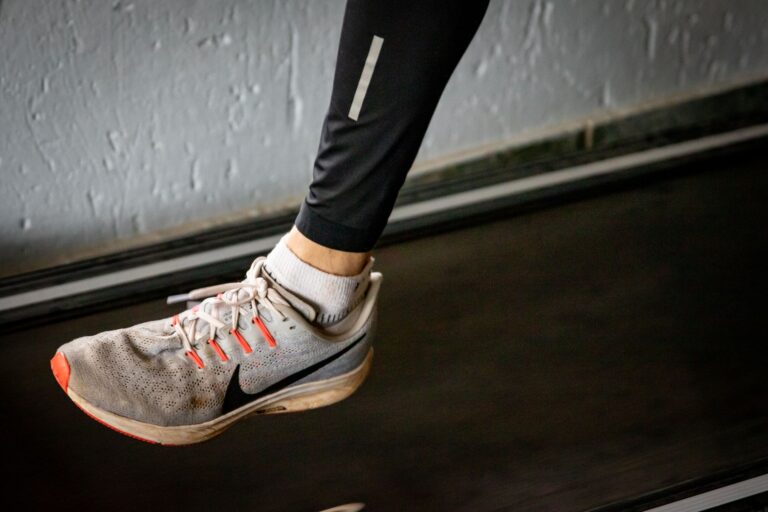
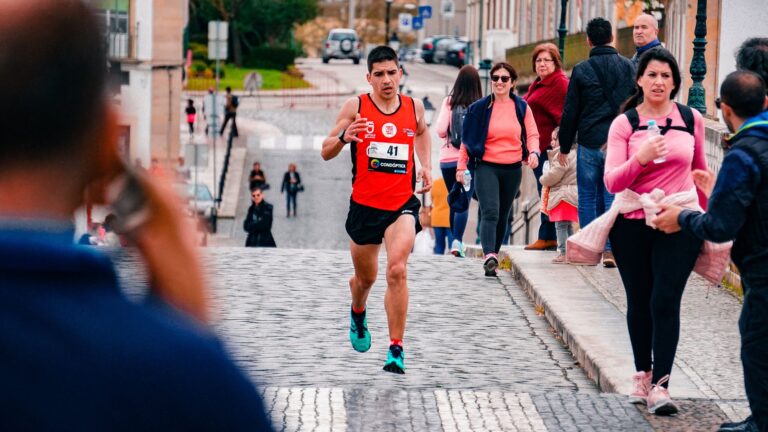
If you are carrying significant excess weight and want to start running, the single most important tip is to begin with a run-walk method rather than continuous running, and to do it on forgiving surfaces while wearing shoes built for higher loads. Running is not off-limits for people with obesity, but the approach has to account for the extra force traveling through your joints with every stride, the higher injury risk in the early weeks, and the genuine cardiovascular demand. The people who succeed almost never lace up and try to run a mile on day one. They run for 30 seconds, walk for two minutes, and repeat, building a base over weeks. Consider someone who weighs 280 pounds and decides to run.
Each footstrike sends roughly two to three times body weight through the knees and ankles, so the load is meaningfully different from what a 150-pound runner experiences. That is not a reason to avoid running. It is the reason to ramp slowly, prioritize strength and recovery, and treat early consistency as the goal rather than speed or distance. The good news is that the body adapts. Tendons strengthen, cardiovascular fitness improves quickly, and many heavier runners find that walking-to-running progressions get them to a continuous 5K within a few months. The tips below are organized to keep you injury-free long enough to reach that point.
Table of Contents
- Is It Safe for People with Obesity to Start Running?
- How to Build a Run-Walk Routine Without Getting Injured
- What Shoes and Gear Actually Matter for Heavier Runners
- Should You Run on Pavement, Trails, or a Treadmill?
- How to Protect Your Joints and Avoid Common Injuries
- Why Pacing and the Talk Test Beat Chasing Speed
- How Nutrition and Sleep Support a New Running Habit
- Frequently Asked Questions
Is It Safe for People with Obesity to Start Running?
For most people, yes, running is safe even at a higher body weight, provided you build up gradually and clear any serious medical concerns first. The American College of Sports Medicine recommends that people with obesity who have additional risk factors such as high blood pressure, diabetes, or a history of heart problems check with a physician before starting vigorous exercise. That is a screening step, not a disqualification. A doctor is far more likely to encourage you than to tell you to stop. The real safety issue is rarely the heart for a beginner moving at a conversational pace.
It is the musculoskeletal system. Knees, shins, ankles, and the plantar fascia take the brunt of repetitive impact, and overuse injuries like shin splints and runner’s knee show up most often when people increase volume too fast. Compare two beginners: one who follows a structured eight-week walk-run plan and one who tries to run continuously every day. The structured runner almost always lasts longer, because the body needs rest days to repair connective tissue that strengthens more slowly than muscle. A practical example: the widely used Couch to 5K program starts with 60-second running intervals separated by 90-second walks, totaling about 20 minutes. That structure exists precisely because it protects joints while building fitness, and it works just as well, often better, for heavier runners who simply repeat weeks as needed.
How to Build a Run-Walk Routine Without Getting Injured
The run-walk method, popularized by Olympian Jeff Galloway, is the backbone of safe running for people with obesity. Instead of viewing walking breaks as failure, you schedule them deliberately. A reasonable starting ratio might be 30 seconds of jogging to 90 seconds of walking, repeated for 20 to 25 minutes, three times per week. As that becomes comfortable, you extend the running segments rather than adding more days. The classic guideline is to increase total weekly mileage or time by no more than about 10 percent per week. The warning here is important: do not skip rest days, and do not progress on a schedule just because the calendar says so.
Connective tissue, including tendons and ligaments, adapts more slowly than your lungs and heart. You may feel cardiovascularly ready to run more while your Achilles tendon is not. Pushing through that gap is exactly how people develop tendinopathy, which can sideline you for months. If a specific joint hurts during a run, as opposed to general muscle fatigue, stop and reassess rather than running through it. A limitation worth naming: progress is not linear, and heavier runners sometimes need to repeat the same week two or three times. That is normal and not a sign of failure. The runner who repeats week three twice and stays healthy beats the runner who rushes ahead and ends up in physical therapy.
What Shoes and Gear Actually Matter for Heavier Runners
Footwear is one of the few pieces of gear that genuinely changes outcomes for heavier runners, because the right shoe manages the higher impact forces. Look for shoes with substantial cushioning and structural stability. Brands like Brooks, with the Adrenaline and Glycerin lines, ASICS Gel-Kayano and Gel-Nimbus, and Hoka models such as the Bondi are frequently recommended for higher body weights because of their generous midsole foam and supportive structure. A specialty running store can watch you walk and recommend based on your gait, which is worth more than any online review.
Beyond shoes, two items reduce day-to-day misery and help consistency. Moisture-wicking, anti-chafe clothing matters more at higher body weights because skin-on-skin friction at the inner thighs and underarms is a real problem; many runners use anti-chafe balm such as Body Glide or wear longer compression shorts. A supportive, high-impact bra is essential for women regardless of size, and even more so during running. One example of how gear interacts with injury risk: cushioned shoes typically need replacing every 300 to 500 miles, but heavier runners often compress the foam faster and may need new shoes closer to the lower end of that range. Running on dead, flattened midsoles is a common, avoidable cause of joint pain.
Should You Run on Pavement, Trails, or a Treadmill?
Surface choice is a genuine tradeoff, and each option has a clear upside and downside for heavier runners. Pavement is firm and predictable, which makes it efficient but also the highest-impact common surface. Treadmills offer cushioned belts that reduce impact slightly and let you control pace precisely, but the repetitive, identical stride can aggravate certain overuse issues and the experience bores many people. Soft trails and packed dirt reduce impact and strengthen stabilizing muscles, but uneven terrain raises the risk of ankle rolls, especially for beginners still developing balance and ankle strength.
A reasonable strategy is to mix surfaces. Many heavier runners do their structured intervals on a treadmill, where they can stop instantly and the belt is forgiving, then graduate to outdoor running on packed paths once their base is solid. Grass and rubberized tracks are also excellent low-impact options; a standard 400-meter track at a local school or park is flat, measured, and softer than concrete. The comparison that matters most: a treadmill you will actually use beats the perfect outdoor route you skip because of weather or self-consciousness. Adherence trumps surface optimization every time, so weigh convenience and enjoyment as heavily as impact reduction.
How to Protect Your Joints and Avoid Common Injuries
Strength training is the most underrated joint-protection tool for heavier runners, and skipping it is a frequent mistake. Strong glutes, quadriceps, hamstrings, and calves absorb force that would otherwise hammer the joints, and exercises like squats, glute bridges, step-ups, and calf raises directly support the knees and ankles. Two short strength sessions per week meaningfully reduce injury rates. Stretching alone does not provide this protection; mobility and stability work together. Watch closely for the warning signs of the most common beginner injuries.
Shin splints announce themselves as aching along the front of the lower leg; plantar fasciitis shows up as sharp heel pain with the first steps in the morning; runner’s knee produces a dull ache around or behind the kneecap, often worse going downstairs. The limitation to accept here is that these conditions worsen if ignored. A twinge handled with a few rest days is minor; the same twinge run through for three weeks can become a chronic problem requiring months of rehab. A specific warning about heat and exertion: heavier bodies generate and retain more heat, so the risk of overheating during summer running is real. Run in the early morning or evening, hydrate before you feel thirsty, and slow down or stop if you feel dizzy, nauseated, or stop sweating. These are not signs to push through.
Why Pacing and the Talk Test Beat Chasing Speed
New runners, regardless of weight, almost always start too fast, and for heavier runners that mistake compounds injury and burnout risk. The simplest pacing tool is the talk test: you should be able to speak in full sentences while running. If you can only gasp out single words, you are going too hard for base-building, and you will likely cut the workout short or hurt yourself.
For example, a beginner aiming to jog a 30-second interval should feel like they could keep talking the whole time. If a comfortable jogging pace still leaves you breathless, slow to a brisk walk and let your fitness catch up over the weeks. There is no prize for fast early; the runners who go easy enough to enjoy it are the ones still running a year later.
How Nutrition and Sleep Support a New Running Habit
Running burns a meaningful number of calories, but it is not, on its own, a reliable weight-loss strategy because appetite often rises to match the effort and a single rich snack can offset a 30-minute run. People who combine running with attention to overall diet tend to see better body-composition results than those who rely on mileage alone. Treat running as the engine for fitness, cardiovascular health, and mood, and treat the kitchen as where weight change is mostly decided.
Recovery is the other half of the equation. Sleep is when tendons, muscles, and connective tissue repair and strengthen, so chronic short sleep undercuts the very adaptation you are training for. Adequate protein supports muscle repair, and basic hydration affects both performance and joint comfort. A concrete habit that helps: eat a small carbohydrate-and-protein snack, such as a banana with peanut butter or yogurt, within an hour after longer runs to support recovery.
Frequently Asked Questions
How much should a heavier person run when first starting?
Begin with three sessions a week of run-walk intervals totaling 20 to 25 minutes, such as 30 seconds jogging and 90 seconds walking, and increase weekly time by no more than about 10 percent.
Is running bad for your knees if you are overweight?
Running increases joint load, but with gradual progression, strength training, and proper shoes, most heavier runners build knee resilience rather than damage. Pain in a specific joint, as opposed to general fatigue, is the signal to rest.
What running shoes are best for higher body weights?
Maximally cushioned, stable models such as Brooks Adrenaline or Glycerin, ASICS Gel-Kayano or Gel-Nimbus, and Hoka Bondi are common recommendations. A gait analysis at a specialty store is the best way to choose.
Will running help me lose weight?
Running burns calories and improves fitness, but weight loss depends heavily on overall diet, since appetite often rises with training. Pairing running with mindful eating produces better results than mileage alone.
How do I prevent chafing during runs?
Wear moisture-wicking fabric and longer compression shorts, and apply an anti-chafe balm such as Body Glide to the inner thighs and underarms before running.