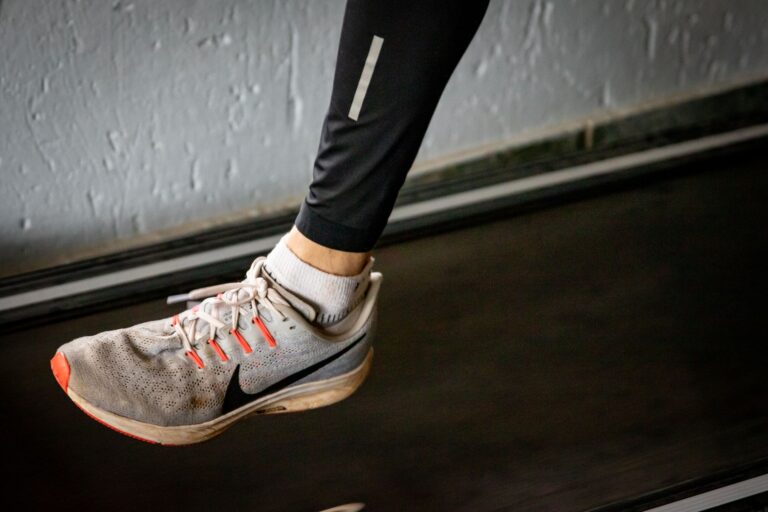
Glow bands for ankles and wrists are lightweight, reflective or LED-lit accessories worn during running to increase your visibility to traffic and other people. For early morning or evening runners, they function as a low-cost safety layer that reduces the risk of being hit by a car or missed by fellow cyclists and runners sharing the road. A runner training at 6 a.m. on a suburban street with poor street lighting becomes immediately visible to oncoming traffic within a driver’s headlight range when wearing a basic LED ankle band, whereas the same runner in dark clothing is nearly invisible until 20-30 feet away—a distance that’s too short for safe evasive action in many situations.
These bands come in two main varieties: passive reflective bands that bounce light from external sources like car headlights, and active LED bands that generate their own light through batteries. The choice between them depends on your running environment, budget, and preferences. Reflective bands cost $5-15 and last indefinitely, while LED bands range from $15-50 and require battery replacements or recharging. Both attach easily with Velcro straps and add minimal weight to your wrist or ankle during a run.
Table of Contents
- How Do Reflective vs. LED Glow Bands Compare for Running Safety?
- What Are the Common Limitations and Durability Issues?
- When and Where Should You Actually Wear Glow Bands?
- How Should You Choose the Right Glow Band for Your Running?
- What Are the Safety Considerations Beyond Just Wearing Bands?
- Specialized Glow Bands for Different Running Scenarios
- The Future of Glow Band Technology
- Conclusion
- Frequently Asked Questions
How Do Reflective vs. LED Glow Bands Compare for Running Safety?
Reflective bands work on the principle of retroreflection—they contain microscopic glass beads or prisms that reflect light directly back toward its source. When a car’s headlights hit a reflective ankle band, that light bounces straight back to the driver’s eyes, making you suddenly appear against the dark road. The downside is that reflective bands only work when there’s a light source nearby. On a pitch-black country road with no street lights and no approaching vehicles, a reflective band is invisible. They also become less effective when wet or muddy, as dirt coating reduces the reflective properties.
LED bands, by contrast, actively produce light and work in any condition. A runner wearing LED ankle bands is visible even in complete darkness, even when no cars are nearby. The trade-off is durability and maintenance—cheap LED bands often have weak batteries that die within a month, and many runners forget to recharge them. Higher-quality LED bands from brands that focus on running gear tend to last through several years of regular use, though the initial cost is higher. For urban runners with frequent street lights and vehicular traffic, reflective bands often provide sufficient safety. For trail runners or those running in rural areas with minimal ambient light, LED bands offer more comprehensive visibility.

What Are the Common Limitations and Durability Issues?
The most frequent problem with glow bands is that they either don’t stay in place or they slip down after a few kilometers of running. Ankle bands in particular migrate downward as your leg sweats and flexes during your stride. A band that starts at mid-ankle can slide down to your instep within 15 minutes, reducing its visibility benefit since it’s now hidden by your shoe. Wrist bands face a different problem—they can rotate around your wrist and end up on the underside of your arm, where the light or reflective surface faces inward instead of outward. Investing in bands with genuinely strong Velcro and adjustable straps matters more than the actual light technology. Cheap bands with thin, low-grip Velcro will frustrate you into abandoning them within weeks.
Durability varies dramatically by price point. Bands under $10 often use weak plastic casings that crack after a few months of exposure to sweat, rain, and UV light. The seams fail, batteries corrode, and the reflective coating degrades. Spending $25-40 on a quality band from a running-focused brand typically means you’ll get one that lasts 2-3 years of regular use. However, even quality bands have a lifespan. The reflective coating gradually loses effectiveness as microscopic surface damage accumulates from exposure and cleaning. Most runners replace their bands every 18-24 months even if they still technically work.
When and Where Should You Actually Wear Glow Bands?
Glow bands are most effective during low-light conditions—early morning runs before sunrise, evening runs after sunset, and any running during overcast or rainy weather when ambient light is reduced. A runner in broad daylight wearing glow bands gains almost no safety benefit from them. Your visibility in daylight comes from your clothing color and contrast with the background, not from tiny ankle accessories. Where glow bands make a measurable difference is during the hours when human vision is compromised by darkness. Studies on pedestrian accidents show that unlit runners are struck at rates 7-10 times higher than those wearing any form of visibility aid.
The specific location you wear them also matters. Ankle bands are most visible to drivers ahead and behind you because your legs are in constant motion, creating a bobbing, moving light target that attracts visual attention more effectively than a static light source. Wrist bands are more visible to approaching traffic from the side because your arms swing across your body. The best practice is wearing both—one on each ankle or one on each wrist—to provide 360-degree visibility. Some runners use one ankle band and one wrist band as a compromise between maximum visibility and minimal clutter. Trail runners often wear ankle bands even in daylight because other trail users—cyclists, horseback riders, other runners—benefit from the movement-based visibility on single-track terrain where surprise encounters are more likely.
How Should You Choose the Right Glow Band for Your Running?
Start by evaluating your typical running environment. If you run exclusively in well-lit urban areas during daylight, even cheap reflective bands will suffice for occasional use. If you run regularly before dawn or after dusk in suburban or rural areas, invest in LED bands with reputation for quality and battery life—expect to spend $30-50. For trail runners, passive reflective bands often work better than LEDs because trails have irregular lighting conditions and the movement of reflective bands naturally catches eyes, while LED bands can fail if the batteries die mid-run with no way to replace them on the trail. The fit and attachment method matters as much as the light technology. Try bands on in a store if possible to verify they’re comfortable around your ankle or wrist and that the Velcro grips firmly without being uncomfortable.
Wider bands distribute pressure better than thin ones and tend to stay in place during running. For ankle bands specifically, look for models with a slight curve or anatomical design that follows your leg rather than straight bands that tend to slip. Battery life is worth investigating before purchase—read recent reviews to find out if users report batteries lasting weeks or months of regular running. A band with four-week battery life is problematic if you run daily; you’ll be recharging constantly. Finally, consider water resistance. Bands will get wet from rain and sweat. Some high-end models are fully waterproof, while budget models might corrode or fail when submerged.
What Are the Safety Considerations Beyond Just Wearing Bands?
Glow bands are a visibility aid, not a substitute for situational awareness. Runners who wear glow bands sometimes develop a false sense of security and stop paying attention to traffic patterns and road hazards. A driver might see your glow band but still turn into your path if they’re distracted or misjudge your speed. Treating glow bands as part of a larger safety strategy—running against traffic direction, using crosswalks, running with earbuds out or volume low enough to hear vehicles—is essential.
The band makes you visible, but you still need to be aware and ready to move. Another limitation is that not all drivers notice small, moving lights the way they notice large, obvious obstacles. Some drivers are colorblind or have reduced night vision, and on high-speed roads where drivers expect pedestrians, they might not be scanning ankle-level for hazards. This doesn’t mean glow bands don’t work, but rather that they’re one layer of protection in an environment where the burden of safety falls disproportionately on you as a runner. Wearing high-visibility colors in addition to glow bands, choosing routes with sidewalks or trails rather than road shoulders, and varying your running times to avoid peak traffic are all complementary strategies that work together with glow bands.

Specialized Glow Bands for Different Running Scenarios
Runners training for organized events sometimes use glow bands specifically designed for race participation. Some organized running events or trail races require visibility aids, and lightweight glow bands are the standard choice. Ultramarathon runners who cover 50-100 miles often use glow bands, as a significant portion of their run occurs during low-light hours. For these extended efforts, bands with long battery life or rechargeable options become essential—running a 12-hour night event with a band that dies at hour four defeats the purpose.
Trail runners using glow bands might prioritize ankle bands over wrist bands, since trails are narrower and visual attention is closer to the ground. A cyclist or equestrian encountering you on a dark trail will spot moving ankle-level lights more easily than wrist lights. Some trail runners use glow bands in combination with helmet lights or clip-on lights for maximum visibility on technical terrain where falling is a real risk. The helmet light helps with your own vision, while the glow bands help others see you.
The Future of Glow Band Technology
Glow band technology has remained relatively static for years, but newer options are emerging. Rechargeable LED bands are becoming more common, reducing the frustration and cost of constantly buying replacement batteries. Some brands are experimenting with USB-rechargeable designs that can be charged via any standard phone charger, making them more practical for regular runners.
The reflective materials are also improving, with some newer bands using enhanced retroreflective coatings that work at longer distances than traditional models. The running community has started recognizing glow bands as standard safety equipment rather than optional accessories, similar to how helmets shifted from niche items to expected gear for cyclists. This cultural shift may drive more innovation and better products as manufacturers recognize a growing market willing to pay for quality visibility aids. For now, the fundamental choice remains the same: reflective for passive visibility in lit areas, LED for active visibility in darkness, with the understanding that both work best when paired with smart route choices and situational awareness.
Conclusion
Glow bands for ankles and wrists are practical, affordable safety tools that increase your visibility to traffic and other people during low-light running. Reflective bands work well in areas with ambient light sources like street lights and car headlights, while LED bands provide visibility in complete darkness. The choice between them depends on your running environment, schedule, and willingness to maintain batteries or charging systems.
The most important step is choosing a band with good Velcro, a comfortable fit, and durability that matches your running frequency. A $5 band that falls off after one run wastes money; a $40 quality band worn consistently for two years is the real value. Wear glow bands as part of a larger safety strategy that includes route selection, traffic awareness, and visible clothing, recognizing that they improve your chances of being seen but don’t eliminate the need for your own vigilance on the road.
Frequently Asked Questions
Do glow bands really prevent accidents?
Glow bands significantly improve visibility, and studies show lit or reflective runners are hit by vehicles at a fraction of the rate of unlit runners. However, they don’t eliminate risk—driver inattention and high-speed traffic still pose dangers. They’re a critical layer of protection, not complete protection.
Can I wear glow bands during daytime running?
Glow bands provide minimal benefit during daylight since visibility depends on clothing color and contrast, not on small lights at ankle or wrist level. Save them for low-light hours to extend battery life and reduce clutter.
How long do LED glow band batteries last?
This varies significantly. Budget bands might last 2-4 weeks of regular running. Mid-range bands typically last 4-8 weeks. High-quality rechargeable bands can last months between charges. Check recent reviews for the specific model you’re considering.
Should I wear glow bands on my ankles or wrists?
Ankle bands are more visible to forward and rear traffic due to the motion of your legs. Wrist bands are better for side visibility. Wearing both provides comprehensive visibility. For trail running, ankle bands are typically preferred.
Are reflective bands better than LED bands?
Neither is universally better—it depends on your environment. Reflective bands work in areas with street lights and traffic, require no maintenance, and last indefinitely. LED bands work in complete darkness and require battery maintenance. Most runners benefit from having both options.
How do I keep glow bands from slipping down?
Look for bands with strong Velcro and an anatomical or curved design. Wide bands stay in place better than thin ones. Some runners add a second band overtop to secure the first, or wear slightly tighter compression socks to reduce leg sweating that causes slipping.