A high-impact sports bra is essential for runners who want to minimize breast movement, reduce discomfort, and protect against long-term tissue damage during intense training. The constant vertical and horizontal motion from running—especially at faster paces or over longer distances—creates significant stress on the delicate Cooper’s ligaments that support breast tissue. Without adequate support, this repeated impact can lead to soreness, sagging, and diminished performance.
A properly fitted high-impact sports bra absorbs and stabilizes this motion, allowing you to focus on your run rather than managing discomfort. The key difference between a standard bra and a high-impact sports bra lies in construction. High-impact designs use multiple layers of fabric, underwire or structured cups, thicker straps, and reinforced bands to contain movement while distributing pressure evenly. For a runner doing eight-minute miles for five miles, the breasts experience hundreds of micro-impacts; a quality high-impact bra can reduce movement by up to 75 percent compared to wearing nothing, which makes the difference between a comfortable workout and one where you’re fighting pain and distraction.
Table of Contents
- What Makes a Sports Bra Suitable for High-Impact Running?
- The Importance of Proper Fit and Measurement
- Impact of Breast Size on Sports Bra Selection
- Choosing Between Underwire and Non-Underwire High-Impact Bras
- Common Problems and How to Prevent Them
- The Role of Replacing Your Sports Bra on Schedule
- The Future of High-Impact Sports Bra Technology
- Conclusion
- Frequently Asked Questions
What Makes a Sports Bra Suitable for High-Impact Running?
The best high-impact sports bras share specific structural features designed to handle the demands of running. Encapsulation—where each breast is held separately in its own cup rather than compressed against the chest—is crucial. This design reduces stress on the surrounding tissue and prevents the breast tissue from collapsing toward the center, which happens with compression-only bras. The band should sit snugly without riding up, the straps should be wide and angled to prevent shoulder strain, and the overall support should feel firm but not constricting. Materials also play a significant role.
Most high-impact sports bras use a combination of nylon, spandex, and sometimes moisture-wicking synthetics like polyester. Some brands incorporate specialized fabrics with built-in support grids or gel inserts in specific zones. The underwire or structured cups—present in the majority of high-impact styles—help maintain shape and provide consistent lift throughout your run. Without these features, even a snug bra will allow too much bounce, especially in the vertical direction where most of the impact occurs. When comparing two popular options, a compression-based bra (like many offered by mass-market athletic brands) might cost $35–45 and work adequately for light jogging, but a true high-impact encapsulation sports bra from a specialty brand can run $65–120 and will provide noticeably better support and longevity. The investment pays dividends if you’re running regularly, as the bra will maintain its elasticity longer and require replacement less frequently.

The Importance of Proper Fit and Measurement
Finding the right size is more critical for sports bras than for everyday lingerie, yet most runners guess rather than measure. Band size should be snug enough that the bra doesn’t ride up during vigorous movement, but not so tight that it restricts breathing or causes shoulder pain. Many runners make the mistake of buying a band size that’s too large because they prefer comfort over support, which backfires when the bra migrates upward mid-run and loses all containment. Cup size matters equally. A common misconception is that “one size fits most” sports bras work across a wide range of breast sizes; in reality, significant band or cup size variations require different bra styles.
A runner with a B cup and a D cup will have entirely different movement patterns and support needs. If your usual bra size is a 34B, your sports bra should be fitted the same way—not upsized to accommodate tightness. If a high-impact sports bra feels too tight, the fix is usually getting a larger band size or a different cup size, not accepting discomfort. A major limitation of online shopping is the inability to try on a bra before purchase. Many specialty running stores offer fitting services where staff measure you and let you jog in place or on a treadmill to test fit. This upfront effort eliminates expensive returns and ensures you find a bra that truly works for your body.
Impact of Breast Size on Sports Bra Selection
Larger breast sizes require dramatically different bra designs than smaller sizes, and this isn’t something most mainstream athletic retailers adequately address. A runner with larger breasts needs more structured support, thicker straps, and often a wider band to prevent digging. The movement of larger breasts also tends to be more multidirectional—side-to-side as well as vertical—so a bra must control motion in multiple planes simultaneously. For example, a runner with a D or larger cup size who tries a basic compression-style sports bra will likely experience significant bounce and discomfort, along with rapid deterioration of the bra’s elastic properties.
Brands that specialize in larger cup sizes (such as Panache Sport, Freya Active, or other UK-based lingerie companies) engineer their high-impact bras with this reality in mind. Smaller-breasted runners, by contrast, can sometimes get away with a simpler compression design, though a well-fitted encapsulation bra will still perform better. Conversely, smaller-breasted runners sometimes feel that high-impact sports bras marketed with heavy wire or thick straps are overkill for their support needs. This is partly true—the same level of infrastructure isn’t required—but it’s also worth considering that even small breasts experience impact and benefit from proper support, even if the visual effect of movement is less noticeable.
Choosing Between Underwire and Non-Underwire High-Impact Bras
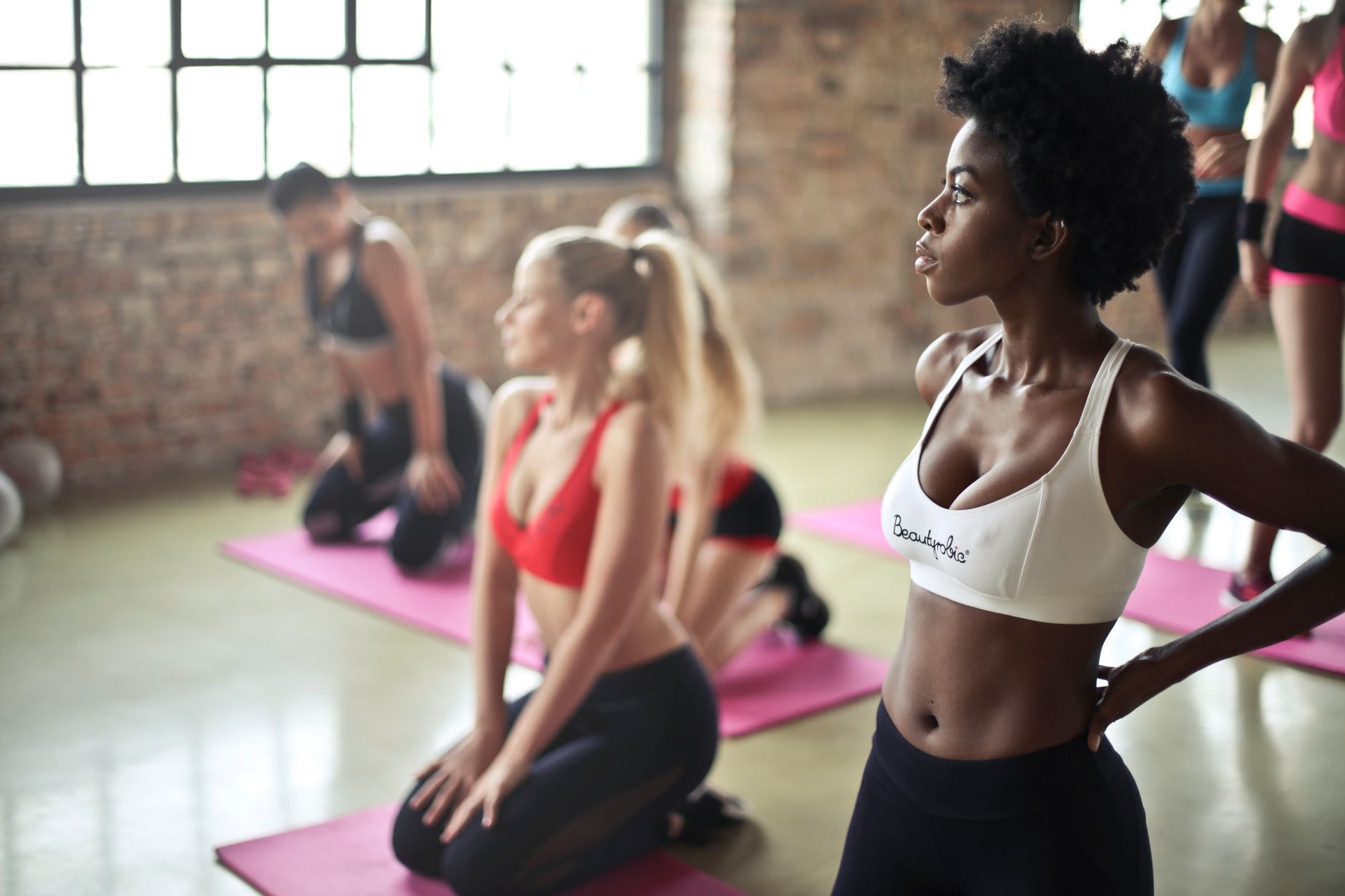
Many runners avoid underwire sports bras because they assume underwires are uncomfortable or that they restrict movement. In reality, a properly fitted underwire high-impact bra distributes pressure more evenly than a non-underwire design and often provides superior support, especially during longer runs. The underwire sits underneath the breast tissue and provides lift and separation, preventing the tissue from spreading outward or downward during impact. Non-underwire high-impact bras instead rely on structured cups, thicker fabrication, or compression to provide support. These bras tend to feel lighter and more flexible, which appeals to runners who prioritize comfort and a minimalist feel. However, they typically offer less consistent support over time as the fabric gradually loses elasticity.
A non-underwire bra might feel adequate after six months, but by month ten it’s noticeably less supportive, whereas a quality underwire bra maintains performance for longer. The tradeoff is partly personal preference and partly practical. If you run in very hot, humid conditions and sweat heavily, a non-underwire design allows more ventilation. If you run in cooler climates or prefer maximal support, an underwire bra generally outperforms. Testing both types through return-friendly retailers is the only way to know which suits your body and running style. Some runners even maintain two sports bras—one underwire for longer, faster runs and one non-underwire for shorter, easier efforts—to optimize performance and extend the lifespan of both.
Common Problems and How to Prevent Them
Sports bra problems often signal a fit issue rather than a design flaw. Strap slippage—where the shoulder strap slides down your arm during a run—usually means either the band is too large or the bra’s overall construction is loose. Chafing around the band or under the arms typically indicates the band is riding up or the bra is shifting during movement. Back pain or shoulder pain from shoulder straps can mean the straps are too wide or pulling inward at an angle that doesn’t match your shoulder anatomy. One underestimated problem is underwire breakage or damage from improper washing.
Underwire sports bras require hand washing or a gentle machine cycle; tumble drying or aggressive washing degrades the underwire’s covering and causes it to poke through the fabric. Once the underwire is exposed, the bra becomes uncomfortable and potentially damaging to your skin. Always wash high-impact sports bras in cool water, air dry, and never put them in the dryer. Another warning: if you’re experiencing new shoulder, neck, or back pain coinciding with starting a new sports bra, don’t assume you just need to adjust to it. Pain is a sign of incorrect fit. Give yourself a few runs to adapt to the feel of a new bra, but if discomfort persists or worsens, the bra is not right for your body, and continuing to wear it could lead to injury.
The Role of Replacing Your Sports Bra on Schedule
Most high-quality sports bras have an effective lifespan of 18 to 24 months with regular use (three to five runs per week), though this varies by brand, construction, and care. After this period, the elastic loses its recovery capacity, the underwire (if present) may shift inside the cup, and overall support degrades. Many runners try to extend the life of a favorite bra by continuing to wear it well past this point, but doing so sacrifices the support you’ve come to rely on. A practical approach is to own at least two high-impact sports bras and rotate between them.
This extends the lifespan of each bra by allowing the elastic to fully recover between wears, and it ensures you always have a backup if one bra needs washing or repair. If you do 75 running miles per month (roughly 12 runs on a bra, depending on run length), replacing one bra per year is a reasonable cycle. Consider this a maintenance cost of running, similar to shoes or fuel. Documenting the month you purchase each bra helps you track when replacement is due.
The Future of High-Impact Sports Bra Technology
Sports bra design continues to evolve, with innovations in moisture-wicking, temperature regulation, and customizable support. Some newer designs feature adjustable straps or modular cup systems that let you swap components rather than replace the entire bra. 3D knitting technology is beginning to appear in high-impact bras, allowing for more precise engineering of support zones and reducing excess material where it’s not needed.
What remains constant is the fundamental need for proper fit and regular replacement. No amount of technological advancement replaces the importance of finding a bra that suits your individual anatomy and maintaining it well. As more research focuses on the biomechanics of running and breast support, we’ll likely see continued refinement of designs, but the basics—adequate encapsulation, proper fit, and scheduled replacement—will remain the cornerstones of choosing a high-impact sports bra.
Conclusion
Selecting a high-impact sports bra is one of the most impactful investments a runner can make for comfort and long-term tissue health. The right bra minimizes bounce, reduces pain, and allows you to focus on your training rather than managing discomfort. Finding your correct size, choosing between underwire and non-underwire options based on your needs, and replacing your bra on schedule are the three key steps to success.
Start by getting professionally fitted if possible, then try on at least two bras in your size from different brands to see which design works best for your body. Pay attention to fit during your first few runs and don’t accept pain or slippage as normal. With the right high-impact sports bra in rotation, you’ll notice an immediate difference in how you feel during and after your runs.
Frequently Asked Questions
How tight should a sports bra band be?
The band should feel snug and not ride up when you jump or run, but you should be able to fit one finger under it comfortably. If you can fit your whole hand under the band, it’s too loose.
What’s the difference between a regular bra and a sports bra?
A sports bra is designed to minimize movement and impact-related stress through reinforced cups, wider straps, a firm band, and often encapsulation or compression technology. A regular bra prioritizes aesthetics and comfort for everyday wear, not athletic movement.
Do I need a different bra for different types of running?
For high-impact activities like fast-paced running or trail running, a high-impact sports bra is essential. Lower-impact activities like walking or yoga may be fine with a moderate-impact bra. Most runners benefit from having at least one dedicated high-impact bra for their regular training.
How often should I wash my sports bra?
Wash your sports bra after 3 to 5 wears, or whenever it’s visibly soiled or smells. Hand wash in cool water and air dry. Avoid the dryer and bleach, which damage the elastic and underwire covering.
Why is my sports bra uncomfortable if I buy the right size?
Discomfort often signals a fit issue with a different dimension (band size, cup size, strap angle, or underwire width) rather than the overall size. Try a different band size or cup size, or test a different brand whose proportions may match your body better.
How long does a high-impact sports bra last?
With regular use (3–5 times per week), expect 18 to 24 months before the elastic loses its recovery and support degrades. Rotating between two bras extends the lifespan of each one.