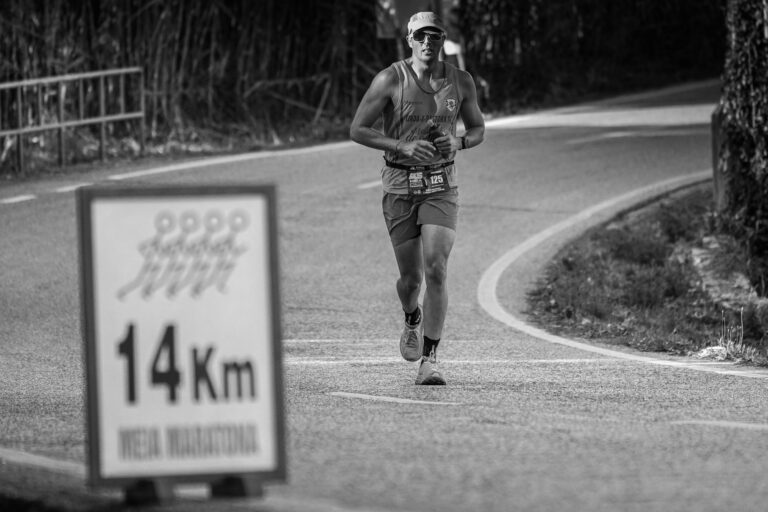
Yes, you can run safely with bad knees, but it requires significant modifications to how you approach running and a realistic assessment of your specific knee condition. The key is not whether running itself is possible, but whether your particular knee issue can tolerate the impact forces that come with it. Someone with mild patellofemoral pain might successfully run with the right form adjustments, while someone with severe osteoarthritis or a torn meniscus may need to explore lower-impact activities entirely.
The difference comes down to understanding your diagnosis, making strategic changes to training intensity and volume, and sometimes working with a physical therapist to address underlying weakness or imbalance. Running with compromised knees isn’t about pushing through pain or ignoring limitations—it’s about creating conditions where your knees can tolerate the activity. A runner with chronically tight hip flexors and weak glutes, for example, might experience sharp knee pain during regular running but find that four weeks of targeted strengthening, plus switching to a treadmill (which is slightly softer than pavement), allows pain-free running at reduced speed. The adjustment period can be frustrating, but many runners successfully return to regular training once they’ve addressed the root cause rather than just the symptom.
Table of Contents
- WHAT TYPES OF BAD KNEES ARE COMPATIBLE WITH RUNNING?
- THE ROLE OF PROPER DIAGNOSIS AND MEDICAL CLEARANCE
- BIOMECHANICAL ADJUSTMENTS THAT REDUCE KNEE STRESS
- REDUCING RUNNING VOLUME AND INTENSITY
- SURFACE CHOICE AND FOOTWEAR CONSIDERATIONS
- CROSS-TRAINING AND COMPLEMENTARY ACTIVITIES
- LONG-TERM ADAPTATION AND RETURN-TO-RUNNING PROGRESSION
- Conclusion
- Frequently Asked Questions
WHAT TYPES OF BAD KNEES ARE COMPATIBLE WITH RUNNING?
Not all knee problems are created equal when it comes to running compatibility. Structural issues like severe meniscus tears, ACL injuries, or advanced osteoarthritis typically require medical clearance and often mean stepping back from running entirely or at minimum switching to walking or pool-based exercise. Functional issues—things like runner’s knee (patellofemoral pain syndrome), IT band syndrome, or muscle imbalances—are much more amenable to modification and often improve with proper training adjustments. The distinction matters because it determines whether running is contraindicated or simply requires a different approach.
Consider the example of a 45-year-old runner with mild osteoarthritis in one knee, confirmed by imaging. Running on that knee isn’t dangerous in itself; the cartilage won’t further degrade from moderate-intensity running. But high-impact activities like sprinting, plyometrics, or long trail runs on uneven ground might trigger inflammation or pain that makes running unpleasant. This runner might comfortably maintain a routine of easy-paced runs three times a week on smooth surfaces while adding low-impact cross-training like cycling or swimming to maintain aerobic fitness.

THE ROLE OF PROPER DIAGNOSIS AND MEDICAL CLEARANCE
Before attempting to run with bad knees, you need an actual diagnosis, not just a vague assumption that your knees are “bad.” Knee pain can stem from your foot strike pattern, hip weakness, tight calf muscles, or a dozen other factors that aren’t actually wrong with the knee itself. Getting assessed by a sports medicine doctor or physical therapist is essential—this isn’t about being overly cautious, it’s about knowing what you’re actually dealing with. Many runners skip this step and either quit running unnecessarily or press forward and injure themselves more severely. The limitation here is important: medical clearance doesn’t mean your knees are fixed or that you’ll never experience discomfort.
It means a qualified professional has determined that running, potentially with modifications, is medically safe for your specific condition. That’s different from pain-free running. You might get cleared to run with mild, manageable discomfort that doesn’t worsen your underlying condition. You also need to understand the progression—a doctor might clear you to run 20 minutes easy but explicitly advise against speed work or hill training, at least initially.
BIOMECHANICAL ADJUSTMENTS THAT REDUCE KNEE STRESS
How you run matters significantly when you have compromised knees. A heavy heel-strike pattern creates a braking force that travels up through your knee every single footfall, while a midfoot or forefoot strike pattern distributes impact more gradually. Similarly, excessive vertical oscillation (bouncing up and down rather than moving forward) puts unnecessary stress on your joints. These aren’t small adjustments—changing your running mechanics can be the difference between painful and painless running.
Strengthening the muscles that support the knee—particularly the glutes and quadriceps—is often more effective than any other single intervention. A runner with weak glutes tends to let their knee collapse inward (valgus collapse) with each step, which stresses the inner knee structures. Someone with a simple four-week progressive glute-strengthening program often finds that knee pain disappears even though they haven’t changed their running volume. Similarly, addressing ankle mobility or calf flexibility can take pressure off the knee joint by changing how forces are distributed through your lower leg.

REDUCING RUNNING VOLUME AND INTENSITY
The first and most straightforward modification for running with bad knees is reducing how much impact you’re asking them to absorb. This might mean cutting your weekly mileage in half while you build up tolerance, doing run-walk intervals instead of continuous running, or switching from four runs a week to two. These aren’t permanent restrictions for everyone—they’re often temporary adjustments while you address underlying weaknesses or allow inflammation to settle. Intensity matters as much as volume.
Easy-paced running is dramatically less stressful on the knees than tempo runs, intervals, or long runs. A runner with knee problems might maintain fitness with three 30-minute easy runs per week while temporarily eliminating their speed work. Once their knees adapt and underlying issues resolve, they can gradually reintroduce harder workouts. This represents a genuine tradeoff: you get less running and less training stimulus in the short term, but you also get to keep running rather than stop entirely.
SURFACE CHOICE AND FOOTWEAR CONSIDERATIONS
The surface you run on directly impacts the stress your knees experience. Concrete and asphalt are unforgiving, while softer surfaces like treadmills, tracks, or dirt trails distribute impact more gently. A runner with knee pain might find that they can’t tolerate road running but run comfortably on a treadmill, which absorbs some of the impact force. Trail running sounds softer but actually involves uneven surfaces and constant micro-adjustments, which can aggravate knees if not handled carefully.
Footwear also plays a role, though it’s often overstated. If you have significant overpronation (your foot rolling inward excessively), a stability shoe or custom orthotic might help correct your gait and reduce knee stress. However, simply buying expensive running shoes won’t fix bad knees—the shoe is a tool that works best when combined with proper training and strength work. A warning here: changing shoes abruptly can itself cause injury, so if you switch to a different style or brand, do it gradually alongside a reduced running volume.

CROSS-TRAINING AND COMPLEMENTARY ACTIVITIES
Cross-training isn’t a replacement for running, but it’s essential when you have bad knees. Cycling, pool running, elliptical training, and rowing all maintain aerobic fitness with significantly less impact than running. A runner with knee problems might maintain their cardiovascular base by cycling three days a week while doing one easy run, eventually building back to more running as their knees adapt. This approach keeps you active and prevents fitness loss while your knee issues resolve.
Consider the example of a marathoner whose knees deteriorated from five years of high mileage. Rather than quit running entirely, they transitioned to a mixed training approach: one easy run, two hard pool workouts, and one day of cycling per week. Over six months, their knees recovered enough to add back a second running day and occasional tempo efforts. They never returned to their former marathon training volume, but they continued running comfortably and even raced shorter distances.
LONG-TERM ADAPTATION AND RETURN-TO-RUNNING PROGRESSION
Many runners successfully return to higher mileage and intensity with patience. The progression typically looks like: addressing strength deficits and mobility issues, establishing a tolerable base of easy running, gradually increasing volume while monitoring symptoms, and eventually reintroducing some intensity. This process often takes 8-12 weeks, sometimes longer.
It’s not exciting, but it works. The forward-looking reality is that running with bad knees is increasingly common as more people train at higher volumes and speeds. Understanding your specific limitations, staying consistent with strength work, and being willing to modify your training when symptoms return are the skills that let runners extend their careers despite knee issues. Your knees might never be perfect, but they can be functional enough for comfortable running well into your future.
Conclusion
Running safely with bad knees is absolutely possible, but it requires three essential components: an accurate medical diagnosis, targeted strength and mobility work, and realistic modifications to your training plan. The specific approach depends entirely on your diagnosis, severity, and individual response to training adjustments. Some runners need minimal changes; others need to reduce volume significantly or shift to a blend of running and cross-training.
The key is viewing knee problems not as a permanent barrier to running, but as information that tells you to run differently. Address the underlying issues, listen to what your body is telling you, and don’t confuse manageable discomfort with dangerous pain. Many runners maintain satisfying running lives for decades despite less-than-perfect knees—yours can be one of them.
Frequently Asked Questions
Is running bad for knees with arthritis?
No, moderate running doesn’t worsen arthritis and may help manage it by keeping surrounding muscles strong. High-impact activities like sprinting or jumping are more problematic. Most people with mild to moderate osteoarthritis can run comfortably with appropriate volume and intensity modifications.
How long does it take to run pain-free with bad knees?
It varies widely depending on the underlying issue. Functional problems like muscle imbalances often improve in 4-8 weeks with targeted work. Structural issues or severe conditions might take 3-6 months or longer. Some runners manage their knees indefinitely but never achieve completely pain-free running.
Should I run every day if I have knee problems?
No. Rest days are more important with compromised knees. Most runners with knee issues do best with 2-3 running days per week mixed with cross-training or rest days. Daily running often prevents recovery and allows inflammation to accumulate.
Can strengthening my glutes actually fix knee pain?
Yes, often. Many cases of runner’s knee and knee pain stem from glute weakness and hip imbalance. Four to six weeks of consistent glute strengthening resolves the problem for many runners even without other modifications.
What’s the difference between running through pain and running injured?
Running through pain means accepting mild discomfort that doesn’t worsen your condition—this is often acceptable. Running injured means continuing a movement pattern that’s actively damaging tissue—this should stop immediately. The distinction matters, but it requires honest self-assessment.
Can I ever return to long-distance running with bad knees?
Maybe. Some runners with well-managed knee issues successfully train for and complete marathons. Others find that their knees tolerate shorter distances better. It depends on your specific condition and how well you address underlying issues. Have realistic expectations set by your doctor or physical therapist.