
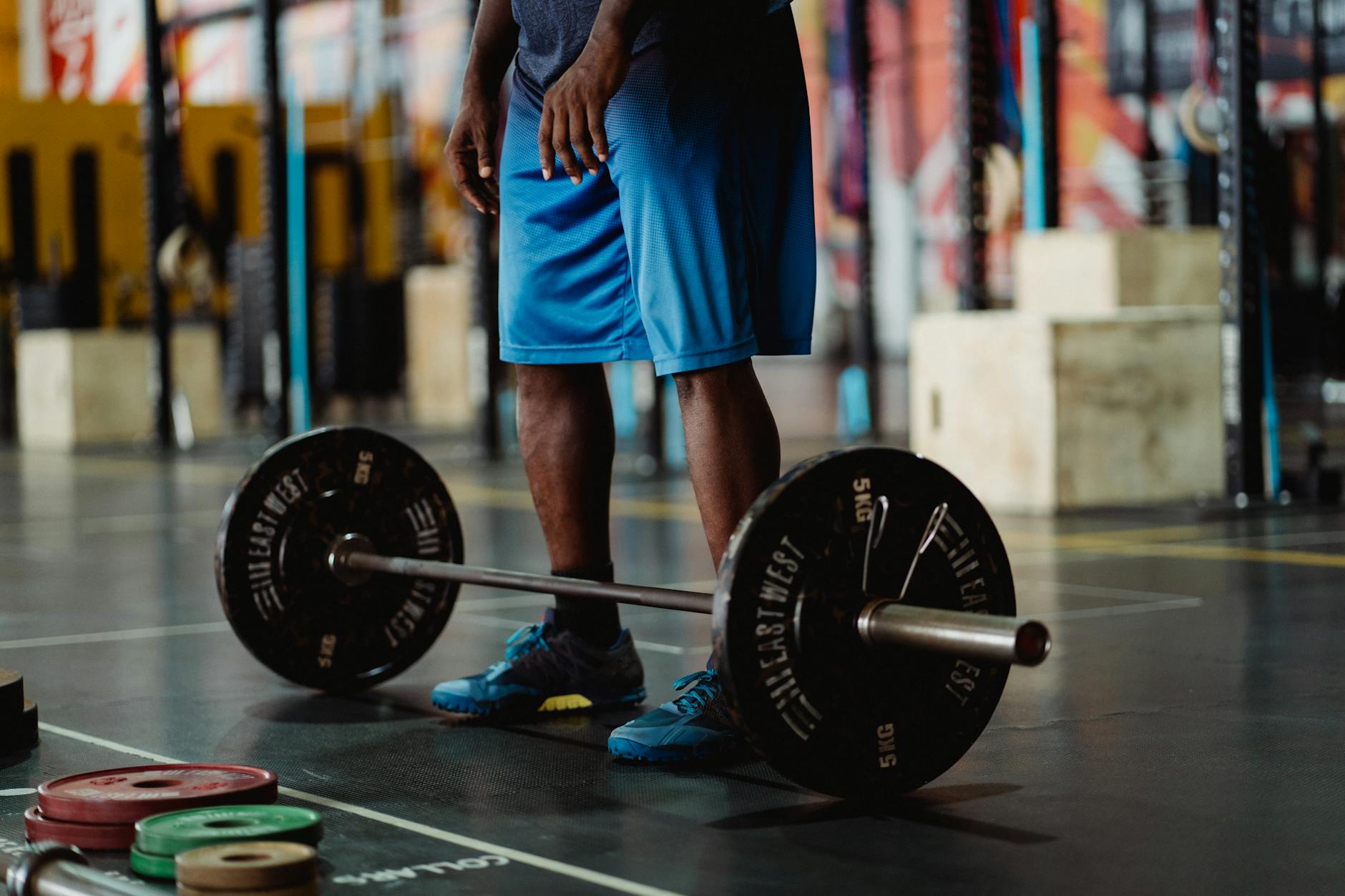
Yes, you can train your form awareness without becoming obsessed with metrics and data. The key is shifting your focus from measuring every movement to developing genuine body awareness through simple, intentional practice. When you tune into what your body actually feels during a run—where your foot strikes, how your hips move, whether your shoulders are relaxed—you naturally develop better form than someone staring at a watch or a data dashboard. This proprioceptive approach, rooted in how your nervous system actually learns movement patterns, requires far fewer numbers and far more attention to sensation. For example, a runner who spends twenty minutes weekly doing form-focused drills with a mirror and genuine attention will improve faster than someone running five times a week while obsessing over pace metrics and cadence data.
The difference is one of awareness. Your body already has sophisticated feedback systems built in. You don’t need an app to tell you that your knees are caving inward or that you’re tensing your neck. You just need to learn to feel it. The routine this article outlines takes about 30 minutes per week and requires nothing more than a mirror, your bodyweight, and the willingness to slow down and pay attention. It’s designed for runners who want to fix their form, prevent injury, and run more efficiently—without turning training into a numbers game.
Table of Contents
- Why Form Awareness Matters More Than Numbers
- The Proprioceptive Approach to Building Body Awareness
- Starting Your Form Training with Foundational Exercises
- Building Your Simple Weekly Routine
- Tracking Progress Without Obsessing Over Numbers
- The Power of Proprioceptive Cueing
- Making Form Awareness Your Natural Instinct
- Conclusion
Why Form Awareness Matters More Than Numbers
Most runners understand intuitively that form affects performance, but they often underestimate how much it affects injury risk. According to fitness expert Ambyr Chatzopoulos, CSCS, correct form is critical because incorrect postures increase injury risk and fail to target the correct muscle groups. When your landing mechanics are poor, your joints absorb forces they weren’t designed to handle, and your muscles work in compensation patterns that lead to overuse injuries over time. A runner with sloppy dorsiflexion and overstriding experiences knee pain. A runner with limited hip stability generates stress in the lower back. These aren’t mysteries hidden in your data—they’re visible and felt. The advantage of focusing on form awareness rather than metrics is that form improvements create a cascade of benefits that data often can’t capture immediately.
You might not see a pace improvement for weeks, but your knees will feel better. Your breathing might stabilize. Your energy might last longer into the run. These qualitative shifts are real training progress, even if your smartwatch doesn’t register them. Here’s the limitation: not every form issue is obvious to the untrained eye. some runners have asymmetries or biomechanical problems that require video analysis or professional assessment. However, the routine outlined here addresses the most common form problems that self-assessment can catch—and it catches them through direct sensation, not data analysis.

The Proprioceptive Approach to Building Body Awareness
Proprioception is your body’s ability to sense its position in space without looking. It’s the reason you can touch your nose with your eyes closed or know where your foot is landing during a stride. Proprioceptive training should be incorporated 2-3 times per week according to clinical evidence, and this frequency is enough to create measurable improvements in body awareness and movement control. The exercises themselves don’t need to be complex or intense. They need to be focused and deliberate. The proprioceptive approach differs fundamentally from traditional form training because it emphasizes feeling over watching.
While video analysis has its place, excessive reliance on external feedback actually slows down your nervous system’s development of internal awareness. When you spend all your attention on a metric, you’re outsourcing the sensing job that your proprioceptive system should be learning to do. Breaking down movements into smaller chunks rather than providing multiple steps is proven effective for proprioceptive training, according to coaching research. This means instead of thinking “run with proper cadence, dorsiflexion, and hip drive,” you focus on one specific sensation: What do my feet feel like during contact with the ground? The warning here is that this approach requires patience. Your proprioceptive system develops gradually, and you might not feel confident changes for 3-4 weeks of consistent practice. This is normal. You’re rewiring neural pathways, not just adjusting your stride mechanics.
Starting Your Form Training with Foundational Exercises
Every form awareness routine should begin with foundational strength exercises that you can actually see yourself perform. Fitness experts recommend starting with glute bridges, squats, and planks as baseline exercises because seeing your body move in real time provides immediate feedback on areas of weakness. These three exercises are non-negotiable because they address the most common form breakdowns: weak glutes leading to hip drop, insufficient quad and glute activation in squats causing knee valgus, and core instability creating spinal strain during running. Glute bridges teach you to feel your glutes fire and maintain neutral spine position. Squats reveal whether your knees track over your toes and whether you’re distributing weight evenly. Planks show you immediately if your hips sag or your shoulders round forward.
All three exercises can be performed in front of a mirror at home, require no equipment, and generate clear proprioceptive feedback. When you feel your glutes activate strongly during a bridge, that muscular sensation becomes the reference point your nervous system uses during running. It becomes easier to feel when those muscles aren’t firing properly during a stride. Start with these three exercises before adding anything else. Master the feeling of each one. Perform them slowly, and pause at the point where you feel the most muscle engagement. This is where proprioceptive learning accelerates.

Building Your Simple Weekly Routine
The actual routine is straightforward: dedicate 10-15 minutes three times per week to form-focused practice. This doesn’t mean running—it means doing your foundational exercises, performing deliberate strides or short form drills, and paying attention to what you feel. The structure might look like this: 2-3 minutes of dynamic mobility to warm up the hips and ankles, 5 minutes of your chosen foundational exercises (rotate between glute bridges, squats, and planks daily), and 5 minutes of slow, deliberate movement—either short running strides focusing on one specific cue, or walking drills that emphasize hip extension. The comparison that matters here is this: three times weekly of focused, low-volume form practice creates faster form improvements than six times weekly of unstructured running. Your nervous system learns patterns best when attention is high and the movement is clean. Once per week is likely insufficient for meaningful proprioceptive adaptation.
Four times per week starts adding fatigue for most runners and reduces the quality of attention you can bring. Three times per week hits the sweet spot between frequency and focus. A limitation to understand: this routine doesn’t replace your running training. It supplements it. You still need your regular running volume for aerobic adaptation. This form work is the dedicated time when every movement is intentional and every sensation is noticed. It’s the opposite of mindless running while thinking about your day.
Tracking Progress Without Obsessing Over Numbers
The natural question is: how do you know you’re improving if you’re not measuring anything? The answer is to focus on qualitative indicators like strength gains, flexibility improvements, energy levels, and how clothes fit. You’ll notice your thighs feel stronger. You’ll feel your hip muscles activating during stairs. Your posture throughout the day improves. You’ll realize you can run the same distance and feel less tired in your knees. Your stride might feel smoother, lighter, more controlled. These observations are genuinely reliable indicators of form improvement.
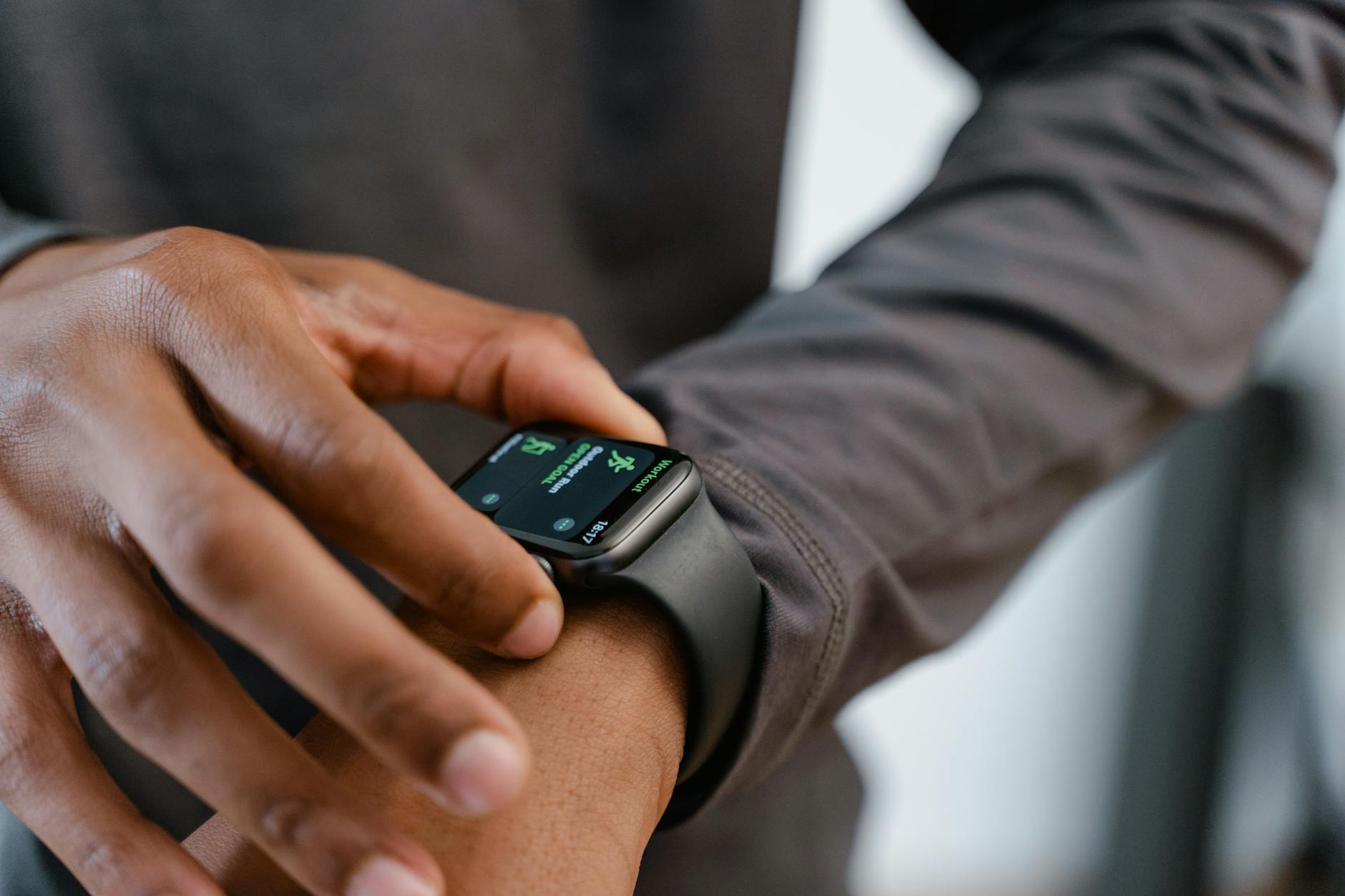
They’re also more motivating than watching pace numbers that might not change for weeks. The warning here is that some runners struggle psychologically with not tracking metrics. If you’re someone who needs data to feel like progress is real, consider this compromise: take a video of yourself running once per month, filmed from the side and front. Watch for visible changes in posture, ground contact, and overall efficiency. This minimal approach gives you feedback without creating obsessive checking habits. Process-oriented goals are more sustainable than outcome metrics when it comes to form training. Instead of “run a 7-minute mile,” your goal is “do my form routine 3 times per week.” This consistency-based goal reduces obsessive tracking behavior because the goal is about showing up, not about achieving a specific number. When your goal is consistency, success feels achievable and within your control.
The Power of Proprioceptive Cueing
Proprioceptive cueing is where the practical magic happens. Instead of giving yourself seven different form cues, you pick one specific sensation to focus on per session. One session might be entirely about feeling your glutes contract. Another might focus entirely on the sensation of your foot pushing off the ground. Another might be pure attention to what ground contact feels like under your feet. This focused, one-cue approach allows your nervous system to really learn that pattern before moving to the next one.
For example, if your problem is hip drop (one side of your hips sagging during running), you might spend an entire week focusing on the sensation of your external hip rotators engaging during a single-leg glute bridge. You’re not thinking about “keep hips level” in an abstract way. You’re feeling the specific muscles that create level hips. By the end of that week, your nervous system has learned that sensation pattern deeply. When you run, finding that feeling is easier than remembering an intellectual cue. This is the power of training proprioception rather than training awareness of external metrics.
Making Form Awareness Your Natural Instinct
Over time, what starts as deliberate form practice becomes automatic body awareness. You’ll notice during regular runs that you spontaneously feel your glutes activating without thinking about it. You’ll feel your foot strike pattern without analyzing it. Your body learns. This is the long-term benefit of proprioceptive training. You’re not managing form through constant conscious attention or constant data monitoring.
You’ve developed genuine body sense that just works. The practice outlined here—three focused sessions per week, one simple cue at a time, genuine attention to physical sensation—creates this shift. It takes about 8-12 weeks of consistency before most runners feel that transition from “I have to think about this” to “my body just does this.” Once you reach that point, maintaining your improved form requires far less effort. You’re not constantly vigilant or constantly checking metrics. Your nervous system has learned the pattern. That’s efficiency. That’s real improvement.
Conclusion
Training form awareness without obsessing over data is not only possible—it’s actually more effective than relying on metrics. Your body has sophisticated sensory systems designed specifically for this purpose. By incorporating 2-3 focused weekly sessions of foundational exercises and deliberate movement practice, combined with genuine attention to proprioceptive feedback, you can develop efficient, strong running form without ever opening a data dashboard. The results appear in how you feel, how strong your muscles become, and how durable your body remains across training. Start this week with your three simple foundational exercises.
Pick one and feel the muscles working. Next time you run, take thirty seconds to notice what ground contact feels like. These small acts of awareness compound into genuine form improvement over weeks. You don’t need to obsess over the process. You just need to show up and pay attention.