
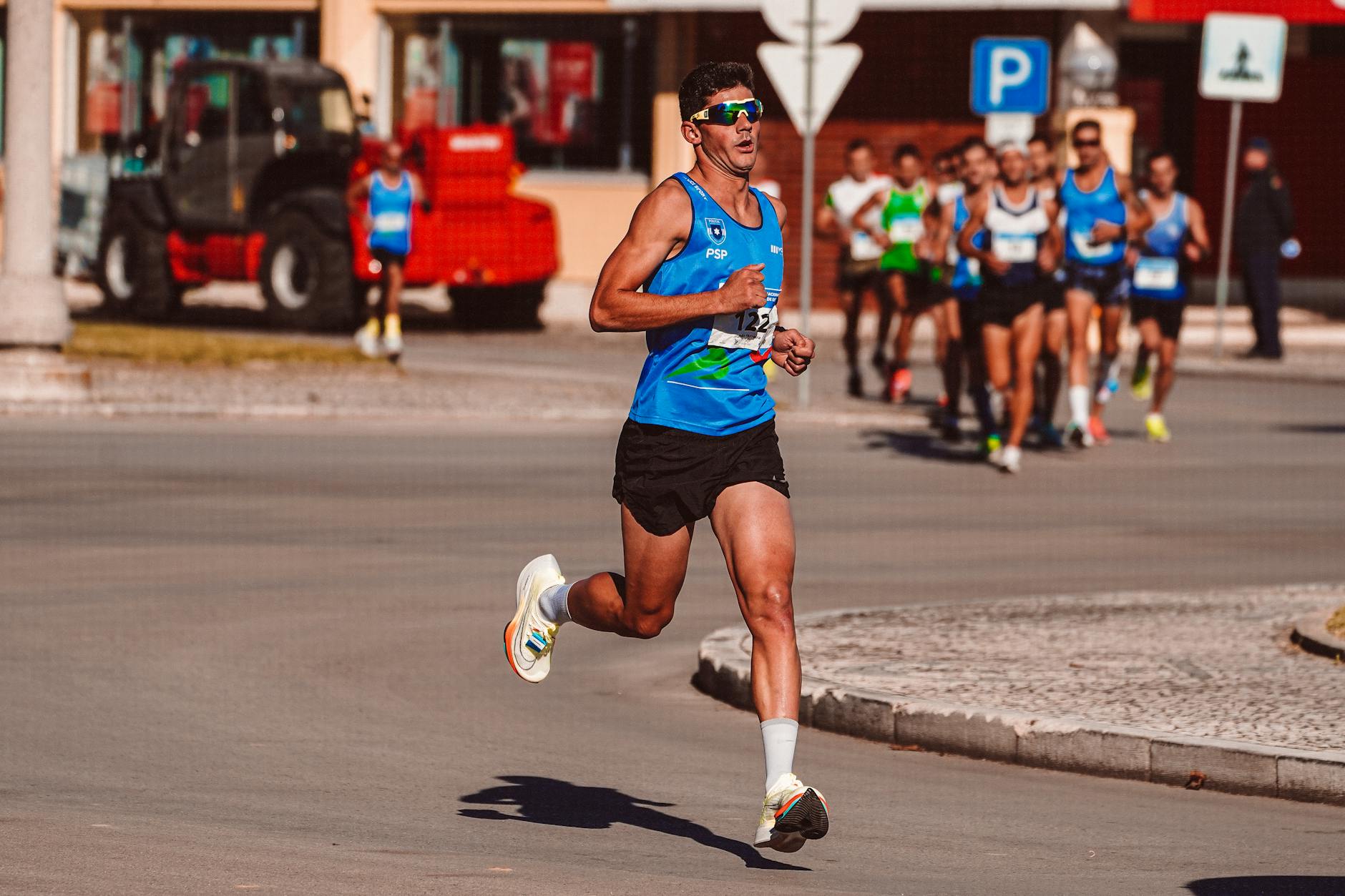
The best pace for running 15 miles depends on your fitness level and experience, but most recreational runners should aim for a pace that feels conversational—roughly 60 to 70 percent of their maximum effort. For the average runner, this translates to somewhere between 9:00 and 11:00 per mile, though experienced ultramarathoners might cruise at 8:00 per mile or slower. The key is that a 15-mile run is a substantial distance that crosses into the territory of endurance training, which means your primary goal should be completing the distance sustainably rather than chasing speed.
A concrete example: if you typically run 5 miles at an 8:30 pace as your standard workout, a 15-mile run at 10:00 to 10:30 per mile is probably the sweet spot. You’re sacrificing speed for duration, but that’s precisely what your body needs to build the aerobic base, mental toughness, and muscular adaptations that long runs demand. Trying to maintain your typical 5K pace over 15 miles is a recipe for hitting the wall at mile 10 or 11, bonking hard, and spending the rest of the run in survival mode.
Table of Contents
- What Pace Should You Hold For 15-Mile Runs?
- Physiological Demands of 15-Mile Running and Pacing Strategy
- How Experience Level Shapes Your 15-Mile Pace
- Practical Pacing Strategies for Running 15 Miles
- Nutrition, Hydration, and Pacing Tradeoffs
- Training Effect and Recovery at Different Paces
- The Mental Game and Long-Run Sustainability
- Conclusion
What Pace Should You Hold For 15-Mile Runs?
The answer isn’t one-size-fits-all, but there’s a useful framework: your long-run pace should be 45 to 60 seconds per mile slower than your goal race pace for a half-marathon or marathon. If you’re training for a marathon and your goal is a 3:45 finish (8:35 per mile), your long runs might sit at 9:35 to 10:00 per mile. If you’re a faster runner targeting a 7:30 marathon pace, your 15-milers might be 8:15 to 8:45. The principle remains constant: you’re building endurance on tired legs, not racing.
Most running coaches recommend the “conversational pace” test as a practical check. You should be able to speak in short sentences without gasping for breath. If you can’t say more than a few words, you’re going too fast. If you could sing an entire song without effort, you’re probably too slow and not getting the aerobic training effect. For a 15-mile effort, this conversational zone typically lands between 70 and 80 percent of your lactate threshold pace—the speed at which lactate begins accumulating in your bloodstream faster than your body can clear it.

Physiological Demands of 15-Mile Running and Pacing Strategy
Running 15 miles puts real stress on your aerobic system, glycogen stores, and connective tissues. At a moderate pace of 10:00 per mile, you’re looking at roughly 2 hours and 30 minutes on your feet, which demands that your body efficiently burn fat for fuel after the first 60 to 90 minutes. If you go too fast—say 8:30 per mile—you’ll rely almost entirely on carbohydrate metabolism and deplete your glycogen stores well before mile 15, leaving you depleted and unable to finish strong.
One critical limitation: even at a reasonable pace, 15 miles is long enough that your glycogen can still become a limiting factor, particularly if you don’t fuel during the run. Most runners can access stored glycogen for the first 90 minutes or so, but a 15-mile effort at any respectable pace will exceed that window. this is why runners doing 15-milers typically consume 100 to 200 calories of easily digestible carbohydrates (gels, chews, or sports drinks) every 45 minutes. Skipping fuel because you’re “only” doing a long run and not racing is a mistake that derails many training weeks.
How Experience Level Shapes Your 15-Mile Pace
A runner who’s been training consistently for three to five years and regularly runs 8 to 10 miles has a very different 15-mile conversation than someone new to distance running. The experienced runner’s aerobic system can handle a faster sustainable pace because their mitochondrial density is higher, their economy of movement is more refined, and their body has adapted to extended muscular work. Someone running their first 15-miler should probably expect that to take 2.5 to 3 hours, which means aiming for 10:00 to 12:00 per mile without shame.
A concrete example: a Boston Marathon qualifier training for a faster goal can hold 8:00 to 8:30 per mile for 15 miles as part of a weekly long run. A newer runner in their first year of consistent training might hold 10:30 to 11:30 per mile. Both are running at appropriate efforts for their fitness; the pace is simply a number that reflects adaptation. Comparing your pace to someone else’s is less useful than asking whether you recovered well, felt strong in the latter miles, and hit your training goal for that week.

Practical Pacing Strategies for Running 15 Miles
One effective tactic is the negative split: run the second half of your 15-miler slightly faster than the first half. This means holding back a bit for the first 7.5 miles—maybe 10:15 per mile—and then settling into 9:45 to 10:00 per mile for the final 7.5. This approach works because your aerobic capacity actually improves slightly as you warm up (roughly the first 10 to 20 minutes of running), and you preserve enough glycogen and mental energy to push harder when the physical toll might otherwise crush your morale. The downside of negative splits is that they require discipline early on.
You’ll feel good at miles 3 and 4 and want to speed up; resisting that urge takes mental toughness. Some runners prefer even pacing instead: holding a steady 10:00 per mile for the entire effort. This removes the guesswork and makes the run feel more like a meditation than a strategy. A third option is progressive pacing—slightly slower at the start, steady in the middle, slightly faster in the final miles—which works well for runners who do their best work once they’re fully warmed up and mental fatigue hasn’t set in yet.
Nutrition, Hydration, and Pacing Tradeoffs
The faster you run 15 miles, the harder your body works to digest fuel, which creates a tradeoff between speed and the ability to fuel effectively. If you’re running at 8:30 per mile, your digestive system is competing for blood flow with your working muscles, and you might struggle to absorb a gel without stomach distress. At 10:00 per mile, your body has more capacity to metabolize fuel smoothly. This is one reason why very fast 15-mile runs (sub-8:00 per mile) are typically reserved for highly trained runners with iron stomachs and bulletproof race experience.
Dehydration also accelerates as your pace increases. A 2-hour-and-40-minute 15-miler (10:00 pace) in warm conditions might require three to four water intake points along the route. A faster 2-hour run demands the same water frequency but compressed, which means you might be drinking more water faster and dealing with a sloshing stomach. This is why many ultramarathoners deliberately run slower than their raw speed would allow—it gives them a margin for fueling and hydration without mechanical distress.

Training Effect and Recovery at Different Paces
A 15-mile run at 10:30 per mile delivers a powerful aerobic training stimulus (roughly 1.5 to 2 hours in zone 2, the aerobic development zone) while remaining gentle enough that you can likely do an easy 3 to 4 miles the next day. The same 15 miles at 8:30 per mile is far more demanding on your central nervous system and muscles, making true recovery the next day necessary; most runners need an easy day or rest day following a faster 15-miler. From a training return-on-investment perspective, the slower run builds durability and work capacity while preserving adaptability for harder efforts elsewhere in the week.
An important consideration: if you’re doing a 15-miler as part of a full training week that includes tempo runs, intervals, or other hard workouts, your long-run pace should probably stay on the easier end (10:30 to 11:30) to avoid stacking fatigue. If your 15-miler is your only significant effort for the week, you can afford to push it closer to 9:30 to 10:00 and still recover. The mistake many runners make is running their long runs too hard while also hammering their tempo runs and track workouts, leading to burnout or injury before race day.
The Mental Game and Long-Run Sustainability
Pacing a 15-miler is as much about psychological management as physiology. Running 15 miles at a conversational pace keeps your effort level sustainable not just for mile 15 but for week after week of training. Runners who regularly run 15 miles at 9:00 per mile (because that feels fast and productive) often find themselves injured, burned out, or unable to commit to training by month three.
Runners who commit to 10:30 to 11:00 per mile for their long runs tend to stay healthy, consistent, and able to build real aerobic adaptations over time. Looking forward, your 15-mile pace in training is often a signpost for what’s possible in a race. If you’ve trained consistently at 10:00 to 10:30 per mile, a race-day effort three to four months later might yield a 9:15 to 9:45 pace, thanks to the adrenaline, taper, and racing context. If you’ve done your long runs at 8:30 per mile, you’re likely already near your race-day ceiling and might eke out only 8:15, or you might find yourself unable to finish because you haven’t truly trained the endurance capacity that these paces demand.
Conclusion
The best pace for running 15 miles is one that’s sustainable for that distance and fits your current fitness level—typically 9:00 to 11:00 per mile for most recreational runners, with significant variation based on experience, training history, and race goals. The principle is simple: you’re building endurance, not proving speed. Go slow enough that you can fuel properly, recover the next day, and repeat the effort week after week without injury or burnout.
Start by identifying your comfortable long-run pace using the conversational test and your training data, then commit to that effort. You’ll gain far more from consistent 15-mile efforts at a moderate pace than from sporadic attempts to race the distance. As your fitness improves, your moderate pace will naturally quicken without you forcing it, and your 15-miler will feel easier even as you maintain the same effort level.
3 thoughts on “The Best Pace for Running 15 Miles”
Comments are closed.