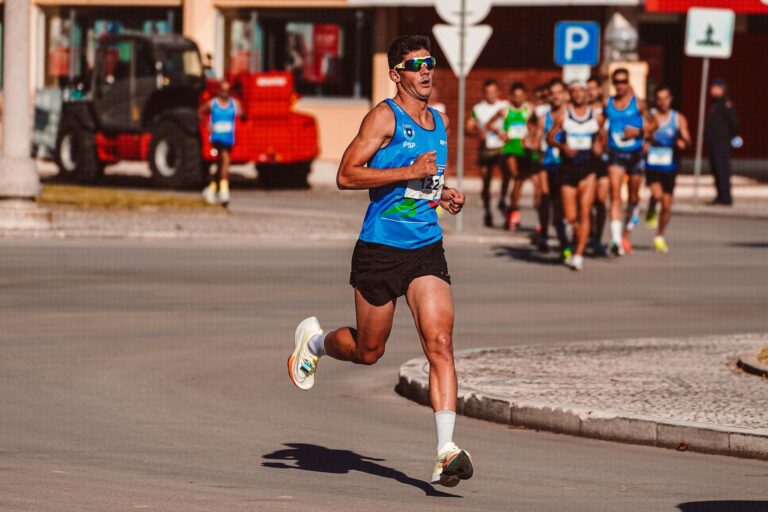
The recovery hack elite runners swear by is cold water immersion—submerging the body in water between 50 and 59 degrees Fahrenheit for 10 to 15 minutes after hard workouts or long runs. Professional runners across distance events, from marathon specialists to 5K competitors, have incorporated ice baths into their training routines for decades, and modern sports science has confirmed what they’ve known experientially: controlled cold exposure reduces inflammation, accelerates muscle repair, and speeds overall recovery between intense sessions. The practice became mainstream in elite running circles during the 1980s and 1990s as distance athletes noticed they could handle higher training volume with less accumulated fatigue when adding regular ice baths to their weekly routine.
What makes this recovery method so compelling is not that it’s complicated—it requires only a tub, ice, and discipline—but that it produces measurable results. Elite runners report returning to hard efforts with fresher legs, lower perceived exertion on recovery runs the next day, and fewer overuse injuries over full training cycles. A runner who performs a tempo run or speed workout followed by an ice bath will experience significantly less muscle soreness 24 to 48 hours later compared to recovery without cold immersion, though the effect is most pronounced when training volume is high and recovery time between sessions is short.
Table of Contents
- How Cold Water Immersion Affects Muscle Recovery
- The Evidence and Its Limitations
- How Elite Runners Structure Their Cold Immersion Protocol
- Practical Implementation for Runners at All Levels
- Common Mistakes and Critical Warnings
- When Cold Immersion Backfires
- Cold Immersion in the Broader Recovery Ecosystem
- Conclusion
- Frequently Asked Questions
How Cold Water Immersion Affects Muscle Recovery
Cold water immersion works through several physiological mechanisms. When exposed to cold, blood vessels constrict, reducing blood flow to the muscles and limiting the inflammatory response that naturally follows intense exercise. Once the athlete exits the cold water, blood vessels dilate and blood flow increases dramatically, delivering oxygen and nutrients to damaged muscle tissue. This cycle of vasoconstriction followed by vasodilation essentially “flushes” metabolic waste products like lactate and accelerates the clearance of inflammatory markers from the muscles.
The cold also slows nerve conduction velocity, which dulls pain perception—the reason athletes feel immediate relief stepping out of an ice bath, even if soreness returns hours later. Elite distance runners taking ice baths within 15 minutes of finishing a hard workout see the greatest benefit, as this timing captures the window when inflammation response is most active. A runner completing a 10-mile tempo run at marathon pace, for example, will enter an ice bath immediately after cooling down for 5 minutes. The cold reduces the inflammatory cascade that would otherwise persist for 48 to 72 hours, meaning that athlete can return to another hard session 48 hours later feeling substantially fresher than a runner who skips the ice bath entirely. Contrast this with an athlete who relies solely on foam rolling and stretching for recovery—those methods address muscular tightness but don’t reduce systemic inflammation the way cold immersion does.
The Evidence and Its Limitations
The research on cold water immersion is more nuanced than popular running culture suggests. Studies show that ice baths reduce delayed-onset muscle soreness (DOMS) by roughly 20 to 30 percent when compared to passive recovery, and they appear to reduce swelling and accelerate the return of strength in the days immediately following intense exercise. However, some research indicates that cold water immersion may blunt the long-term adaptive response to training if used too frequently—the inflammatory response, while uncomfortable, is actually part of the stimulus that triggers muscle growth and mitochondrial adaptation. Using ice baths after every single workout, even easy recovery runs, could theoretically reduce training adaptations over weeks and months.
The limitation that matters most for runners: the benefits diminish significantly if training volume isn’t high or if recovery time between hard sessions is already adequate. An amateur runner doing three workouts per week with three or more days between hard efforts will see minimal benefit from ice baths because their bodies recover naturally in that timeframe. Elite runners, by contrast, often run twice a day and do hard workouts 48 hours apart, making cold immersion genuinely valuable for managing fatigue and injury risk. Additionally, individual responses vary widely—some runners report transformative effects while others see almost no change in soreness or fatigue levels, suggesting that genetics or individual physiology play a significant role in whether ice baths deliver meaningful results.
How Elite Runners Structure Their Cold Immersion Protocol
Professional distance runners typically use ice baths 2 to 4 times per week, following their hardest efforts—tempo runs, interval sessions, and long runs—rather than after easy runs or recovery days. The protocol is straightforward: within 15 minutes of finishing the hard workout, the runner enters a tub filled with water cooled to 50-59 degrees Fahrenheit for 10 to 15 minutes. Most elite runners prepare ice baths by running cold water and adding bagged ice from a freezer; the exact temperature matters less than consistency—the goal is cold enough to trigger the physiological response without being so cold it causes discomfort that shortens the duration. A runner soaking for only 5 minutes at extremely cold temperatures gets less benefit than one spending a full 15 minutes at moderately cold water. Elite marathon runners typically increase ice bath frequency during the heaviest training blocks—12 to 16 weeks of marathon-specific work where weekly mileage peaks and back-to-back hard sessions are common.
A runner in this phase might ice bath three times weekly after long runs, tempo sessions, and interval workouts. By contrast, during lighter training phases or when recovering from minor injuries, the same runner might drop to once per week or skip ice baths entirely. This periodization reflects understanding that the benefit of cold immersion is contextual—it matters most when training stress is highest and recovery capacity is most taxed. One limitation worth noting: elite runners often pair ice baths with other recovery strategies like compression boots, massage, and controlled nutrition, making it difficult to isolate ice bath effectiveness alone. The hack is rarely used in isolation.

Practical Implementation for Runners at All Levels
For runners considering adding ice baths to their routine, the barrier is typically access and tolerance rather than cost. A basic protocol requires only a bathtub, water, and ice from a freezer—total investment is minimal. The challenge is psychological: submerging your body in uncomfortably cold water after an exhausting workout requires mental fortitude, and the first few ice baths feel genuinely difficult. Elite runners overcome this by framing cold immersion as part of training, not optional recovery—the same mental framework they apply to doing speed work when fatigued. A practical starting point for most runners is one ice bath per week after the hardest workout, 10 to 12 minutes at whatever temperature can be achieved with home ice and cold water.
As tolerance builds, frequency can increase to two or three times weekly during peak training blocks. One comparison that clarifies practical value: contrast an ice bath with passive recovery like lying on the couch or easy cross-training. Both reduce stress on the body, but ice baths actively mobilize recovery mechanisms while passive recovery simply prevents further training stress. For a runner with limited time or recovery capacity, an ice bath (15 minutes) produces faster systemic recovery than an equivalent-length foam rolling session, though foam rolling addresses localized muscle tension that ice baths don’t directly treat. A practical tradeoff: ice baths and compression boots serve similar recovery functions, but cold immersion requires sitting still in discomfort while compression boots allow multitasking and feel more comfortable. The choice often comes down to personal preference and what a runner will actually stick with over weeks of training.
Common Mistakes and Critical Warnings
The most frequent mistake runners make is timing their ice bath too late—waiting an hour or more after a hard workout before getting into cold water significantly reduces effectiveness. The anti-inflammatory window is most open in the 15 to 30 minutes immediately following exercise, so ice baths are most valuable when done quickly. A runner who finishes a speed workout and doesn’t ice bath for two hours will see minimal benefit compared to the athlete who ices within 15 minutes. Another mistake is overdoing it: some runners, particularly those chasing results, attempt ice baths after every workout including easy runs and recovery days. This can suppress adaptation and leave legs feeling chronically flat, the opposite of the freshness the hack is supposed to deliver. Ice baths should feel like a strategic tool deployed during hard training phases, not a daily routine.
There are legitimate warnings, too. Runners with Raynaud’s syndrome or certain circulatory conditions should avoid ice baths entirely, as cold water immersion can trigger dangerous vascular responses. Anyone with open cuts, wounds, or active infections should skip ice baths until healed—cold water increases infection risk. Runners experiencing acute pain from muscle strains or tendon injuries should be cautious, as the numbing effect of cold water can mask worsening damage if they return to training too soon. Perhaps the most important warning: ice baths are a recovery tool, not a substitute for adequate sleep, nutrition, or training structure. A runner who relies on ice baths to offset inadequate sleep or poor fueling will see diminishing returns, because the limiting factor isn’t muscle soreness but systemic fatigue.
When Cold Immersion Backfires
Cold water immersion isn’t universally beneficial for all runners in all situations. An athlete returning from a significant injury or taking a break from hard training should avoid ice baths for the first few weeks, as the anti-inflammatory effect may suppress healing processes that require some normal inflammatory signaling. Similarly, runners dealing with depression, mood disorders, or seasonal affective disorder should approach ice baths cautiously—the acute cold stress triggers a cortisol spike that can exacerbate low mood in vulnerable individuals, though this effect is temporary. On a practical level, repeated ice baths can cause dry, cracked skin if not followed by proper hydration and moisturizing, and some runners develop skin sensitivities to frequent cold exposure.
There’s also an injury risk if runners attempt ice baths without adequate warm-up preparation. A runner who goes directly from a hard workout into extreme cold water without any transition can experience cold-induced bronchoconstriction or an exaggerated vagal response, manifesting as difficulty breathing or dizziness. This is why elite runners typically do 5 minutes of easy jogging or walking to cool down gradually before entering cold water. The body needs a transition period to adjust to the shift from intense heat to cold exposure.
Cold Immersion in the Broader Recovery Ecosystem
Cold water immersion works best as one component of a comprehensive recovery system, not as a standalone hack. Elite runners combine ice baths with other evidence-based recovery methods: 7 to 9 hours of quality sleep, protein consumption within 30 to 60 minutes of hard workouts, dynamic stretching, foam rolling for localized tightness, and strategic timing of easier efforts to allow physiological recovery. When all these factors align, cold immersion amplifies the effect. A runner sleeping 6 hours per night while relying on ice baths to manage fatigue will see frustratingly limited results, because the ice bath only addresses one piece of the recovery puzzle.
The future of recovery for elite runners is increasingly personalized—some respond remarkably well to cold immersion while others achieve similar recovery outcomes through contrast therapy (alternating hot and cold), cryotherapy chambers, or strategic compression protocols. The conversation around ice baths in elite running is also shifting toward understanding optimal frequency and duration for different training phases. Rather than the older “more is better” mentality, current practice is increasingly about targeted, periodized use. A runner training for a 5K will benefit more from frequent ice baths during the 8 to 12 week peak phase than during base-building months. This nuanced approach reflects maturation in how elite athletes think about recovery—not as something maximized uniformly, but as a strategic tool deployed exactly when it provides the most value relative to training demands.
Conclusion
The recovery hack elite runners swear by is cold water immersion, a simple but powerful tool for managing inflammation and accelerating recovery when training volume and intensity are high. When deployed strategically—2 to 4 times weekly, immediately after hard workouts, for 10 to 15 minutes at 50-59 degree water temperatures—ice baths reduce muscle soreness, enable faster return to hard efforts, and help elite runners sustain higher training volume with fewer injuries. The method is accessible to runners at all levels and requires minimal equipment beyond a bathtub and ice, making it one of the few elite recovery practices that translate directly to amateur training.
Success with ice baths requires understanding their appropriate role: as a tool for managing high training stress, not as insurance against poor sleep or inadequate nutrition. Runners considering adding cold immersion to their routine should start conservatively with one ice bath per week after their hardest workout, build tolerance over weeks, and avoid the common pitfalls of timing them too late or using them on recovery days. Combined with consistent sleep, proper fueling, and a sensible training structure, ice baths deliver measurable improvements in how quickly runners recover between hard efforts and how much training they can handle before fatigue accumulates.
Frequently Asked Questions
How long does an ice bath need to be to get benefits?
Most research suggests 10 to 15 minutes is optimal. Shorter durations (5 minutes) produce minimal benefit; longer durations (20+ minutes) don’t appear to improve results and increase discomfort and skin-related side effects.
Can I use an ice bath after an easy run or recovery day?
Not recommended. Ice baths are most valuable after hard, high-stress workouts. Using them after easy runs can suppress adaptation and leave you feeling fatigued rather than recovered.
What temperature should the water be?
Between 50 and 59 degrees Fahrenheit is standard. The exact temperature matters less than consistency—cold enough to trigger the physiological response without being so extreme it limits your ability to stay in for the full duration.
How soon after a workout should I take an ice bath?
Within 15 to 30 minutes for maximum benefit. The anti-inflammatory window is most open immediately after exercise, so delayed ice baths (1+ hours later) provide minimal advantage.
Are ice baths safe for all runners?
No. Runners with Raynaud’s syndrome, circulatory conditions, open wounds, or acute injuries should consult a doctor before attempting ice baths. Anyone with mood-related concerns should be aware that cold immersion triggers a cortisol spike.
Will ice baths reduce my training gains?
Overuse can suppress adaptation—using them after every workout including easy runs may limit long-term improvements. The key is strategic use during high-stress training phases, not daily application.