Running barefoot on grass once a week strengthens your feet, improves your proprioception, and reduces repetitive stress injuries that come from continuous impact in rigid running shoes. When you run barefoot on soft ground, your feet engage stabilizer muscles that sit dormant during normal shod running, creating a more resilient kinetic chain from your toes to your hips. A runner training for a half-marathon might spend five days a week pounding pavement in cushioned shoes, only to discover that their feet have become dependent on that external support—running barefoot on grass once weekly retrains your foot’s intrinsic muscles and restores natural movement patterns before injury takes hold.
Beyond muscle activation, grass running offers a unique sensory feedback loop. Your feet contain thousands of mechanoreceptors that detect ground texture, temperature, and subtle inclines. When you’re locked inside a shoe, these receptors go largely unused. One session on grass per week keeps this sensory system active and engaged, which translates to better balance, faster injury detection (your body recognizes problems earlier when it can feel the ground), and improved coordination for technical trail running later.
Table of Contents
- What Happens to Your Feet When You Switch to Barefoot Running on Grass?
- The Biomechanical Changes and Why the Transition Requires Caution
- How Barefoot Grass Running Improves Running Economy and Efficiency
- Implementing Barefoot Grass Running Safely and Practically
- Common Pitfalls and Overuse Injuries to Avoid
- The Mental and Proprioceptive Benefits Beyond Physical Conditioning
- Looking Forward—Building a Resilient Running Foundation
- Conclusion
What Happens to Your Feet When You Switch to Barefoot Running on Grass?
Your feet contain 26 bones, 33 joints, and over 100 muscles and tendons. most running shoes—even minimalist ones—restrict the natural spreading and articulation of the foot. When you go barefoot on grass, your toes splay naturally, your arch engages more actively, and your foot becomes a dynamic shock absorber rather than a passive passenger. Studies on habitually barefoot populations show significantly stronger foot intrinsics and better arch stability compared to lifelong shoe wearers, though the transition takes time and should be gradual.
The grass surface itself matters. Unlike concrete or asphalt, grass provides variable compliance—each step lands on a slightly different texture and firmness. This variability forces your neuromuscular system to make constant micro-adjustments, strengthening proprioceptive pathways in your brain and improving ankle stability. A runner who typically trains on roads might feel wobbly during that first session, but this instability is exactly the stimulus that builds resilience. Your body’s response is to recruit more stabilizer muscles, particularly in the feet and ankles, which take weeks to months to fully adapt.
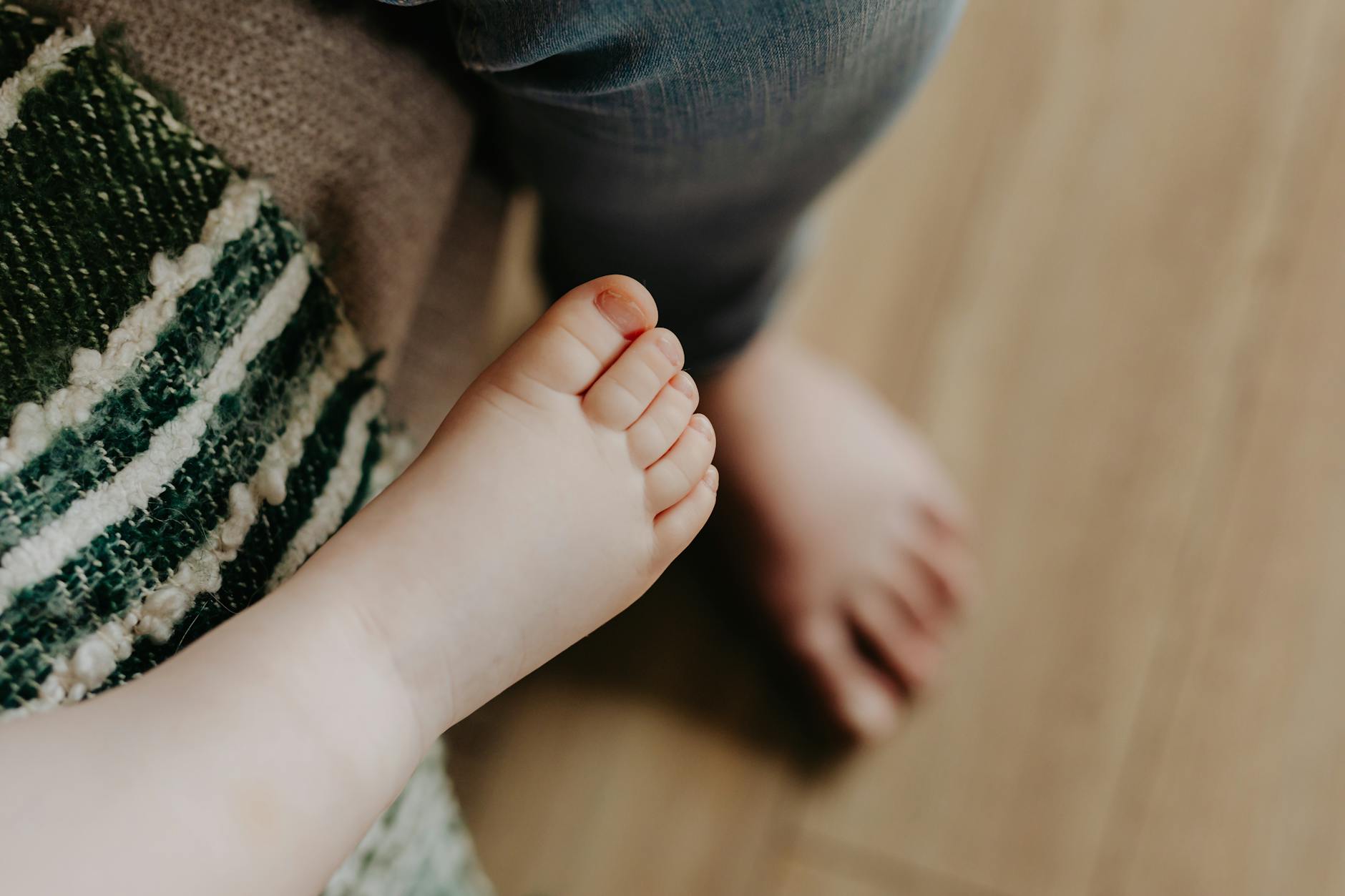
The Biomechanical Changes and Why the Transition Requires Caution
When you remove the arch support and heel cushioning of modern running shoes, your gait changes significantly. Your cadence typically increases (you take shorter, quicker steps), your ground contact time shortens, and the impact forces distribute differently through your kinetic chain. This is beneficial long-term, but the transition period carries real risk. Starting too aggressively with barefoot running can trigger plantar fasciitis, calf strains, and stress fractures because your foot muscles aren’t yet strong enough to handle the increased load.
A common mistake is doing a full training run barefoot on grass before your feet have adapted—limit your first sessions to 10-15 minutes of easy jogging. Another frequently overlooked issue is the difference between running on grass and training in minimalist shoes. Grass provides cushioning that bare pavement doesn’t, which is why a weekly grass session works well—it’s challenging enough to stimulate adaptation but forgiving enough to minimize injury risk. If you try to transition directly from cushioned road shoes to barefoot road running, you skip the intermediate step and dramatically increase injury risk. Grass serves as the perfect bridge, allowing your feet to strengthen without the harsh impact of hard surfaces.
How Barefoot Grass Running Improves Running Economy and Efficiency
Your running economy—the amount of oxygen your body uses at a given speed—improves when your feet are stronger and more efficient. Research on barefoot running shows reduced ground contact time and more elastic energy return from the foot and calf complex, both of which lower the metabolic cost of running. When your intrinsic foot muscles are weak, your body compensates by recruiting larger proximal muscles (glutes, hamstrings, quads), which burns more energy to cover the same distance.
A once-weekly grass session retrains these systems to work more efficiently. One practical example: a runner with weak foot intrinsics might rely heavily on their hamstring to brake during ground contact, leading to tight hamstrings and recurring knee pain. As intrinsic foot strength improves through barefoot running, the foot itself absorbs more of that braking force, the hamstring releases, and the whole running system becomes more balanced. You’ll notice this as a feeling of “lighter” running even in your cushioned shoes on other days—your feet are now contributing more to propulsion and less burden falls on your legs.

Implementing Barefoot Grass Running Safely and Practically
Start small and be consistent: one session per week for 10-15 minutes is more effective than sporadic longer sessions. Pick a flat, well-maintained grass area—a park, golf course, or athletic field—where you can avoid hidden hazards like rocks or branches. Warm up in your regular shoes first, then remove them for the grass portion, then cool down if needed. Your feet will be sensitive to temperature and texture at first, which is normal. Progress by adding 2-3 minutes per week until you reach 20-30 minutes, a duration that provides substantial stimulus without overwhelming adaptation capacity.
Timing matters: do your barefoot grass session on an easy run day, not your speed work or long run. Your feet and lower legs will be more fatigued from the increased stabilizer muscle activation, so you need recovery time. A practical schedule might be Monday (easy run in shoes), Tuesday (tempo workout or rest), Wednesday (barefoot grass session), Thursday (easy recovery run), Friday (rest), Saturday (long run), Sunday (cross-training or rest). This spacing allows your foot muscles to adapt without compromising your primary training block. Some runners find that barefoot grass running feels so different that it serves as active recovery even though it’s challenging—that’s the point.
Common Pitfalls and Overuse Injuries to Avoid
The biggest mistake runners make is increasing barefoot volume too quickly. Your foot intrinsics take 8-12 weeks to meaningfully adapt, and they’re among the slowest tissues in your body to build strength. If you jump from zero barefoot running to three sessions per week, you’ll likely develop plantar fasciitis, Morton’s neuroma, or metatarsal stress fractures. Progress slowly—stick to once weekly for at least four weeks before even considering a second session. Watch for pain on the bottom of your foot, numbness in your toes, or sharp pain in your metatarsal heads; these are warning signs to dial back immediately. Another hidden risk is overdoing it on grass that’s too soft or uneven.
A boggy or heavily thatched lawn can strain your ankles and calves excessively, particularly if you’re not yet adapted. Conversely, poorly maintained grass with exposed ground or sparse coverage can lead to cuts or puncture wounds. Inspect your running surface beforehand. Also, be aware that barefoot running on grass is significantly slower than shod running on roads—don’t try to match your usual pace. Ego and comparison are common injury culprits. Run barefoot by effort and feel, not by GPS pace.

The Mental and Proprioceptive Benefits Beyond Physical Conditioning
Running barefoot forces your mind into the present moment. You can’t zone out and let your watch pace dictate your running—you’re actively feeling the ground and adjusting your stride. This heightened proprioceptive awareness builds a stronger mind-body connection that carries over to all your running. Some runners report improved running form on roads after adding a weekly barefoot session because they’ve retrained their neuromuscular system to operate more intelligently, not just power through miles.
Additionally, the psychological reset of running on grass in bare feet can be surprisingly restorative. Away from the rhythm of pavement and the distraction of traffic, your nervous system settles. Some runners find that a weekly grass session reduces overall stress and burnout risk, particularly during heavy training blocks. The novelty and sensory engagement of barefoot running on different textures, temperatures, and inclines keeps the sport feeling fresh and interesting.
Looking Forward—Building a Resilient Running Foundation
Barefoot running on grass once weekly is best understood as a foundation-building practice rather than a primary training stimulus. As you age as a runner, maintaining strong feet becomes increasingly important for longevity and injury prevention. Runners in their 40s, 50s, and beyond who incorporate regular barefoot work tend to have fewer chronic foot problems and better running economy compared to those who remain shoe-dependent.
The cumulative benefit of years of consistent, moderate barefoot stimulus is substantial. The future of running likely involves more hybrid approaches—cushioned shoes for high-volume training, minimalist shoes for select workouts, and barefoot running for stimulus and skill development. A weekly barefoot grass session fits naturally into this paradigm as a low-risk way to keep your feet sharp and resilient.
Conclusion
Running barefoot on grass once a week is a straightforward, low-cost intervention that strengthens your feet, improves proprioception, and reduces injury risk. It requires patience during the adaptation phase and consistency over weeks and months, but the payoff is a more resilient running system that handles the demands of training better and ages more gracefully. You don’t need expensive equipment, specialized footwear, or complicated programming—just a flat grass surface and 15-20 minutes once weekly.
Start this week. Pick a nearby park or field, do a warm-up in your regular shoes, spend 10-15 minutes running easy on the grass, then cool down. Notice how your feet feel, how your cadence changes, and how the ground feels beneath you. This single session is the foundation of stronger feet and more sustainable running for years to come.