Treadmill running makes shoe fit matter more than terrain for reasons that catch many runners off guard. The controlled environment of a treadmill belt eliminates the natural variations in surface and stride that outdoor running provides, placing concentrated and repetitive stress on the same exact points of the foot with every single step. This lack of variability transforms minor fit issues that might go unnoticed on trails or roads into significant problems that compound over thousands of identical foot strikes. The relationship between treadmill running and footwear fit deserves serious attention because indoor running has become a permanent fixture in training routines worldwide.
Gym memberships, home treadmill purchases, and the practical demands of weather, safety, and time constraints mean that millions of runners log substantial mileage on belts rather than pavement. Yet most shoe fitting advice still centers on terrain considerations like trail grip, road cushioning, and surface responsiveness. This creates a knowledge gap for the treadmill runner who experiences persistent blisters, hotspots, or joint discomfort despite wearing quality shoes that perform perfectly outdoors. By the end of this article, readers will understand the biomechanical differences between treadmill and outdoor running, why these differences amplify fit-related problems, how to evaluate shoe fit specifically for belt running, and what adjustments can prevent the repetitive strain injuries that plague indoor runners. The information applies whether you run exclusively on treadmills, use them for speedwork and bad-weather days, or are considering adding indoor miles to your training plan.
Table of Contents
- How Does Treadmill Running Change Your Foot Strike Pattern Compared to Outdoor Terrain?
- The Biomechanics Behind Treadmill-Specific Shoe Wear Patterns
- Why Traditional Shoe Fitting Advice Falls Short for Indoor Runners
- How to Assess Proper Shoe Fit for Treadmill Training Sessions
- Common Treadmill Running Injuries Linked to Poor Shoe Fit
- The Role of Temperature and Environment in Treadmill Shoe Fit
- How to Prepare
- How to Apply This
- Expert Tips
- Conclusion
- Frequently Asked Questions
How Does Treadmill Running Change Your Foot Strike Pattern Compared to Outdoor Terrain?
The fundamental difference between treadmill and outdoor running lies in what biomechanists call surface interaction variability. When running outdoors, every footfall lands on slightly different terrain. A sidewalk has cracks, slopes, and texture changes. A trail has roots, rocks, and soft patches. Even a track has curves and banked sections.
This constant micro-variation means your foot lands at slightly different angles, your stride length fluctuates naturally, and pressure distributes across different areas of the shoe throughout your run. Treadmill belts eliminate this variability almost entirely. The surface remains perfectly flat, the cushioning stays uniform, and the belt moves at a constant speed that encourages metronomic consistency. Research from the Journal of Sports Sciences has documented that treadmill runners show significantly less stride-to-stride variability than outdoor runners, with some studies reporting up to 40 percent reduction in natural gait fluctuation. Your foot makes contact in nearly the same spot, at the same angle, with the same pressure distribution, step after step. This repetition has direct implications for shoe fit:.
- Pressure points that would shift around outdoors remain fixed on treadmills, intensifying friction and stress
- The consistent belt speed reduces the natural deceleration variation that helps spread impact forces across the foot
- Without terrain-induced adjustments, the same muscle groups and connective tissues absorb repeated identical loads
- Minor fit issues compound geometrically rather than being diluted across varied movements
The Biomechanics Behind Treadmill-Specific Shoe Wear Patterns
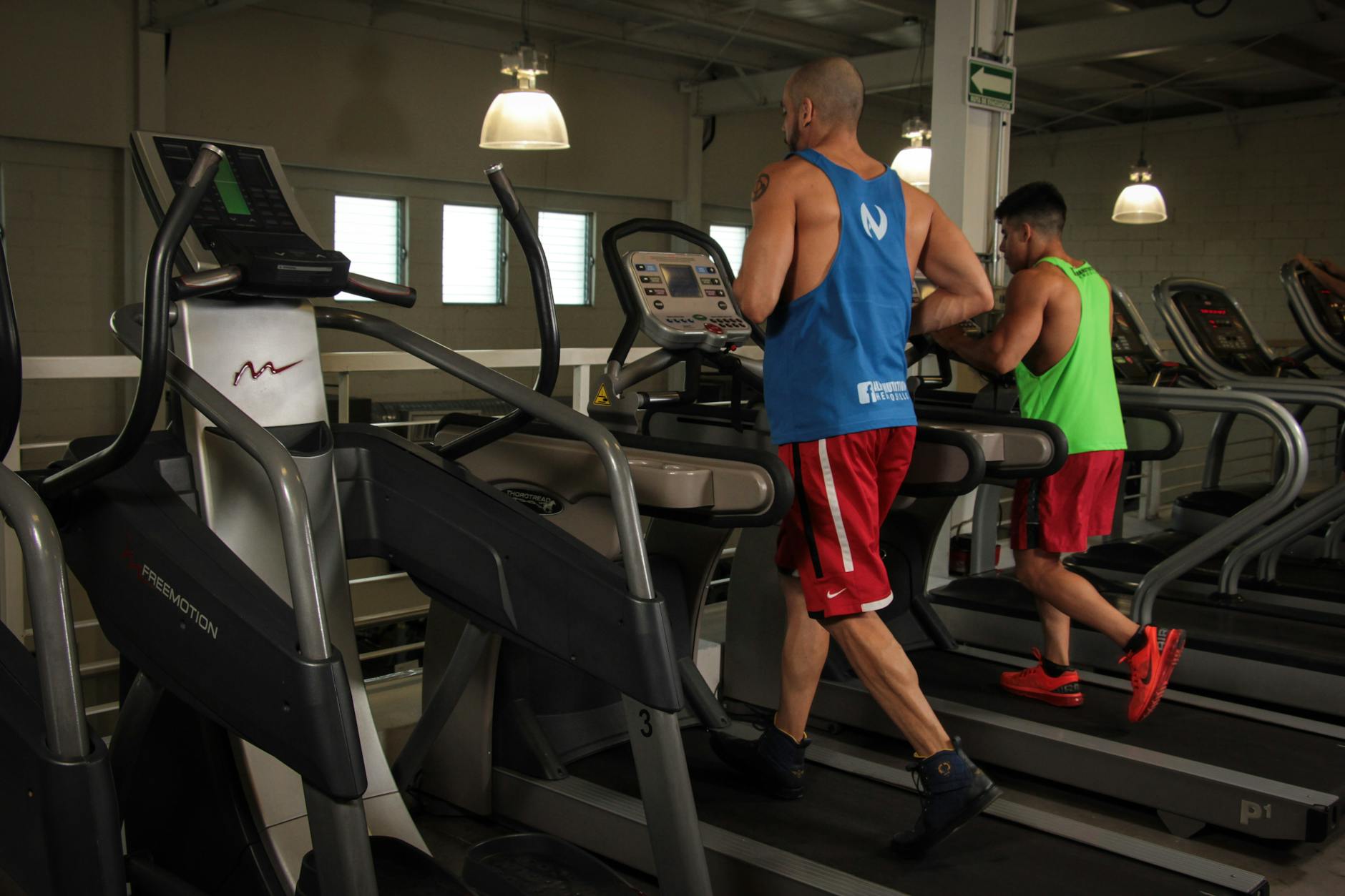
Treadmill running creates distinctive wear patterns that reveal how differently feet interact with belt surfaces compared to outdoor terrain. Studies using pressure mapping technology show that treadmill runners typically demonstrate more concentrated heel strike patterns and reduced forefoot spread during push-off. The moving belt assists leg turnover in ways that subtly alter foot mechanics, often leading runners to land with less ankle dorsiflexion and maintain a more vertical tibia angle through stance phase. These biomechanical shifts matter for shoe fit because they change which parts of the foot bear the most stress.
The heel counter becomes more critical since the consistent surface encourages heel striking even in runners who naturally midfoot strike outdoors. The toe box experiences different demands because the assisted belt movement can reduce natural toe splay during push-off, potentially masking fit issues that would be immediately apparent on pavement. Research published in Gait and Posture found that plantar pressure distribution during treadmill running showed 15-20 percent higher peak pressures in specific zones compared to overground running at matched speeds. The implications extend beyond simple comfort:.
- Shoes that feel adequately cushioned outdoors may bottom out under concentrated treadmill forces
- Heel cups that grip sufficiently on varied terrain may slip during the identical motion pattern of belt running
- Arch support that adapts naturally to outdoor surface changes may create rigid pressure points on uniform surfaces
- Midsole compression patterns differ, with treadmill running creating more localized breakdown in specific zones
Why Traditional Shoe Fitting Advice Falls Short for Indoor Runners
Conventional running shoe fitting focuses heavily on terrain matching. Trail shoes get fitted with stability for uneven ground. Road shoes get selected for pavement responsiveness. Racing flats get chosen for track performance. This terrain-centric approach serves outdoor runners well but leaves a critical gap for those logging significant treadmill miles.
The questions asked during traditional fitting sessions rarely address the unique demands of belt running. Standard fitting protocols assess factors like pronation control, arch support, and cushioning level based on assumptions about surface variability that simply do not apply to treadmills. A runner with mild overpronation might be fine in a neutral shoe outdoors where terrain variations naturally diversify loading patterns, but that same runner may develop problems on a treadmill where the overpronation repeats identically thousands of times. The fitting paradigm needs adjustment to account for the repetitive stress environment that treadmill running creates. Common fitting oversights for treadmill runners include:.
- Assuming outdoor test runs in the store predict treadmill performance
- Focusing on cushioning thickness rather than cushioning consistency over repeated compressions
- Overlooking heel counter fit in favor of forefoot flexibility assessments
- Neglecting to consider how temperature changes in climate-controlled gyms affect fit through reduced foot swelling
How to Assess Proper Shoe Fit for Treadmill Training Sessions
Evaluating shoe fit for treadmill running requires specific assessments beyond the standard walk-around and short jog that most retailers offer. The controlled environment that makes treadmill running repetitive also makes it an excellent diagnostic tool. A focused treadmill fitting session can reveal issues that would take weeks of outdoor running to surface.
Start by running at your typical training pace for at least ten minutes in any shoe you are evaluating. Pay attention to whether the heel stays locked without slipping, whether the toe box allows natural spread without excessive movement, and whether any pressure points emerge during the run rather than just at the start. The consistency of treadmill running means problems show up faster and more clearly than they would on varied terrain where compensatory movements mask underlying fit issues. Key assessment criteria for treadmill-specific fit:.
- Heel lockdown should feel secure without creating friction hotspots after 500+ steps
- Midfoot wrap should distribute lacing pressure evenly across the top of the foot throughout the gait cycle
- Toe box should allow approximately a thumbnail width of space while preventing lateral sliding during push-off
- Overall length should accommodate any forward foot movement without toe contact at the front of the shoe
- Cushioning should feel consistent from first step to final mile without noticeable compression fatigue
Common Treadmill Running Injuries Linked to Poor Shoe Fit
The repetitive nature of treadmill running transforms minor fit deficiencies into significant injury risks over time. Understanding which injuries correlate with specific fit problems helps runners identify and address issues before they become debilitating. Sports medicine data indicates that treadmill runners experience different injury patterns than their outdoor counterparts, with several conditions showing clear connections to footwear fit. Plantar fasciitis rates tend to run higher among dedicated treadmill users, particularly those wearing shoes with inadequate arch support for their foot type.
The consistent surface eliminates the natural arch loading variation that outdoor terrain provides, meaning the fascia experiences identical tension with each step. Black toenails and blisters occur more frequently in shoes with improper toe box dimensions since the repetitive motion pattern creates sustained friction rather than the varied contact outdoor running produces. Achilles tendinopathy often develops when heel drop and heel counter fit combine poorly for a runner’s biomechanics, with the treadmill environment amplifying the problematic loading pattern. Other fit-related conditions common among treadmill runners:.
- Metatarsalgia from shoes that are too narrow or have inadequate forefoot cushioning for concentrated belt impact
- IT band syndrome exacerbated by shoes that do not adequately control foot motion during the identical stride pattern
- Stress reactions in runners whose cushioning compresses unevenly, creating asymmetric loading over high mileage weeks

The Role of Temperature and Environment in Treadmill Shoe Fit
Indoor running environments create conditions that affect shoe fit in ways outdoor runners rarely consider. Most gyms and home workout spaces maintain temperatures between 68 and 74 degrees Fahrenheit with relatively low humidity. These controlled conditions reduce foot swelling compared to outdoor running in warm weather, which can lead runners to select shoes that fit well in the gym but would feel restrictive outside.
The temperature factor works both ways. Runners who primarily train outdoors in summer conditions may find their usual shoes feel slightly loose on winter treadmill sessions when their feet do not swell as much. This creates subtle fit inconsistencies that compound over long indoor runs. Additionally, the lack of wind cooling on treadmills means feet still generate significant heat despite the air conditioning, potentially creating moisture management challenges that affect how shoes grip the foot throughout a workout.
How to Prepare
- **Assess your current shoes on the treadmill specifically** by running at least 20 minutes at tempo pace while paying attention to any heel slip, toe crowding, or hotspot development. Take notes immediately after finishing since sensations fade quickly once you step off the belt.
- **Measure your feet at the time of day you typically run** because foot volume fluctuates throughout the day. Treadmill runners who train in early mornings need different considerations than those who run after work when feet have swelled from daily activity.
- **Evaluate your running socks as part of the fit equation** since treadmill-specific moisture and temperature conditions may require different sock weights or materials than outdoor running. Thin, moisture-wicking socks often outperform thicker cushioned options on belts.
- **Check your current shoes for uneven wear patterns** that indicate fit problems specific to your treadmill gait. Concentrated wear in specific zones rather than generalized wear suggests fit issues that the repetitive treadmill motion is amplifying.
- **Consider having a gait analysis performed on a treadmill** rather than outdoors or on a short in-store runway. The controlled environment provides cleaner data about your natural running mechanics and helps identify fit needs specific to your belt running form.
How to Apply This
- **Rotate between two pairs of treadmill shoes** with slightly different fit characteristics to introduce some loading variation into your indoor training. This mimics the natural variability that outdoor terrain provides and reduces repetitive stress concentration.
- **Relace your shoes specifically for treadmill running** using techniques that emphasize heel lockdown and even midfoot pressure distribution. The parallel lacing method or runner’s loop at the top eyelet often improves treadmill-specific fit without requiring new shoes.
- **Replace treadmill training shoes more frequently** than outdoor shoes because the concentrated wear patterns cause localized breakdown that may not be visible but affects fit and cushioning consistency. Track mileage carefully rather than relying on visual inspection.
- **Test any new shoes exclusively on the treadmill** for at least three sessions before mixing them into outdoor training. This allows you to evaluate treadmill-specific fit without the confounding variables of terrain variation.
Expert Tips
- **Break in new treadmill shoes gradually** by starting with shorter sessions of 15-20 minutes and building up. The repetitive nature of belt running can cause fit issues to escalate faster than outdoor break-in periods would suggest.
- **Keep a fit journal noting any discomfort by location and session length** because treadmill fit problems often follow predictable patterns that emerge over time rather than appearing immediately.
- **Consider shoes with higher heel-to-toe drops for treadmill training** even if you prefer lower drops outdoors. The belt’s assistance reduces the need for natural foot mechanics that low-drop shoes encourage, and the additional heel cushioning helps manage repetitive impact.
- **Pay attention to how your feet feel in the final miles of long treadmill runs** since this reveals how shoes perform as cushioning compresses and feet swell. Fit that feels perfect at mile one but problematic at mile eight needs addressing.
- **Do not assume that more cushioning equals better treadmill performance** because excessively soft shoes can create instability during the repetitive motion pattern, leading to compensatory movements that cause problems elsewhere in the kinetic chain.
Conclusion
The relationship between treadmill running and shoe fit represents one of the most overlooked aspects of indoor training. The controlled, repetitive environment of belt running eliminates the natural loading variation that outdoor terrain provides, transforming shoes that perform adequately outside into potential sources of injury and discomfort inside. Understanding this fundamental difference empowers runners to make informed footwear decisions that account for the unique demands of treadmill training rather than simply defaulting to terrain-focused fitting advice.
Moving forward, runners who log significant treadmill miles should evaluate their shoes specifically for indoor use, considering factors like heel lockdown, toe box dimensions, cushioning consistency, and temperature-related fit changes. The investment in treadmill-specific fitting pays dividends through reduced injury risk, improved comfort over long sessions, and better training consistency. Whether treadmill running serves as your primary training mode or a supplement to outdoor miles, giving proper attention to shoe fit for this environment will make those indoor sessions more productive and sustainable over the long term.
Frequently Asked Questions
How long does it typically take to see results?
Results vary depending on individual circumstances, but most people begin to see meaningful progress within 4-8 weeks of consistent effort. Patience and persistence are key factors in achieving lasting outcomes.
Is this approach suitable for beginners?
Yes, this approach works well for beginners when implemented gradually. Starting with the fundamentals and building up over time leads to better long-term results than trying to do everything at once.
What are the most common mistakes to avoid?
The most common mistakes include rushing the process, skipping foundational steps, and failing to track progress. Taking a methodical approach and learning from both successes and setbacks leads to better outcomes.
How can I measure my progress effectively?
Set specific, measurable goals at the outset and track relevant metrics regularly. Keep a journal or log to document your journey, and periodically review your progress against your initial objectives.
When should I seek professional help?
Consider consulting a professional if you encounter persistent challenges, need specialized expertise, or want to accelerate your progress. Professional guidance can provide valuable insights and help you avoid costly mistakes.
What resources do you recommend for further learning?
Look for reputable sources in the field, including industry publications, expert blogs, and educational courses. Joining communities of practitioners can also provide valuable peer support and knowledge sharing.