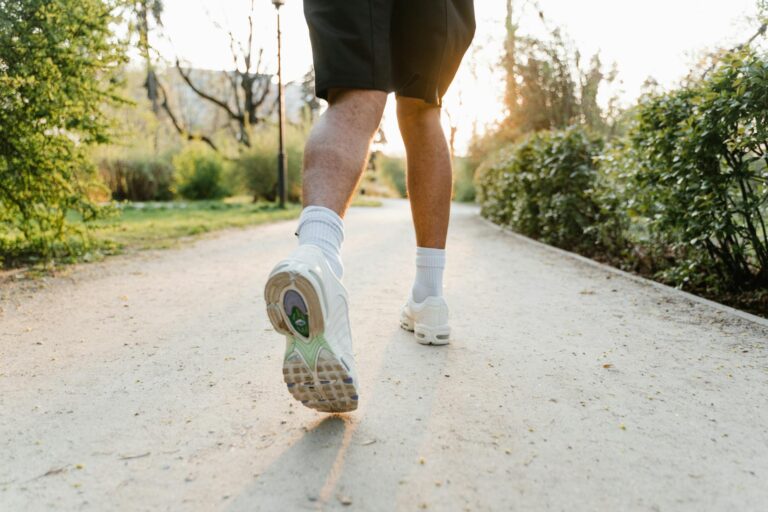
When shopping for running shoes to handle rainy conditions, you need to prioritize three things above all else: outsole grip on wet surfaces, a waterproof or water-resistant upper, and a tread pattern with channels that disperse standing water. In dry conditions, nearly any running shoe outsole will do the job — SoleReview notes that 99% of outsoles deliver sufficient grip on dry pavement. But the moment rain hits, the outsole becomes the single most important component of the shoe, and the differences between brands become dramatic. A runner lacing up a pair with worn-down treads on a slick road is taking a genuine safety risk, not just courting discomfort. The good news is that the market has matured considerably.
GORE-TEX membranes remain the industry standard for waterproofing, and you can spot compatible models by looking for “GTX” in the shoe name. Brands like Nike and adidas have also developed proprietary alternatives such as Storm-Tread and RAIN.RDY technology. But waterproofing is only part of the equation, and in some conditions, it is not even the most important part. This article covers the specific grip compounds and tread designs that perform best on wet roads and trails, the real tradeoffs of waterproof membranes, top-rated rainy season models for 2026, and the sock and maintenance strategies that round out a proper wet-weather kit. Before you click “add to cart” on a shoe just because it says waterproof on the box, it is worth understanding what actually keeps you upright and comfortable when the skies open. The details matter more here than in almost any other shoe-buying decision.
Table of Contents
- What Makes a Running Shoe Safe and Effective During the Rainy Season?
- Waterproof Membranes in Running Shoes — How They Work and When They Fall Short
- The Best Waterproof Running Shoes for Rainy Conditions in 2026
- How to Choose Between Waterproof and Non-Waterproof Running Shoes for Rain
- Why Your Socks Matter as Much as Your Shoes in Wet Weather
- Maintaining Traction — When to Replace Your Wet-Weather Running Shoes
- The Future of Wet-Weather Running Shoe Design
- Conclusion
What Makes a Running Shoe Safe and Effective During the Rainy Season?
The answer starts underfoot. Outsole rubber compound and tread design are what separate a confident wet-weather runner from someone white-knuckling every turn. Independent friction testing from RunRepeat quantified the gap between brands: ASICSGRIP rubber scored 0.79 in wet-grip tests, which is 64.6% above the average, while PumaGrip scored 0.65, or 35.4% above average. Nike, Mizuno, and Under Armour all ranked lower in the same wet-grip assessments. If you have ever felt your feet slide slightly on a rain-slicked crosswalk, the rubber compound is almost certainly the reason. Beyond the compound itself, the physical tread pattern matters enormously. Look for grooves and channels cut into the outsole that can disperse water away from the contact patch, much like the tread on a car tire.
The deeper and more numerous these channels, the better the shoe will grip on wet pavement or muddy trails. Trail-specific shoes with deep lugs and Vibram outsoles — the Merrell Agility Peak 5 GTX is a prime example — offer the best wet traction available, though they are overkill for road running. For road runners, a shoe with siped rubber and visible drainage channels is the practical sweet spot. It is also worth noting that traction is not a permanent feature. Research published in PMC found that tracking outsole wear and replacing shoes proactively reduces slip-and-fall risk. The numbers are sobering: in the United States, 28% of all non-fatal occupational injuries are due to slips, trips, and falls, with 40 to 50% of those fall injuries attributed to slipping. Running shoes wear down faster than most people realize, and a shoe that gripped well six months ago may now be dangerously smooth. Check your outsoles regularly, and retire shoes before the tread flattens out completely.

Waterproof Membranes in Running Shoes — How They Work and When They Fall Short
GORE-TEX is the name most runners associate with waterproof footwear, and for good reason. The membrane is used across nearly every major brand, from Brooks to HOKA to Nike, and it has decades of refinement behind it. When you see “GTX” in a shoe’s name, you are getting a proven barrier against rain, puddles, and wet trail conditions. Other technologies exist — adidas uses RAIN.RDY and Nike has developed Storm-Tread — but GORE-TEX remains the benchmark. However, waterproof does not mean perfect. There is a real and unavoidable tradeoff: waterproof shoes are heavier and less breathable than their non-waterproof counterparts.
The same membrane that blocks rain from getting in also slows drainage and traps heat inside the shoe. On a warm, humid day with light rain, a waterproof shoe can actually leave your feet wetter than a breathable mesh shoe would, because your sweat has nowhere to go. Live for the Outdoors has highlighted this as a consistent limitation across all waterproof trail running shoes, regardless of brand. This means the smart approach is conditional. For heavy downpours, runs through deep puddles, or cold-weather rain where keeping feet dry is essential for warmth, a fully waterproof GTX shoe is the right call. But for light rain on a mild day, a breathable non-waterproof shoe with excellent grip may actually be preferable — as Treeline Review recommends, these shoes drain faster if water does get in, and they keep your feet cooler overall. Owning both options and choosing based on conditions is the most practical strategy for year-round rainy season running.
The Best Waterproof Running Shoes for Rainy Conditions in 2026
If you are looking for a specific recommendation, the current crop of waterproof trainers is strong. The Brooks Ghost 17 GTX takes the brand’s most popular everyday trainer and adds a waterproof upper with enhanced wet grip and a highly durable outsole. It is the straightforward choice for road runners who want rain protection without changing their stride or shoe feel. Fleet Feet ranks it among the top waterproof options for 2026, and the non-GTX Ghost has long been one of the best-selling neutral trainers in the world, so the platform is well proven. For runners who prioritize cushioning, the HOKA Clifton 9 GTX wraps a GORE-TEX upper around HOKA’s signature super-cushioned lightweight midsole.
It also includes 360-degree reflectivity — a genuine safety feature for dark, rainy runs — and weather-ready traction pods on the outsole. On the Nike side, the Vomero 18 GTX pairs Storm-Tread wet-traction rubber with a wind, water, and cold protection upper, making it one of the more comprehensively weather-shielded road shoes available. For trail runners, the Nike Pegasus Trail 4 GTX offers a full GORE-TEX upper with an Invisible Fit membrane, keeping the waterproof layer close to the foot without adding bulk. Each of these shoes represents a different philosophy — the Ghost prioritizes familiar ride feel, the Clifton leans into max cushion, the Vomero aims for all-weather protection, and the Pegasus Trail is built for off-road. The best choice depends on where and how you run, not just on which shoe has the highest waterproof rating.
How to Choose Between Waterproof and Non-Waterproof Running Shoes for Rain
The decision between a waterproof shoe and a well-gripping breathable shoe is not as obvious as it might seem. A fully sealed GTX shoe excels in heavy rain, standing water, and cold temperatures where wet feet lead to dangerous heat loss. But that same shoe, worn on a drizzly spring morning, can become a swamp of trapped perspiration. The weight penalty is real too — waterproof membranes add material, and that extra mass compounds over the course of a long run. The practical comparison comes down to your typical conditions. If you run in a climate where rainy season means sustained downpours and temperatures below 50 degrees Fahrenheit, waterproof is the clear winner.
If your rain tends to be intermittent and temperatures stay moderate, a breathable shoe with strong wet-grip rubber — something with an ASICSGRIP or comparable high-traction compound — will often keep you more comfortable. The breathable shoe gets wet faster but also dries faster, and it will not trap heat against your skin. Many experienced wet-weather runners keep both types in rotation and decide based on the morning forecast. One point that often gets overlooked: regardless of which type you choose, the outsole grip matters more than the upper. A waterproof shoe with a poor-grip outsole is more dangerous than a breathable shoe with excellent wet traction. Dry feet mean nothing if you are sliding through every turn.
Why Your Socks Matter as Much as Your Shoes in Wet Weather
Even the best waterproof shoe cannot fully eliminate moisture. Sweat builds up inside the shoe, puddles sometimes overtop the collar, and no membrane is perfectly impervious over thousands of miles. This is where sock choice becomes critical. Moisture-wicking socks made from polyester, nylon, or merino wool blends pull sweat and ambient moisture away from the skin, reducing the friction that causes blisters and the cold that leads to numbness. Runners Need emphasizes that moisture-wicking socks are essential regardless of shoe choice for rainy conditions. Cotton socks are the one clear mistake to avoid.
Cotton absorbs water and holds it against the skin, creating a soggy, blister-prone environment inside the shoe. Even a top-tier waterproof shoe paired with cotton socks will leave you with cold, macerated feet by the end of a long wet run. Merino wool is particularly effective because it manages moisture while retaining warmth, making it ideal for cold-rain scenarios. For warmer wet conditions, a thin synthetic blend dries fastest and keeps weight to a minimum. A word of caution: do not assume that expensive socks automatically wick better. The material composition is what matters, not the price tag. Check the label for polyester, nylon, or merino content above 50%, and avoid any sock with significant cotton content if you plan to run in the rain.
Maintaining Traction — When to Replace Your Wet-Weather Running Shoes
The grip that made your shoes feel planted on rainy roads in month one will not last forever. Outsole rubber wears down with every mile, and the channels and grooves that disperse water gradually flatten. Research from PMC underscores that proactive outsole wear tracking and timely shoe replacement are effective strategies for reducing slip-and-fall risk. Given that slipping accounts for 40 to 50% of fall-related injuries, this is not a minor concern.
A practical test: flip your shoes over and run your thumb across the outsole. If the grooves feel shallow or the rubber looks smooth and polished in the forefoot and heel strike zones, traction is compromised. Most running shoes are designed for 300 to 500 miles, but wet-condition running can accelerate wear, especially on abrasive pavement. If you run primarily in rain, inspect your outsoles every month rather than waiting for a mileage milestone.
The Future of Wet-Weather Running Shoe Design
The gap between waterproof and non-waterproof running shoes is narrowing. New membrane technologies are getting thinner and more breathable, and outsole rubber compounds are being engineered specifically for wet-surface friction rather than being adapted from dry-condition designs.
The fact that brands like ASICS and Puma are now outperforming legacy names in wet-grip testing suggests that targeted R&D is paying off, and runners can expect continued improvement in the coming years. As more runners train year-round regardless of weather, the demand for shoes that handle rain without significant performance penalties will only grow. The ideal rainy season shoe — one that grips like a trail shoe, breathes like a mesh trainer, and keeps water out without trapping heat — does not quite exist yet, but the current generation is closer than any before it.
Conclusion
Choosing the right running shoe for rainy conditions comes down to a clear hierarchy of priorities: wet-surface grip first, waterproofing second, and comfort and fit close behind. The outsole compound and tread pattern are your first line of defense against slipping, and the data shows that brand choice matters far more on wet pavement than on dry. ASICSGRIP and PumaGrip lead the field in friction testing, while GORE-TEX remains the gold standard for waterproof membranes.
Pair any wet-weather shoe with moisture-wicking socks, and inspect your outsoles regularly to catch wear before it becomes a hazard. Whether you go fully waterproof or opt for a breathable shoe with excellent grip depends on your climate and conditions. There is no single best answer, only the best answer for your running environment. Test your shoes in light rain before relying on them in a downpour, rotate between options when possible, and remember that the most expensive shoe is not always the safest one on a wet road — the one with the best grip is.