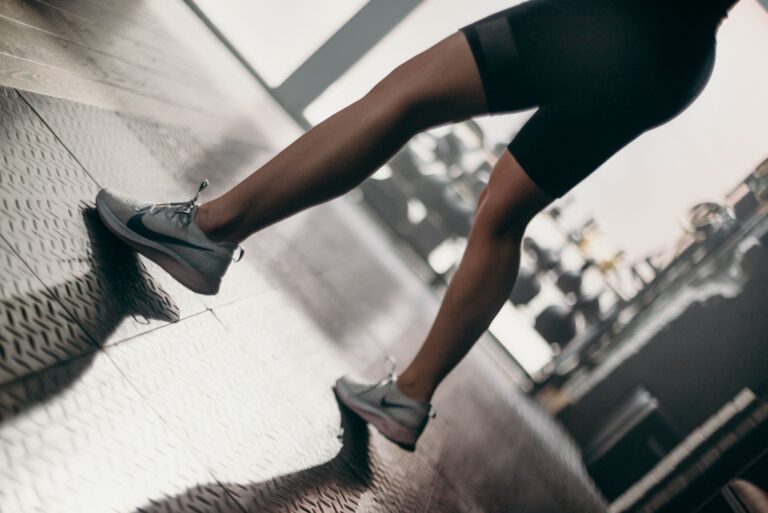
Serious runners invest in long-distance running shoes because the accumulated stress of high-mileage training demands specialized protection that standard running shoes simply cannot provide. When you consistently log 40, 60, or 80 miles per week, the difference between a shoe designed for occasional 5K runs and one engineered for marathon distances translates directly into injury prevention, sustainable performance, and the ability to train consistently month after month. A runner preparing for a marathon will strike the ground approximately 50,000 times during the race alone, and each impact generates forces two to three times their body weight. Long-distance specific shoes address this reality with enhanced cushioning systems, more durable materials, and designs that account for how foot mechanics change as fatigue sets in over extended efforts.
Consider the experience of masters-level runners who often train into their 50s and beyond while maintaining sub-3:30 marathon times. These athletes almost universally report that transitioning to dedicated long-distance shoes extended their running careers by allowing them to absorb the training volume necessary for competitive performance without breaking down. The investment typically ranges from $150 to $250 per pair, but when a serious runner goes through four to six pairs annually, the cost becomes a calculated line item rather than an impulse purchase. This article examines why the specialized construction of long-distance shoes matters, how to identify the features that justify the higher price points, and when investing in this category of footwear makes sense versus when it might be unnecessary. We will also cover the practical steps for selecting, testing, and maintaining these shoes to maximize their value.
Table of Contents
- What Makes Long-Distance Running Shoes Worth the Investment?
- How Cushioning Technology Protects High-Mileage Runners
- The Role of Stability and Support in Preventing Overuse Injuries
- Matching Shoe Selection to Training Demands and Race Goals
- Common Mistakes When Selecting Long-Distance Footwear
- How Terrain and Climate Influence Long-Distance Shoe Requirements
- How to Prepare
- How to Apply This
- Expert Tips
- Conclusion
- Frequently Asked Questions
What Makes Long-Distance Running Shoes Worth the Investment?
The fundamental difference between long-distance running shoes and their shorter-distance counterparts lies in how they manage energy return and cushion degradation over time. Standard running shoes typically perform well for the first 30 to 45 minutes of use, but their foam compounds begin losing responsiveness precisely when a long-distance runner needs them most. Premium long-distance shoes utilize advanced foam technologies like Nike’s ZoomX, Saucony’s PWRRUN PB, or Adidas’s Lightstrike Pro that maintain their cushioning properties for hours rather than minutes. Laboratory testing has shown these materials retain 85 to 90 percent of their energy return characteristics even after two hours of continuous impact, compared to 60 to 70 percent retention in conventional EVA foams. The investment also reflects durability engineering that accounts for high-mileage training cycles.
A recreational runner covering 15 miles per week might use a single pair of shoes for an entire year, but a serious runner logging 50-plus weekly miles will wear through standard shoes in eight to ten weeks. Long-distance specific models often incorporate reinforced outsole rubber in high-wear zones and upper materials selected for their resistance to the repetitive stress of long runs. The Brooks Glycerin 21, for example, uses a DNA LOFT v3 midsole that independent testing has shown maintains consistent cushioning properties through 400 miles of use, whereas budget alternatives often feel noticeably dead by 250 miles. Comparing the cost per mile reveals the true economics. A $100 shoe that lasts 300 miles costs approximately 33 cents per mile, while a $180 shoe engineered to last 500 miles costs 36 cents per mile. The marginal difference of three cents per mile often delivers meaningfully better protection during the miles that matter most, specifically the final third of long training runs when form deteriorates and injury risk increases.

How Cushioning Technology Protects High-Mileage Runners
Modern long-distance shoes employ multi-density foam systems that respond differently to varying impact forces throughout the gait cycle. The initial ground contact during heel or midfoot strike generates peak forces that require shock absorption, while the toe-off phase benefits from firmer, more responsive foam that facilitates propulsion. Brands like ASICS engineer their GEL technology to compress under high-impact forces while remaining stable under lower loads, creating a dynamic cushioning response that adjusts to the runner’s needs stride by stride. This sophistication matters enormously when multiplied across thousands of repetitions during a long run or race. However, more cushioning is not universally better, and this represents an important limitation of the maximalist shoe trend. Runners with strong proprioceptive awareness and well-developed foot strength may actually perform worse in heavily cushioned shoes because the additional foam creates instability and reduces ground feel.
If you have successfully trained for marathons in moderate-cushion shoes without injury, switching to maximum cushioning could alter your mechanics in ways that create new problems. The decision should be based on personal injury history, running surface, and biomechanical needs rather than marketing claims about foam stack heights. Research from the University of Calgary’s Human Performance Laboratory has demonstrated that optimal cushioning levels vary significantly between individuals. Their studies found that some runners experienced reduced oxygen consumption in softer shoes while others showed the opposite response. This explains why elite athletes sometimes choose surprisingly firm shoes for marathon racing. The investment in long-distance shoes should therefore include time spent testing different cushioning levels rather than assuming the maximum available cushioning is ideal.
The Role of Stability and Support in Preventing Overuse Injuries
Long-distance running progressively fatigues the muscles responsible for maintaining proper foot and ankle alignment, which is why stability features become increasingly important as runs extend beyond an hour. Fresh legs can compensate for minor pronation tendencies, but at mile 18 of a marathon, those same tendencies become pronounced and potentially injurious. Dedicated long-distance shoes often incorporate medial post reinforcement, wider platforms, or guide rails that provide passive support when active muscular control diminishes. The ASICS GT-2000 series exemplifies this approach with its FlyteFoam Propel technology positioned to counter excessive inward roll without creating the rigid, unnatural feel of traditional motion control shoes. A specific example illustrates this protective function.
Plantar fasciitis, one of the most common running injuries, often develops not from a single traumatic event but from accumulated microtrauma during the late stages of long runs when arch support deteriorates. Runners who switched from neutral long-run shoes to models with modest arch reinforcement have reported resolution of chronic plantar issues that had persisted through multiple treatment attempts. The Brooks Adrenaline GTS and Saucony Guide lines have built loyal followings among high-mileage runners specifically because they provide this late-run support without compromising early-run comfort. The tradeoff with stability features involves weight and flexibility. Adding supportive elements typically increases shoe weight by 0.5 to 1.5 ounces and reduces the natural foot articulation that some runners prefer. Serious runners must evaluate whether the injury prevention benefits outweigh the minor performance costs, a calculation that often favors stability for daily training shoes while reserving lighter, more flexible options for racing.

Matching Shoe Selection to Training Demands and Race Goals
The concept of shoe rotation, maintaining three to four different pairs for different purposes, represents a significant shift from how recreational runners approach footwear but is standard practice among serious distance runners. This rotation might include a cushioned daily trainer for easy miles, a lighter tempo shoe for workouts, a long-run specific model with maximum protection, and potentially a carbon-plated racer for competition. Each shoe serves a specific function, and attempting to use a single shoe for all purposes inevitably means compromising somewhere. When comparing the demands of a recovery day to those of a 20-mile marathon simulation, the mismatch becomes obvious. Recovery runs should feel effortless and protective, with no concern for pace or weight.
Long runs require shoes that maintain their cushioning characteristics deep into the effort when fatigue accumulates. The New Balance Fresh Foam More v4, with its 34mm stack height, exemplifies the long-run specialist category, providing protection that would feel excessive for a track workout but proves invaluable at mile 16 of a progression long run. The tradeoff with building a rotation involves cost and complexity. Four pairs of premium shoes represents an investment of $600 to $1,000, and managing which shoe to use for which workout adds a layer of decision-making that some runners find burdensome. Runners newer to high-mileage training might start with just two shoes, a cushioned daily trainer and a lighter workout option, adding specialized long-run shoes only after establishing consistent volume.
Common Mistakes When Selecting Long-Distance Footwear
Perhaps the most frequent error serious runners make is selecting shoes based on racing considerations rather than training realities. The carbon-plated super shoes that dominate marathon podiums were designed for race day performance, not for the hundreds of training miles that precede competition. Using a Nike Vaporfly or Adidas Adios Pro for daily training not only depletes expensive shoes prematurely but also exposes the feet and legs to a level of responsiveness that can cause overuse injuries when accumulated over high weekly mileage. The same technology that provides a performance boost on race day creates excessive stress when applied to a 70-mile training week. Another significant mistake involves ignoring the effects of cumulative fatigue when fitting shoes. Many runners shop for shoes in the morning or after rest days when their feet are at their smallest and freshest.
However, feet predictably swell during long runs, sometimes by half a size or more. Serious runners should fit long-distance shoes later in the day and ideally after a run, ensuring adequate toe box space for the swelling that will occur during their longest efforts. Shoes that feel perfect in the store but cause black toenails after 15-mile runs represent a fitting failure that could have been prevented. The limitation of relying solely on gait analysis technology deserves mention as well. While in-store pressure plate assessments provide useful data points, they capture only a snapshot of mechanics that change significantly as fatigue accumulates. A runner might show neutral pronation during a fresh 30-second treadmill assessment but develop substantial overpronation after 90 minutes of road running. Personal history and long-run experience should inform shoe selection at least as much as technological analysis.

How Terrain and Climate Influence Long-Distance Shoe Requirements
Runners training in extreme conditions face additional considerations that standard shoe recommendations often overlook. Heat and humidity accelerate foam breakdown and reduce cushioning effectiveness, meaning runners training through southern summers may need to replace shoes more frequently than the standard 400-500 mile guideline suggests. The combination of 95-degree pavement and extended sun exposure can degrade EVA compounds faster than laboratory conditions predict, leaving runners with compromised protection precisely when heat stress already challenges their systems.
Trail runners logging long distances confront different demands, requiring shoes that balance cushioning with protection from rocks and roots while providing traction on variable surfaces. The Hoka Speedgoat line has become a favorite among ultramarathon runners because it delivers road-shoe cushioning levels with trail-appropriate outsole grip and rock plate protection. Attempting to use road-specific long-distance shoes on technical trails risks not only shoe damage but also ankle injuries from inadequate lateral stability.
How to Prepare
- **Audit your current training volume and injury history.** Review your running logs from the past three to six months to calculate weekly mileage and identify any recurring injuries or discomfort patterns. Runners consistently exceeding 30 miles per week with long runs of 12 miles or more typically benefit from dedicated long-distance shoes.
- **Evaluate your current shoes for wear patterns.** Examine the midsoles of your existing running shoes by pressing your thumb into the foam and comparing the compression to a new shoe of the same model. Significant differences indicate cushioning degradation that might be contributing to fatigue or discomfort.
- **Research specialty running stores in your area.** Identify retailers staffed by experienced runners who can provide gait analysis and shoe recommendations based on your specific needs. Avoid big-box sporting goods stores where staff may lack distance running expertise.
- **Establish a budget that accounts for rotation needs.** Plan for purchasing at least two pairs of shoes, a primary long-run model and a secondary daily trainer, rather than attempting to use a single shoe for all purposes.
- **Schedule your fitting strategically.** Book your shoe fitting appointment for late afternoon or evening, preferably after completing a run earlier in the day, to ensure accurate sizing for fatigued, slightly swollen feet.
How to Apply This
- **Introduce new shoes gradually.** Wear your new long-distance shoes for progressively longer runs over two to three weeks, starting with 4-6 mile efforts before using them for full long-run sessions. This allows the foam to begin conforming to your foot shape while giving your legs time to adapt to the new cushioning characteristics.
- **Track mileage on each pair.** Use a training app like Strava or a simple spreadsheet to log miles on specific shoes. This prevents using degraded cushioning unknowingly and helps you identify when performance begins declining, typically between 400 and 500 miles for quality long-distance models.
- **Rotate shoes based on workout type.** Reserve your long-distance specific shoes for runs exceeding 90 minutes or 12 miles, using different shoes for shorter daily runs and speed work. This extends the lifespan of your investment while ensuring maximum protection when you need it most.
- **Store shoes properly between uses.** Remove insoles after long runs to allow complete drying and avoid leaving shoes in hot cars or direct sunlight where heat can accelerate foam degradation. Allow at least 24 hours between uses of the same pair to let the foam fully recover its cushioning properties.
Expert Tips
- Replace long-distance shoes based on feel and performance, not arbitrary mileage numbers. Some shoes lose their effectiveness at 350 miles while others remain protective past 500; your legs provide better feedback than your training log.
- Do not save your long-distance shoes exclusively for races or special occasions. The cushioning and support benefits are most valuable during training when you are accumulating volume, not on race day when adrenaline masks discomfort.
- Consider purchasing two pairs of your preferred long-distance model simultaneously. Alternating between identical shoes allows each pair to fully recover between uses and often extends the combined lifespan beyond what sequential use would provide.
- Test shoes on surfaces similar to where you will actually train. Treadmill testing in a store does not reveal how a shoe performs on concrete, asphalt, or packed dirt where you will log real miles.
- Avoid transitioning to a dramatically different shoe type immediately before a goal race. If switching from moderate to maximum cushioning or from neutral to stability shoes, allow at least six to eight weeks of training to adapt before racing.
Conclusion
The investment serious runners make in long-distance specific footwear reflects a practical understanding of how accumulated impact stress affects the body over months and years of training. The enhanced cushioning technologies, durability engineering, and fatigue-resistant designs found in these shoes provide measurable protection that standard running shoes cannot match when mileage consistently exceeds recreational levels.
While the upfront cost is higher, the true economics favor shoes designed for the demands of marathon training and high-volume programs. For runners ready to make this investment, the path forward involves honest assessment of training volume and goals, proper fitting that accounts for late-run foot conditions, and implementation of a rotation system that uses the right tool for each workout purpose. The shoes alone will not make you faster or guarantee injury-free running, but they remove a significant barrier to consistent training, and consistency remains the single greatest predictor of long-term running success.
Frequently Asked Questions
How long does it typically take to see results?
Results vary depending on individual circumstances, but most people begin to see meaningful progress within 4-8 weeks of consistent effort. Patience and persistence are key factors in achieving lasting outcomes.
Is this approach suitable for beginners?
Yes, this approach works well for beginners when implemented gradually. Starting with the fundamentals and building up over time leads to better long-term results than trying to do everything at once.
What are the most common mistakes to avoid?
The most common mistakes include rushing the process, skipping foundational steps, and failing to track progress. Taking a methodical approach and learning from both successes and setbacks leads to better outcomes.
How can I measure my progress effectively?
Set specific, measurable goals at the outset and track relevant metrics regularly. Keep a journal or log to document your journey, and periodically review your progress against your initial objectives.
When should I seek professional help?
Consider consulting a professional if you encounter persistent challenges, need specialized expertise, or want to accelerate your progress. Professional guidance can provide valuable insights and help you avoid costly mistakes.
What resources do you recommend for further learning?
Look for reputable sources in the field, including industry publications, expert blogs, and educational courses. Joining communities of practitioners can also provide valuable peer support and knowledge sharing.