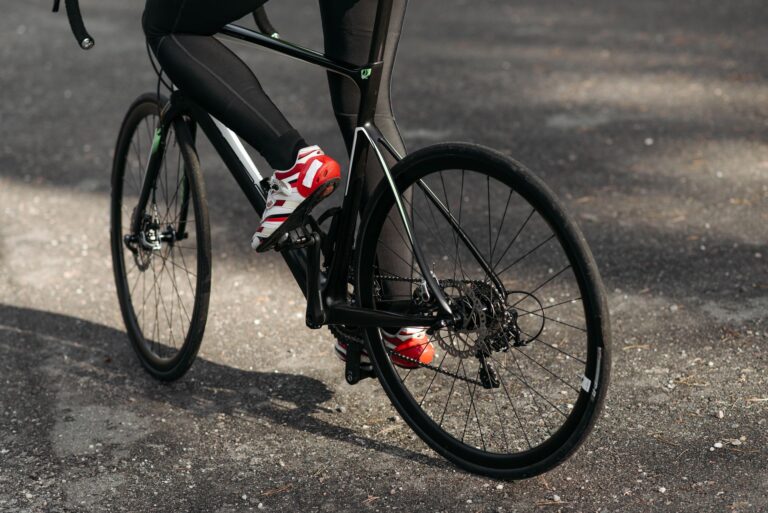
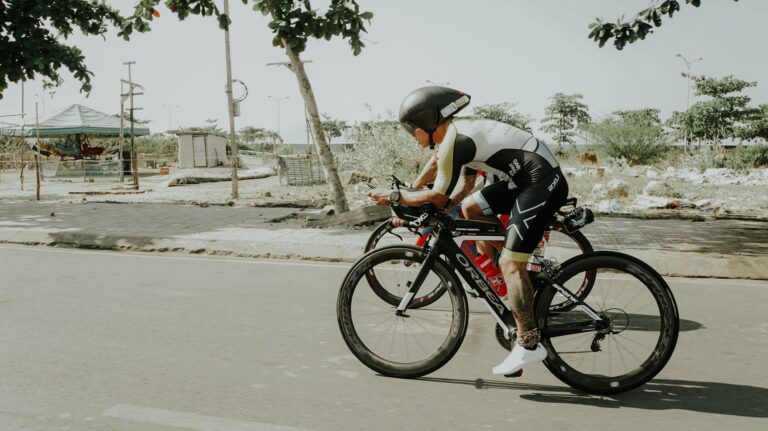
Chafing occurs when skin rubs repeatedly against clothing or other skin, causing friction that breaks down the skin’s outer layer and leads to irritation, redness, and pain. The condition develops when three factors combine: moisture (from sweat or rain), friction (from movement and fabric), and extended duration—which is why runners often experience chafing on longer runs. For example, a runner doing an 8-mile training run in humid conditions might develop chafing on their inner thighs, underarms, or along their sports bra line, where moisture accumulates and fabric moves continuously against skin.
The underlying mechanism is straightforward: your skin has a natural barrier of oils and dead skin cells that protects it. When friction breaks this barrier repeatedly while the area stays moist, the raw tissue underneath becomes exposed and inflamed. Some people are more prone to chafing due to genetics, body composition, or sensitive skin, but any runner can experience it under the right (or wrong) conditions. Prevention is far more effective than treatment, which is why understanding what causes chafing is essential for comfortable training.
Table of Contents
- Understanding the Three Core Causes of Chafing
- How Body Chemistry and Individual Factors Create Vulnerability
- Clothing and Gear as Friction Contributors
- Prevention Strategies That Actually Work
- Warning Signs and Advanced Prevention for Vulnerable Areas
- Environmental and Seasonal Variables
- Building Sustainable Running Habits and Knowledge
- Conclusion
Understanding the Three Core Causes of Chafing
The primary culprit behind chafing is the combination of moisture, friction, and time. Sweat and humidity create an environment where your skin becomes soft and more vulnerable to damage from rubbing. Cotton clothing, which many beginners wear, absorbs sweat and holds it against your skin—this is a critical mistake. Compare this to synthetic moisture-wicking fabrics that pull sweat away from your body: a runner in a cotton shirt on a 10K run will experience chafing far more readily than someone wearing technical gear designed to keep skin dry.
Friction intensity varies depending on your running style, body type, and terrain. A heavier runner, someone with more muscle mass, or anyone doing high-intensity sprint training will experience greater friction forces than a lighter runner at steady pace. Additionally, rough seams, tight clothing, or areas where your body has more movement (like the thighs) create friction hotspots. Even experienced ultramarathon runners sometimes underestimate how quickly conditions can change—a comfortable run of 5 miles might become problematic at 15 miles when fatigue alters your gait and new areas of skin come into contact with clothing.
How Body Chemistry and Individual Factors Create Vulnerability
Your individual sweat composition and skin pH play a significant role in chafing susceptibility. Some people have more acidic sweat, which irritates skin more readily, while others have naturally oily skin that resists friction longer. Skin conditions like eczema or dermatitis increase your baseline vulnerability—someone with these conditions will chafe at lower friction thresholds than someone with robust skin.
This is a limitation many runners with sensitive skin face: they may need to use additional prevention methods like body glide or specialized tape even for shorter runs where others wouldn’t need them. Previous chafing in the same location creates a weakness that makes that area chafe more easily in the future. Once your inner thigh has chafed once, the skin there is compromised and more reactive, meaning you’re at higher risk during your next long run. Additionally, certain medications and medical conditions that affect sweating patterns can unexpectedly increase chafing risk, even if you’ve never experienced the problem before.
Clothing and Gear as Friction Contributors
your choice of running apparel is perhaps the single most controllable factor in preventing chafing. Seam placement matters—shirts and shorts with flat seams or seams positioned away from high-friction areas (like the crotch and underarms) dramatically reduce chafing risk compared to standard designs with traditional stitching patterns. A runner switching from basic athletic shorts to seamless, designed-for-running shorts might eliminate chafing they’ve experienced on every long run simply by changing this one variable.
The fit of your gear creates different friction patterns. Too-tight clothing restricts movement and creates sustained pressure and rubbing, while too-loose clothing can bunch up and create focal points of intense friction. The goldilocks zone—snug enough to stay in place, loose enough for comfortable movement—is where you minimize friction damage. Additionally, fabric weight and texture matter; thinner, smoother synthetic materials generally perform better than thick cotton or rough textures.
Prevention Strategies That Actually Work
The most effective prevention approach is layered: start with moisture-wicking synthetic fabrics, ensure proper fit, apply a friction barrier product, and keep your skin properly maintained. Friction barrier products like body glide, anti-chafing balms, or specialized tape create a protective layer that reduces friction forces reaching your skin. The limitation here is that no barrier product lasts forever—on runs longer than 90 minutes, products may need reapplication at aid stations or transition points, which is logistically challenging in a training run.
A practical comparison: a runner using just moisture-wicking shorts experiences far fewer issues than someone in cotton, but someone combining moisture-wicking gear with preventative balm experiences even better protection, especially on runs longer than 10 miles. The additional step takes 30 seconds but can make the difference between a comfortable run and one where you’re limping home with painful chafed areas. Targeted maintenance—keeping your skin moisturized during off-running days and using gentle soap—also helps maintain skin barrier integrity and reduce chafing susceptibility.
Warning Signs and Advanced Prevention for Vulnerable Areas
Hot spots—areas where you feel warmth or mild discomfort before visible chafing develops—are your warning sign to take action immediately. If you notice heat building on your inner thighs or under your arms at mile 4 of a long run, that’s the moment to apply extra balm or adjust your clothing, not when you’re already chafed at mile 8. The warning here is that ignoring hot spots leads to rapid escalation; mild discomfort can become painful, bleeding chafing within a few miles if conditions don’t change.
Some runners develop chronic chafing areas despite prevention efforts, particularly if they have a body composition or gait that creates unavoidable friction patterns in specific spots. In these cases, additional strategies like specialized anti-chafing tape, seamless compression shorts, or even strategically placed padding under problem areas can help. However, there’s a practical limit to how much gear you can layer on—at some point, added prevention attempts create discomfort of a different kind, and you have to accept that this particular route or distance might always require extra precautions.

Environmental and Seasonal Variables
Weather conditions significantly impact chafing risk. High humidity increases sweat production and retention, while cold weather might reduce sweating but increase chafing through dry, cracked skin that’s less resilient. Salt in sweat from a humid run is more irritating to raw skin than fresh sweat from a cool-weather run, which is why many runners report worse chafing during summer months.
A specific example: two runners doing identical 10-mile routes—one in cool, dry fall conditions and one in hot, humid summer—will likely experience dramatically different chafing outcomes, with the summer runner facing higher risk despite identical effort and preparation. Rainfall introduces another variable: wet fabric clings to skin and increases friction forces, while also keeping moisture constantly against your skin. Some runners find that rain actually worsens chafing because the continuous moisture and the heavier fabric behavior creates worse conditions than sweat alone.
Building Sustainable Running Habits and Knowledge
Understanding your personal chafing triggers is as important as general prevention knowledge. After your first few long runs, you’ll learn which clothing combinations, which routes, and which conditions trigger your chafing—this personal knowledge is invaluable.
What works perfectly for your running partner might not work for you, so treating prevention as a learnable, individual challenge rather than a one-size-fits-all solution sets you up for long-term success. As you progress in running—moving from 5K races to half marathons to marathons—your chafing prevention strategy should evolve with you. The products and techniques that worked for 10 miles might not scale to 20 miles, so periodic reassessment of your gear and strategies keeps you comfortable as your distances increase.
Conclusion
Chafing results from the combination of moisture, friction, and time—three factors that are nearly inevitable in running, but highly manageable when you understand them. By choosing appropriate moisture-wicking fabrics, ensuring proper fit, applying preventative products, and maintaining healthy skin, you can virtually eliminate chafing from your running experience, even on long distances.
The key is treating prevention as a practice you refine through experience rather than a problem you troubleshoot only when chafing occurs. Most runners who struggle with chafing aren’t dealing with an anatomical problem but rather a gear or technique problem—and those are entirely fixable with the right approach and sometimes just a single gear change.