The best treatment for chafing is a multi-layered approach that starts with prevention but includes proper wound care once irritation develops. For runners dealing with chafing—whether it’s between the thighs, on the nipples, or under the arms—the most effective strategy combines lubrication before running, appropriate clothing choices, and targeted treatment afterward.
A runner experiencing raw, painful skin after a 10-mile run can often find relief within 24-48 hours by applying the right products and adjusting their gear for the next outing. Most cases of chafing respond well to basic care: gentle cleaning, moisture-wicking fabrics, and anti-chafing products like body glide or similar friction-reducing balms. However, the real solution lies in understanding what caused the chafing in the first place—usually a combination of moisture, friction, and either tight or inadequately lubricated skin.
Table of Contents
- What Causes Chafing and Why Prevention Beats Treatment
- Anti-Chafing Products and Their Effectiveness
- Treating Active Chafing Wounds
- Clothing Solutions and Practical Prevention
- When Chafing Indicates a Larger Problem
- Specialized Treatments for Specific Areas
- Preparing for Race Day and Long-Distance Running
- Conclusion
- Frequently Asked Questions
What Causes Chafing and Why Prevention Beats Treatment
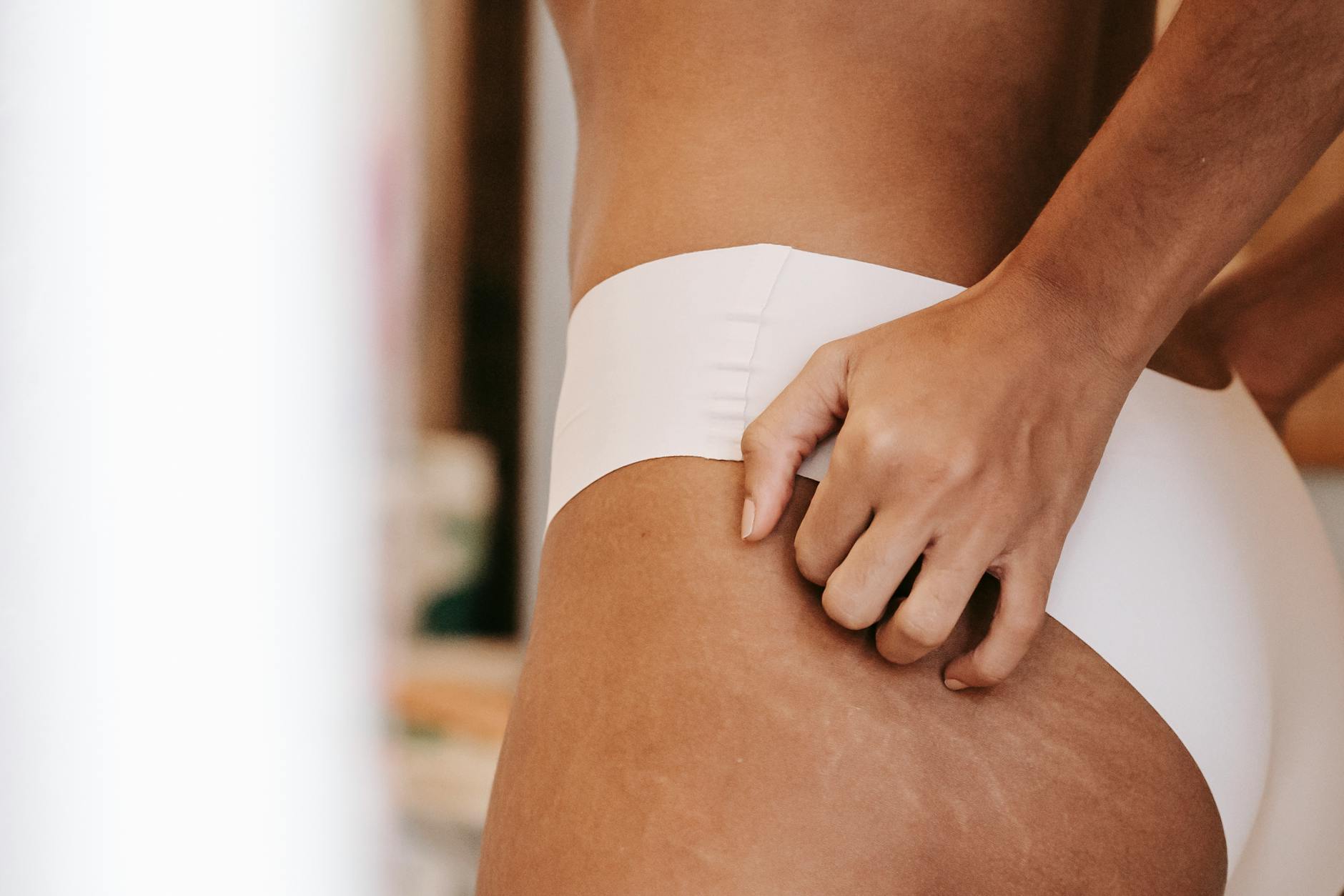
Chafing happens when sweat, moisture, or salts break down the protective barrier of your skin, and then repeated friction from movement strips away the outer layers. During a 5-mile run, you might sweat anywhere from half a liter to several liters depending on temperature and intensity, creating the perfect environment for skin-to-fabric friction. The issue isn’t just sweat though—salt deposits from dried sweat can actually increase friction and create a grinding effect against your skin.
Understanding the mechanics of chafing reveals why prevention is genuinely more effective than treatment. Once chafing develops, you’ve already experienced tissue damage that takes days to heal fully, even with the best treatment. Compare this to applying preventative anti-chafing products before a run, which costs almost nothing in time or money and eliminates the problem entirely. Runners who’ve switched to a prevention-first mindset almost universally report fewer incidents than those who treat chafing after it happens.
Anti-Chafing Products and Their Effectiveness
Body Glide, Squirrel’s Nut Butter, and similar petroleum or silicone-based anti-chafing balms work by creating a moisture-resistant barrier between skin and clothing. These products need to be applied to vulnerable areas before you run—not after—and they typically remain effective for 5-10 miles depending on sweat volume and the product’s water resistance. A runner using Body Glide before a 8-mile run will usually stay protected, while someone attempting to apply it mid-run will find it far less effective because sweat has already disrupted the skin barrier.
A limitation of most commercial anti-chafing products is that they eventually wash off or get diluted by sweat, which is why longer runs (beyond 10 miles) sometimes require reapplication. Also, some runners develop mild irritation from the ingredients in these products, particularly if they have sensitive skin. Testing any new anti-chafing product on shorter runs first is important—discovering a reaction during a 15-mile effort is far worse than discovering it during a 3-mile test run. Some athletes prefer natural alternatives like coconut oil or specialized sports butters, though these tend to wash off more quickly than synthetic options.
Treating Active Chafing Wounds
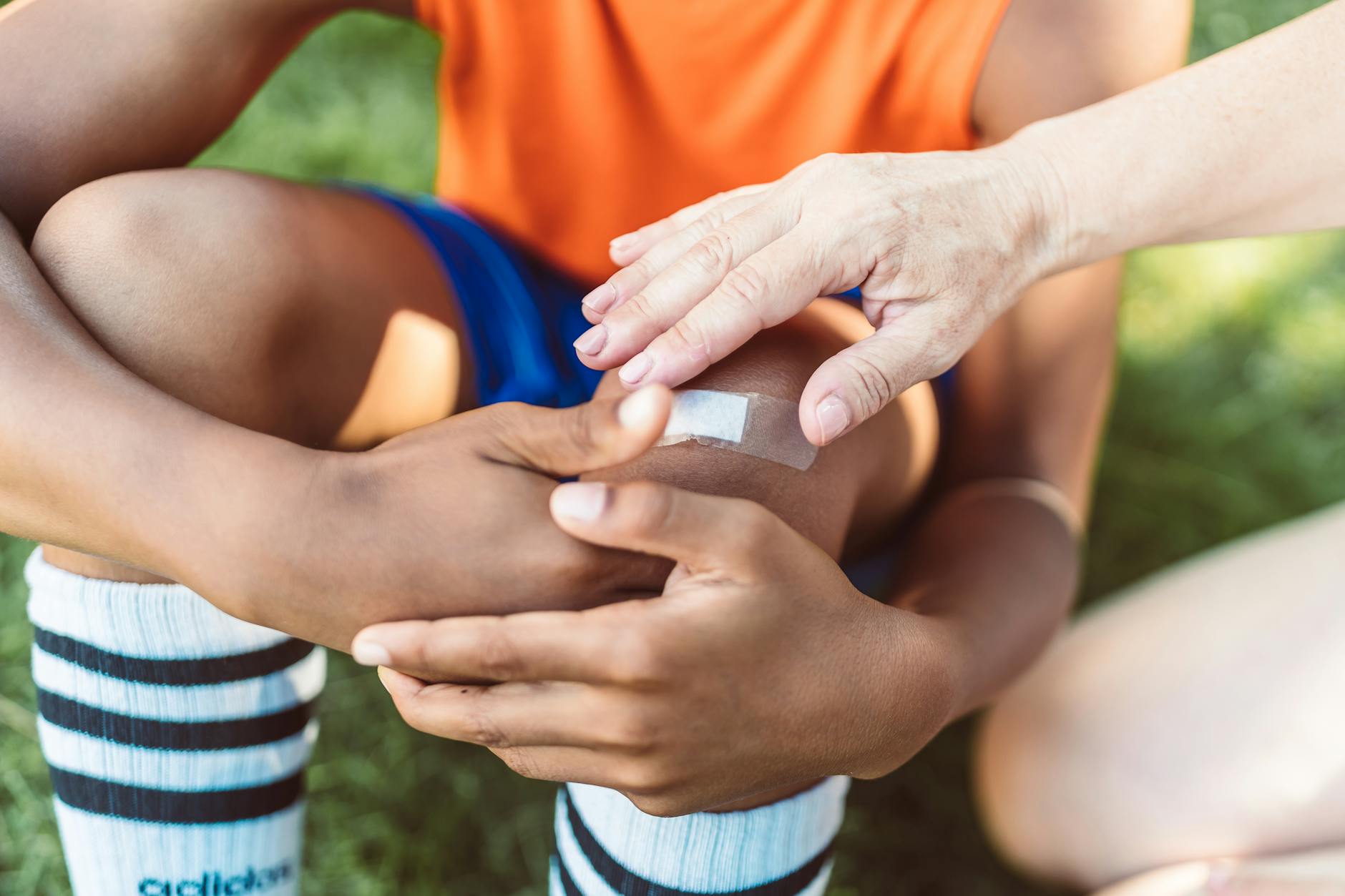
Once chafing has occurred, treat it like any minor open wound: clean it gently with mild soap and cool water, pat dry, and then apply a protective ointment. Products containing antibiotic salve (like Neosporin) or specialized anti-chafing ointments work well at this stage. The goal is to prevent infection, reduce inflammation, and create a moisture-barrier while the skin heals.
Most mild chafing wounds will show significant improvement within 48 hours if kept clean and protected. A specific example: a runner with chafing between the thighs might apply an antibiotic ointment twice daily and wear loose shorts or sweatpants for the next 2-3 days instead of tight athletic wear. After the initial acute phase (24-48 hours), they can transition to looser running gear and continue using a protective ointment while running. This balanced approach avoids both infection risk and extended downtime while allowing the healing process to proceed naturally.
Clothing Solutions and Practical Prevention
Your choice of running shorts and shirts matters enormously for chafing prevention. Seamless, moisture-wicking synthetic fabrics (like polyester blends or merino wool) resist chafing far better than cotton, which absorbs sweat and holds it against your skin. Many runners discover that upgrading from basic athletic wear to purpose-built running apparel cuts their chafing incidents by 50-75 percent. Comparison: a cotton t-shirt absorbs and holds moisture, creating a wet, clingy surface that increases friction; a synthetic running shirt dries quickly and moves with your skin rather than sticking to it. Fit is equally important.
Shorts that are too tight create constant friction and restrict movement, while shorts that are too loose can bunch up and create fold-related chafing. The sweet spot is usually a snug but not constricting fit that allows your full range of motion without excess fabric movement. Some runners swear by compression shorts under regular shorts, which reduces thigh-to-thigh friction entirely. Others prefer longer inseams or the security of built-in briefs. Finding your optimal configuration might take 2-3 different purchases, but the investment pays dividends across every run.
When Chafing Indicates a Larger Problem
Chafing that persists despite using anti-chafing products, proper clothing, and good hygiene might indicate an underlying skin condition like heat rash, fungal infection, or dermatitis rather than simple friction damage. A warning sign is if the affected area shows signs of infection (increasing redness, warmth, swelling, or pus discharge) beyond the first 48 hours—this warrants a visit to a dermatologist or sports medicine doctor rather than continued self-treatment. Additionally, some runners experience chafing in unusual locations (like the groin area or under the arms despite proper coverage) due to their individual anatomy or gait patterns, which might require custom solutions.
Another limitation to awareness: some runners develop psychological anxiety around chafing after a bad experience, leading them to avoid longer distances unnecessarily. If you’ve had chafing problems in the past, resist the urge to assume they’ll happen again. Instead, invest in better gear and prevention products, do a test run at your normal distance, and gradually build confidence. The vast majority of chafing is preventable and should not permanently limit your training or racing.

Specialized Treatments for Specific Areas
Nipple chafing, common in male runners and less discussed but important, requires its own approach. Silicone-based or hydrogel bandages (like Band-Aid hydrogel pads) provide protection while allowing some breathability, and many runners find these work better than traditional ointments for this sensitive area. Apply the patch directly to clean, dry skin before your run.
For thigh chafing, wider anti-chafing balm application (covering a larger area than you think necessary) often prevents the problem entirely, since the exact friction point can be hard to predict. A specific example: a marathoner who experienced nipple chafing at mile 8 during their first marathon learned to apply hydrogel patches to both nipples before every long run thereafter, using them on runs of 8 miles or longer. This simple addition eliminated the problem entirely and allowed them to focus on pacing rather than pain management.
Preparing for Race Day and Long-Distance Running
Race day chafing is particularly common because of the combination of new gear, race-day nerves (leading to heavier than normal sweating), and often longer-than-usual distances. The best strategy is to use nothing new on race day—practice your entire outfit, including shoes, shorts, shirt, and all anti-chafing products, on at least one long training run before the race. A runner attempting a new pair of shorts or a new anti-chafing product for the first time during a half-marathon is taking an unnecessary risk that often ends with 13 miles of misery.
Looking forward, many serious runners maintain a “race kit” of proven gear that they rotate through, knowing exactly how each piece performs. This removes the guesswork and anxiety around chafing during important events, letting you focus on effort and performance instead. As your running evolves from casual to more serious, your approach to chafing prevention will likely become more refined and personalized, with less reliance on trial-and-error and more reliance on tested, consistent products and clothing.
Conclusion
The best treatment for chafing is prevention through proper clothing, moisture management, and anti-chafing products applied before running. Once chafing occurs, treat it promptly with clean water, gentle patting dry, and protective ointment to minimize infection risk and speed healing. The investment in quality, moisture-wicking running apparel and a trusted anti-chafing balm will pay dividends across every run, reducing the frequency and severity of chafing incidents over time.
Most runners learn through experience which products and clothing configurations work best for their individual bodies, sweat rates, and running distances. Don’t hesitate to experiment on shorter runs, and don’t let a single bad chafing experience convince you that it’s inevitable. With the right approach, chafing becomes a minor occasional annoyance rather than a training obstacle, and you can focus on the joy of running itself.
Frequently Asked Questions
How long does chafing take to heal?
Mild chafing typically shows improvement within 24-48 hours with proper care and typically heals completely within 5-7 days. Deeper or more severe chafing can take 1-2 weeks depending on the extent of tissue damage.
Can I run while I have chafing?
Minor chafing can sometimes be managed during a run with protective barriers and ointment, but it’s generally better to take a day or two off to allow initial healing, then gradually return to running with proper protection. Running on fresh, open chafing wounds increases pain and infection risk.
Is anti-chafing product necessary for short runs?
For runs under 3-4 miles, many runners don’t experience chafing even without products. However, if you’re prone to chafing or running in hot, humid conditions, prevention is still worthwhile even for short distances.
What’s the difference between Body Glide and other brands?
The major anti-chafing products work similarly, using silicone or petroleum-based barriers. Differences are usually in water resistance duration and personal skin reactions. Finding your preferred brand often comes down to individual testing.
Should I see a doctor for chafing?
For simple chafing managed with ointment that improves within a week, a doctor visit isn’t necessary. Seek medical attention if signs of infection develop, if chafing is severe or persistent despite treatment, or if it recurs in the same spot across multiple training cycles.