The fastest way to fix chafing is to stop the friction immediately and treat the damaged skin. If you’re experiencing chafing during a run, the priority is stopping movement in that area—which often means finishing your run carefully or taking a break—then applying a protective barrier and healing salve. For most runners, chafing on the thighs, nipples, or underarms resolves within 24-48 hours once friction is removed and the area is kept dry and protected.
A runner training for a half-marathon who develops thigh chafing at mile 8 can continue the run by adjusting their pace or gait slightly, but the real fix begins after the run ends: gentle cleaning, moisture barrier application, and anti-chafing cream. The most effective immediate treatment combines three elements: stopping the friction source, applying an occlusive barrier (like petrolatum or anti-chafing balm), and keeping the area clean and dry. While anti-chafing prevention applied before a run is ideal, you can treat active chafing mid-run with strategic product application, and healing is accelerated by addressing the issue promptly rather than waiting days.
Table of Contents
- What Happens to Your Skin When Chafing Occurs?
- Stop the Friction and Protect the Area
- Managing Chafing During and After Your Run
- Prevention vs. Treatment—A Practical Tradeoff
- Wound Care and Avoiding Infection
- Clothing and Footwear Adjustments
- When Chafing Means You Need to Adjust Your Running Plan
- Conclusion
What Happens to Your Skin When Chafing Occurs?
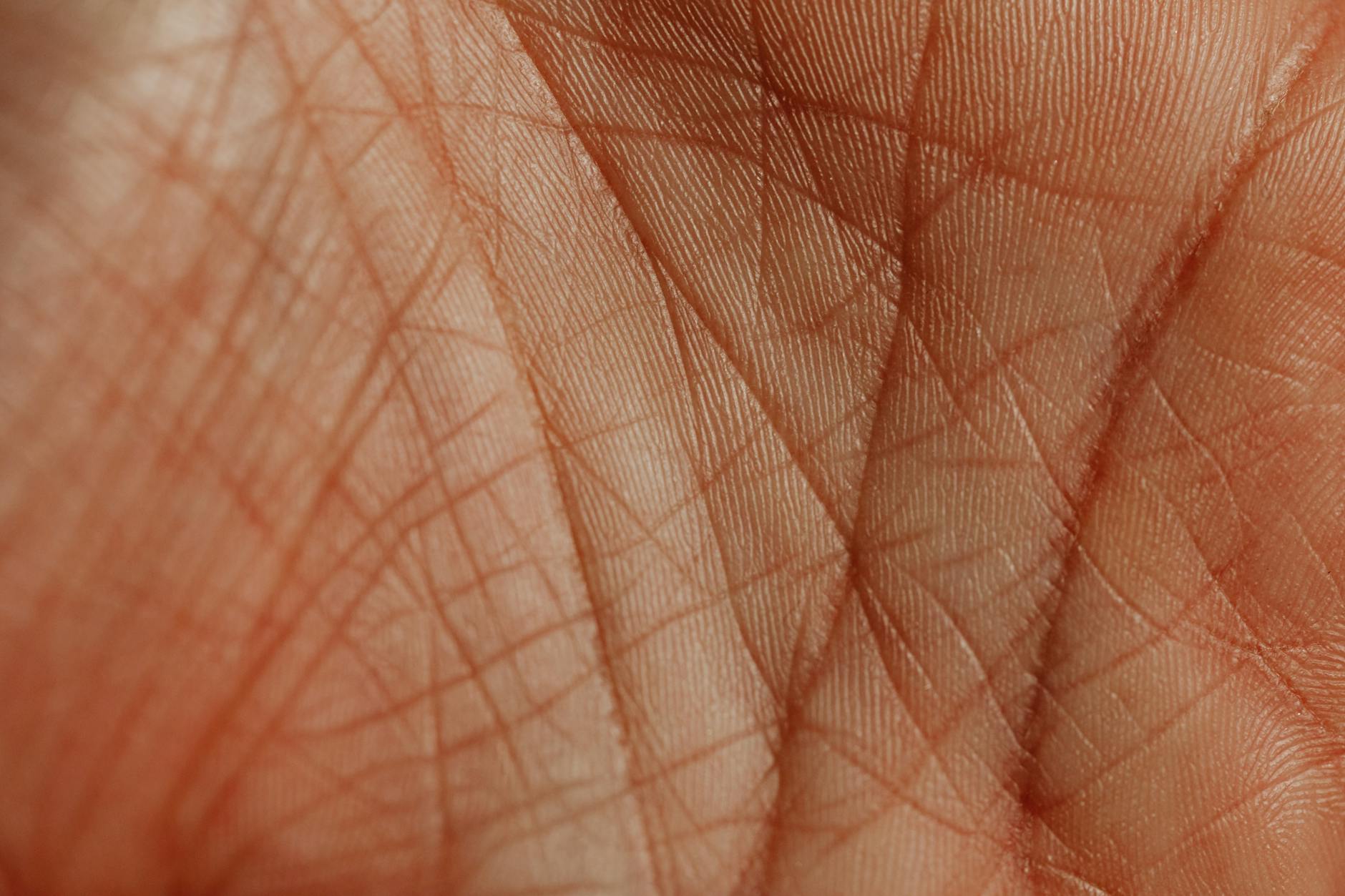
Chafing is abrasion—repeated friction removes the outer layers of skin, causing inflammation, redness, and sometimes bleeding. Unlike a blister, which fills with fluid, chafed skin loses its protective barrier entirely. This happens most commonly in areas where clothing, body parts, or sweat create persistent friction: the inner thighs during running, the nipples (especially in male runners in moisture-wicking shirts), the underarms where arm swing creates movement against fabric, and sometimes between the toes in running shoes. The friction is made worse by moisture—sweat reduces friction resistance, paradoxically making your skin more vulnerable to damage because it creates a slippery surface that your clothing can abrade more easily.
The speed of chafing damage depends on how much sweat, heat, and friction are involved. A 5K runner might experience only mild redness, but a marathoner or someone running in humid conditions can develop bleeding chafing in under an hour. Once the skin barrier is compromised, the area becomes vulnerable to infection, which delays healing. This is why runners who experience chafing during a race sometimes develop infections if they don’t treat it immediately afterward.
Stop the Friction and Protect the Area
The first practical step is identifying which product will work best for your situation. Anti-chafing balms, body glide products, and petroleum jelly all work, but they function differently. Petroleum jelly creates a water-resistant barrier that lasts through sweat and moisture, but it can feel greasy and may stain clothing. Anti-chafing glides are formulated to reduce friction directly and often feel lighter on the skin; however, many are not as occlusive as petroleum jelly and may need reapplication during long runs. A runner doing an 8-mile training run in 75-degree heat will likely find that a swipe of body glide at mile 4 isn’t enough protection—the area needs petroleum jelly applied before the run for true friction barrier protection. Once you’ve stopped the friction, the skin needs an occlusive layer to heal.
This means keeping moisture out but also keeping infection away. Clean the area gently with plain water first (not soap, which is drying), then pat dry completely. Apply the barrier product generously—a thin layer doesn’t work. Cover the area fully, then if chafing is active and bleeding, add a thin layer of antibiotic ointment (like Neosporin) before the final barrier layer. The limitation here is that petroleum-based products can make the area slippery; some runners feel discomfort if they reapply mid-run and have chafed skin moving under the product. In this case, stopping motion in that area is more important than perfect product application.
Managing Chafing During and After Your Run
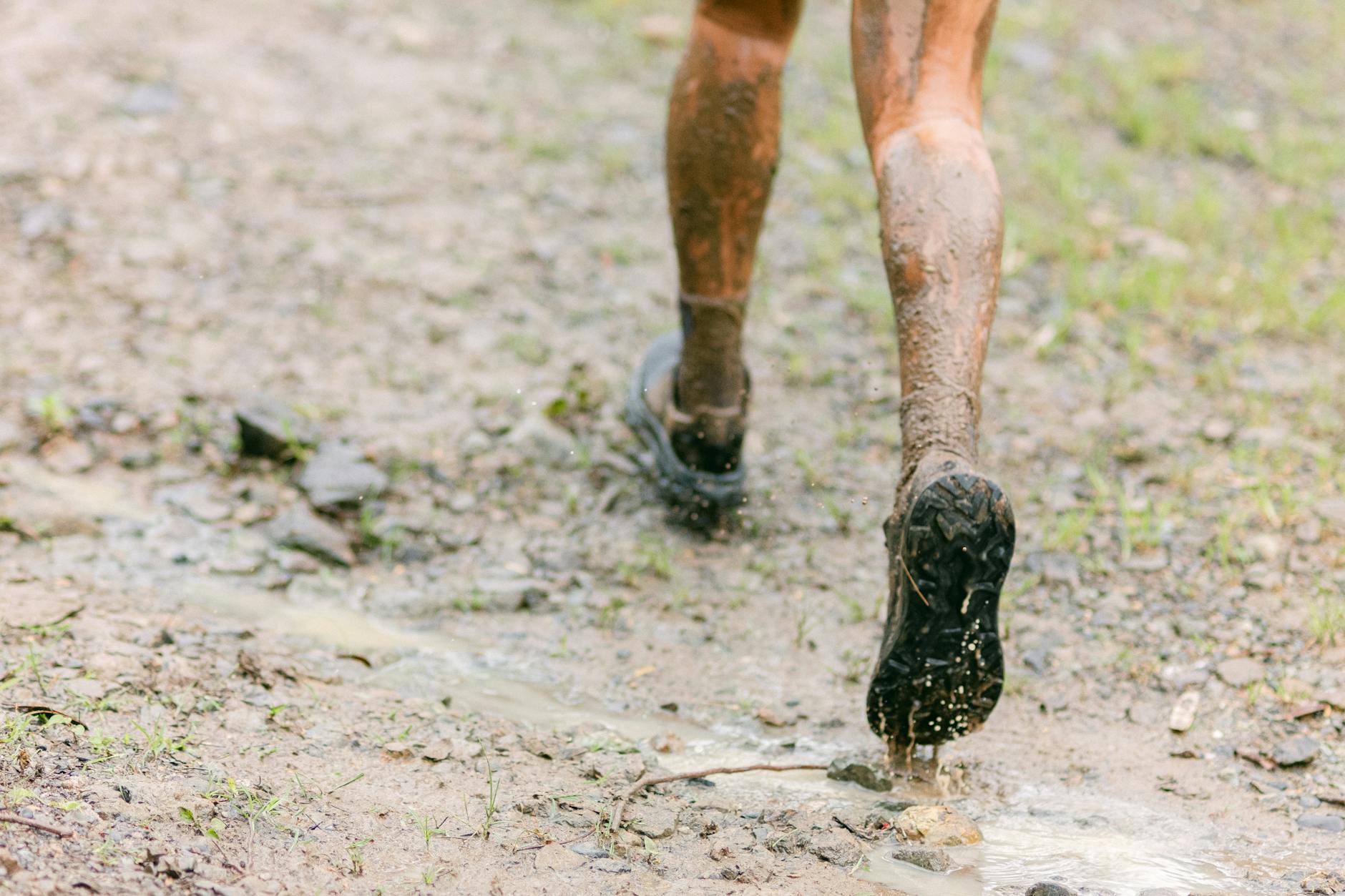
If you notice chafing starting during a run, you have options based on how much distance you have left. For a short run, slowing your pace slightly often reduces the friction enough to manage the remainder. For a long run, repositioning your body can help—changing which leg leads your stride or adjusting your arm swing sometimes moves the friction point slightly. For very active chafing, stopping to apply a product is worth the brief interruption; many experienced runners carry small packets of glide in their pockets during long training runs. Immediately after your run, clean the chafed area with cool water and mild soap, then dry thoroughly.
This is crucial because bacteria and yeast thrive in warm, moist environments. Once dry, apply an occlusive protectant—petroleum jelly, a barrier cream, or a product like Bag Balm or Udder Balm (which are surprisingly effective for human runners). Change into clean, dry clothing immediately. A specific example: a runner who finishes a 10-mile run with inner-thigh chafing should shower, dry thoroughly, apply petroleum jelly, and then wear loose cotton shorts or no shorts for the next 24 hours. This removes all friction and moisture variables.
Prevention vs. Treatment—A Practical Tradeoff
Prevention is always easier than treatment, but it requires a different approach depending on your run distance and conditions. For runs under 5 miles, prevention might be as simple as wearing seamless compression shorts or the right fabric—synthetic or merino wool that doesn’t absorb sweat the way cotton does. For longer runs, prevention means applying an anti-friction product before you start. The tradeoff is that prevention products take time to apply and you need to reapply them on runs over 90 minutes.
Many runners choose to treat chafing reactively because they don’t experience it on shorter runs and don’t want to add the routine of prevention products. This works fine until you run longer distances or in unexpected conditions—humidity, a new route that’s more hilly, or a heavier pace that generates more friction. A runner who has never chafed on 6-mile runs might suddenly chafe badly on a 10-miler in warm weather without understanding why. The practical recommendation is to prevent on runs longer than one hour, especially if conditions are warm or humid, and treat quickly if chafing develops unexpectedly.
Wound Care and Avoiding Infection
Once the outer skin is abraded away, the area is technically a minor wound. This means infection is a real risk, especially in warm and moist conditions. After cleaning and drying, an antibiotic ointment provides both protection and moisture barrier—the dual benefit is why it’s worth using. If the chafed area shows signs of infection within 24-48 hours (increasing redness, warmth, pus, or swelling), you should treat it more carefully and may need an oral antibiotic or topical antibiotic ointment.
The main limitation of at-home chafing care is that you can’t always tell if bacteria have colonized the wound. A chafed area that doesn’t improve after two days of moisture-barrier care, or that gets visibly worse, warrants a call to a healthcare provider. Some runners also experience secondary yeast infections in warm, moist chafed areas because the normal skin flora is disrupted; antifungal powder might be needed alongside antibiotic ointment. The warning is not to ignore slow-healing chafing—it’s usually minor, but it can progress if you return to running on the same area before it’s fully healed.

Clothing and Footwear Adjustments
The type of clothing you wear directly determines your chafing risk. Seams, especially in cheaper athletic wear, create friction points. Moisture-wicking fabrics reduce sweat pooling but don’t eliminate friction against the skin. For runners who chafe despite prevention products, the solution is often clothing that physically removes friction—seamless shorts, sports bras that fit properly and don’t bounce, or compression shorts that reduce skin-to-skin thigh contact.
A runner who experiences inner-thigh chafing might discover that compression shorts eliminate the problem entirely without any additional products. Footwear can also create chafing, though it’s less common than clothing-related chafing. A shoe that causes blisters (from friction at the heel or toes) needs to be replaced, not treated. However, friction between toes can be managed with moisture-wicking socks, seamless socks, or even taping between the toes if blisters develop. The practical example is a runner with narrow feet whose running shoes create lateral foot blisters—replacing shoes is the actual fix, not prevention products.
When Chafing Means You Need to Adjust Your Running Plan
Persistent chafing after prevention and treatment might mean your body’s response to running requires different equipment. Some runners genuinely cannot use certain types of products because their skin reacts badly to common ingredients. Others find that their body mechanics or sweat patterns create unavoidable friction in specific areas.
If you find yourself managing chafing on nearly every long run despite preventive measures, it’s time to systematically address it: evaluate your clothing fit, consider a different product, or potentially adjust your running form with a coach’s help. The forward-looking aspect is that running equipment science is improving. More seamless athletic wear is entering the market, anti-chafing products are becoming more sophisticated, and runners are getting better information about which products work for which areas. If you’ve struggled with chafing for years, it’s worth revisiting the category—what didn’t work three years ago might now have a better solution.
Conclusion
Fixing chafing fast means stopping friction immediately, protecting the skin with an occlusive barrier, and keeping the area clean and dry. Most mild chafing heals within 24-48 hours once you’ve removed the friction source and applied the right product. The real investment is prevention on longer runs and in warm conditions, which takes minutes but prevents days of discomfort and potential infection.
Start with prevention if you run distances over 90 minutes: apply an anti-chafing product before your run and reapply if needed. If chafing develops during a run, adjust your pace or position to reduce friction, and treat aggressively afterward with cleansing and barrier products. If chafing recurs despite these steps, evaluate your clothing fit and product choice—the right adjustment often solves the problem permanently.