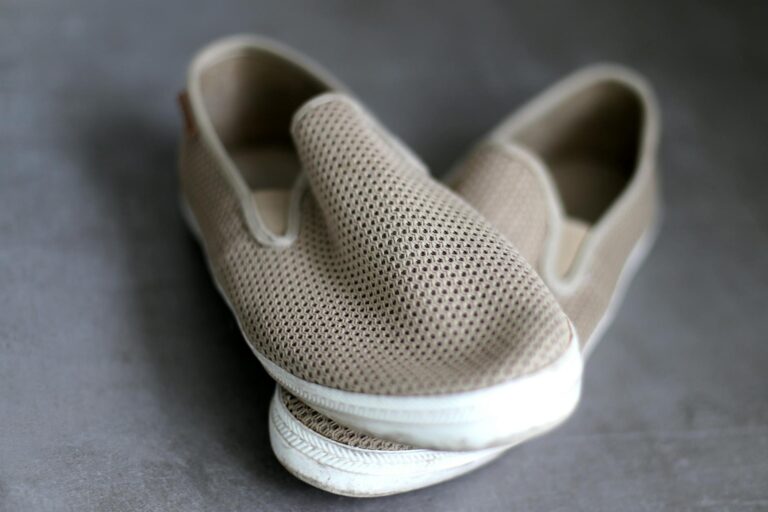
The biggest difference between walking shoes and running shoes comes down to impact absorption. Running generates roughly 2.5 to 3 times your body weight in force with every stride, while walking produces only about 1.5 times your body weight per step. That gap in impact force drives nearly every design difference between the two shoe categories — from cushioning thickness and heel drop to weight and flexibility. A 180-pound runner, for example, is sending approximately 450 to 540 pounds of force through each foot on every landing, while a walker of the same weight generates around 270 pounds.
The shoes engineered for each activity reflect that reality. Beyond impact force, walking shoes and running shoes differ in heel-to-toe drop, sole stiffness, overall weight, and how the outsole flexes during your gait cycle. These are not cosmetic differences. Wearing the wrong type of shoe for your activity can increase your risk of plantar fasciitis, shin splints, and Achilles tendinitis, according to podiatrists at Gotham Footcare and Michigan Foot Doctors. This article breaks down each major difference, explains when you can get away with using one shoe for both activities, and covers what to look for if you split your training between walking and running.
Table of Contents
- Why Do Walking Shoes and Running Shoes Feel So Different?
- How Heel Drop and Cushioning Affect Injury Risk
- Weight Differences and Why They Matter for Performance
- Can You Wear Running Shoes for Walking or Walking Shoes for Running?
- Common Mistakes When Choosing Between Walking and Running Shoes
- What About Hybrid Shoes Designed for Both Activities?
- How Shoe Technology Is Changing the Walking and Running Divide
- Conclusion
Why Do Walking Shoes and Running Shoes Feel So Different?
The feel of a shoe on your foot is largely dictated by two factors: cushioning volume and heel-to-toe drop. Running shoes generally feature a heel-to-toe drop of 10 to 12 millimeters, meaning the heel sits noticeably higher than the forefoot. that elevated heel is engineered to absorb the jarring impact of heel strikes at speed and to reduce strain on the Achilles tendon. walking shoes, by contrast, typically have a drop under 8 millimeters because the foot lands with far less force during a walking gait. If you have ever put on a pair of well-cushioned running shoes and felt like you were standing on a slight downhill slope, that is the higher drop at work. Cushioning distribution also separates the two categories.
Running shoes pack more foam into the heel and forefoot to handle repeated high-impact landings, particularly in the rearfoot where most recreational runners make initial contact with the ground. Walking shoes use less cushioning overall because there is simply less force to manage. A runner who switches to walking shoes for a five-mile jog will likely notice the difference within the first mile — the landing feels harder, and the lack of energy return becomes obvious on pavement. There is also a structural stiffness difference. Running shoes are built stiffer through the midfoot to provide stability during the push-off phase at higher speeds. Walking shoes prioritize flexibility through the forefoot, allowing a smoother heel-to-toe rolling motion that matches the natural walking gait. Pick up a running shoe and a walking shoe and try to bend each one at the ball of the foot — the walking shoe will flex more easily.

How Heel Drop and Cushioning Affect Injury Risk
The heel-to-toe drop in a shoe is not just a comfort preference. It directly influences how force travels through your lower leg. A higher drop in running shoes helps shift some of the impact load away from the Achilles tendon and calf muscles, which is why most traditional running shoes sit in that 10 to 12 millimeter range. For runners who heel-strike — and research from the PMC and NIH shows heel-strike runners experience impact forces of about 1.89 body weights per landing — that elevated heel acts as a buffer against repetitive stress. However, if you are a forefoot striker, the calculus changes. The same biomechanical analysis found that forefoot strikers experience only about 0.58 body weights of impact force at landing.
Runners with a natural forefoot strike pattern may actually perform well in lower-drop shoes, and some deliberately choose minimal-drop models. The key warning here is that switching abruptly from a high-drop shoe to a low-drop shoe — or vice versa — can cause calf strains and Achilles problems. Podiatrists generally recommend transitioning gradually, reducing drop by no more than 2 to 4 millimeters at a time and giving your body several weeks to adapt. Walking shoe cushioning is designed for durability over long hours rather than peak shock absorption over intense miles. If you walk regularly for exercise — say, 45 minutes to an hour daily — a properly cushioned walking shoe will handle the workload without issue. But if you try to use that same shoe for interval training or tempo runs, you are asking the foam to absorb forces it was never designed to manage, which accelerates both shoe breakdown and your injury risk.
Weight Differences and Why They Matter for Performance
Modern running shoes are engineered to be light. Many models weigh between 6 and 10 ounces, with racing flats and carbon-plated shoes pushing toward the lower end of that range. Every ounce matters over the course of a long run — lighter shoes reduce the energy cost of each stride, which adds up over thousands of steps. For a runner logging a 10-mile training run at roughly 1,500 steps per mile, that is 15,000 repetitions where shoe weight influences fatigue. Walking shoes tend to be heavier and bulkier because they are built with sturdier construction materials intended for all-day wear. A typical walking shoe might weigh 11 to 14 ounces, using denser rubber outsoles and thicker leather or synthetic uppers that prioritize longevity over speed.
For walking, this extra weight is rarely a problem. The pace is slower, the impact is lower, and the primary concern is comfort and support over hours of wear rather than minutes of peak performance. There is one important caveat for heavier runners. According to Nike’s guidance, runners weighing 200 pounds or more may actually need shoes with more cushioning and slightly more heft to handle the increased impact forces their body weight creates. Lightweight racing shoes that work well for a 140-pound runner can break down faster and provide inadequate protection for someone significantly heavier. If you fall into that category, choosing a well-cushioned trainer over a minimalist racer is not a compromise — it is the smarter choice for injury prevention.

Can You Wear Running Shoes for Walking or Walking Shoes for Running?
This is one of the most common footwear questions, and the answer is not symmetrical. Running shoes can generally be used for walking without much issue. They offer adequate heel cushioning, breathable mesh uppers, and durable outsoles that handle walking surfaces just fine. Many people who walk for exercise actually prefer running shoes because the extra cushioning makes long walks more comfortable, particularly on concrete and asphalt. If you own a pair of running shoes and want to start a walking program, you do not need to buy new footwear. The reverse is not true. Walking shoes should not be used for running.
They lack the shock absorption, structural support, and midsole durability needed to protect your feet under the substantially higher impact forces of running. A walking shoe that feels perfectly comfortable during a three-mile walk may leave you with sore shins or aching arches after a three-mile run. Podiatrists interviewed by Yahoo Health are clear on this point: running in walking shoes increases your risk of overuse injuries because the shoe simply cannot do the job the activity demands. The tradeoff for using running shoes as walking shoes is mostly economic. Running shoes tend to cost more, and using them for daily walking will wear out the cushioning faster than a dedicated walking shoe would. If you walk five or more miles per day, you may find yourself replacing running shoes every three to four months when a sturdy walking shoe might last twice as long. For people who both walk and run regularly, owning a pair of each makes the most financial and biomechanical sense.
Common Mistakes When Choosing Between Walking and Running Shoes
The most frequent mistake people make is buying shoes based on appearance or brand loyalty rather than the demands of their actual activity. A sleek, lightweight running shoe might look great, but if you are buying it to walk eight hours a day at a job that keeps you on your feet, it will compress and lose its cushioning far sooner than a shoe designed for sustained, lower-impact use. Conversely, a chunky walking shoe with a stiff midsole will fight your foot’s natural mechanics if you try to pick up the pace to a jog. Another common error is ignoring heel-to-toe drop entirely. Runners who have been training in 10-millimeter-drop shoes sometimes buy a pair of walking shoes with a 4-millimeter drop for cross-training days, then develop calf tightness or Achilles pain because their lower legs are not adapted to the lower platform.
The drop difference between your shoes matters, and large swings between footwear can create problems even if each shoe is appropriate for its intended activity. If you switch between walking and running shoes frequently, try to keep the drop difference to 4 millimeters or less. A third issue is wearing shoes past their functional lifespan. Most running shoes lose meaningful cushioning after 300 to 500 miles, depending on the model and the runner’s weight. Walking shoes may last longer in terms of mileage but can also break down structurally over time, especially around the heel counter and arch support. If your shoes feel flat or you notice new aches in your feet, knees, or hips, the cushioning has likely degraded beyond what is useful — regardless of how the shoe looks on the outside.

What About Hybrid Shoes Designed for Both Activities?
Several brands market shoes as suitable for both walking and running, and some of these hybrid models are genuinely versatile. They typically feature moderate cushioning, a heel-to-toe drop in the 6 to 8 millimeter range, and flexible forefoot construction. For someone who walks three days a week and runs two, a well-designed hybrid shoe can serve both purposes without obvious compromise. The Brooks Ghost and ASICS Gel-Nimbus lines, for example, have long been popular with people who split time between walking and easy running.
The limitation is at the extremes. If you are running more than 25 miles per week or walking more than an hour daily on hard surfaces, a hybrid shoe will likely fall short in one direction or the other. Dedicated footwear exists for a reason, and high-volume activity exposes the compromises that hybrid designs make. For casual or moderate use, a crossover shoe is practical. For serious training, specificity wins.
How Shoe Technology Is Changing the Walking and Running Divide
The gap between walking shoes and running shoes has been narrowing in recent years as foam technology improves. Midsole materials that were once exclusive to premium running shoes — nitrogen-infused foams, TPU-based energy-return compounds — are increasingly showing up in walking shoe lines. This means walkers now have access to lighter, more responsive cushioning than what was available even five years ago, without sacrificing the durability that all-day wear demands.
At the same time, the running shoe market has pushed toward maximalist cushioning, with thick-soled models that provide enough foam to make walking extremely comfortable as a secondary use. The practical effect is that a good modern running shoe is more versatile than ever, while a good modern walking shoe is more technically advanced than its predecessors. For consumers, this means better options in both categories — but it also makes understanding the core biomechanical differences more important, because not every shoe that looks cushioned is actually designed for the forces your activity produces.
Conclusion
Walking shoes and running shoes are engineered for fundamentally different levels of impact. Running produces 2.5 to 3 times your body weight in force per step, while walking generates about 1.5 times — and that gap drives every meaningful design difference, from heel-to-toe drop and cushioning volume to shoe weight and sole flexibility. Running shoes can do double duty for walking, but walking shoes should not be used for running. Choosing the right shoe for your activity is one of the simplest ways to reduce your risk of plantar fasciitis, shin splints, and Achilles tendinitis.
If you are primarily a runner, invest in a proper running shoe and use it for walks when needed. If you walk for exercise most days and run occasionally, consider owning one pair of each. Pay attention to heel-to-toe drop, replace your shoes before the cushioning gives out, and do not assume that a shoe designed for one activity will protect you during the other. Your feet absorb thousands of impacts every session — giving them the right tool for the job is worth the investment.