Spinning transforms your body by simultaneously building lower-body muscle endurance, strengthening your cardiovascular system, and burning a significant number of calories in a compressed timeframe. Within six to eight weeks of consistent riding — three to four sessions per week — most people notice visible changes in their quadriceps and glutes, improved stamina during other activities like running or hiking, and measurable drops in resting heart rate. A 155-pound person burns roughly 420 to 620 calories in a 45-minute class depending on intensity, which makes spinning one of the more efficient indoor cardio options available.
But the transformation goes beyond what the scale shows. Spinning reshapes body composition by preserving lean muscle mass while reducing body fat, which is why regular riders often look leaner without dramatic weight loss. It also remodels the heart and lungs, increasing stroke volume so your heart pumps more blood per beat and improving your VO2 max over time. This article covers the specific muscular changes spinning produces, what happens to your cardiovascular system, how it compares to other forms of cardio, the role of nutrition in getting results, common mistakes that stall progress, and what to realistically expect month by month.
Table of Contents
- What Muscles Does Spinning Actually Transform?
- How Spinning Reshapes Your Cardiovascular System Over Time
- Body Composition Changes and What the Scale May Not Show
- How to Structure Your Spinning Routine for Maximum Results
- Common Mistakes That Stall Your Spinning Transformation
- Spinning Versus Running for Body Transformation
- What Long-Term Spinning Does to Your Body After a Year and Beyond
- Conclusion
- Frequently Asked Questions
What Muscles Does Spinning Actually Transform?
Spinning is predominantly a lower-body workout, but it recruits more muscle groups than most people assume. The quadriceps and glutes do the heaviest work during the downstroke, while the hamstrings and hip flexors engage during the upstroke — assuming your feet are properly clipped into the pedals. The calves act as stabilizers throughout the entire pedal rotation. Standing climbs shift additional load to the glutes and core, and when you ride out of the saddle, your triceps and shoulders work to support your upper body on the handlebars. The type of muscular change spinning produces is primarily endurance-based rather than hypertrophic. Your muscles develop greater mitochondrial density and capillary networks, which means they become more efficient at using oxygen and clearing metabolic waste.
This is why a dedicated spinner’s legs often look toned and defined rather than bulky. Compare this to heavy barbell squats, which target fast-twitch muscle fibers for size and strength. Spinning targets slow-twitch fibers for sustained output. If your goal is to build significantly larger legs, spinning alone will not get you there — you need progressive resistance training for that. One change that surprises many new riders is improved core strength. Maintaining proper form on the bike — especially during standing intervals and sprints — requires sustained abdominal and lower-back engagement. After several weeks, riders often report better posture and reduced lower-back discomfort during daily activities, a benefit that has more to do with core endurance than raw core strength.

How Spinning Reshapes Your Cardiovascular System Over Time
The cardiovascular adaptations from consistent spinning are among the most significant and well-documented benefits. Your heart is a muscle, and spinning trains it the same way resistance training builds your biceps — through progressive overload. High-intensity intervals push your heart rate into the 80 to 95 percent zone, forcing the left ventricle to stretch and fill with more blood. Over weeks, this leads to increased stroke volume, meaning your heart pumps more blood per beat even at rest. Studies published in the Journal of Sports Science and Medicine have shown that indoor cycling programs can reduce resting heart rate by 5 to 15 beats per minute over 12 weeks. Your body also becomes better at delivering oxygen to working muscles.
VO2 max — the gold standard measurement of aerobic fitness — improves meaningfully with regular spinning. Research from the American College of Sports Medicine indicates that previously sedentary adults can increase VO2 max by 10 to 15 percent within two to three months of structured indoor cycling. For runners, this translates directly to improved performance: a higher VO2 max means you can sustain faster paces before crossing into anaerobic territory. However, if you only ever ride at a moderate, steady-state intensity, these cardiovascular gains plateau relatively quickly. The heart adapts to sustained, predictable demands within a few weeks. To keep forcing adaptation, you need to incorporate interval training — alternating between high-effort pushes and recovery periods. Most structured spinning classes do this by design, but if you ride solo on a stationary bike at the same comfortable resistance every session, expect diminishing returns after the first month or two.
Body Composition Changes and What the Scale May Not Show
One of the most frustrating experiences for new spinners is stepping on the scale after four weeks of hard work and seeing little change. This does not mean spinning is failing to transform your body. What frequently happens is a simultaneous decrease in body fat and increase in lean muscle tissue, particularly in the legs and glutes. Since muscle is denser than fat, your body can look dramatically different — clothes fitting better, visible muscle definition, a leaner midsection — while your weight stays roughly the same or drops only slightly. A practical example: a 2018 study in the Journal of Education and Training Studies tracked women who completed 12 weeks of indoor cycling three times per week.
Participants lost an average of 3.2 percent body fat while gaining lean mass in their lower extremities. Their average scale weight dropped by only about four pounds, but waist circumference decreased by nearly two inches. This is why body measurements, progress photos, and how your clothing fits are far more reliable indicators of transformation than weight alone. Spinning also elevates your metabolic rate for hours after a session, a phenomenon known as excess post-exercise oxygen consumption. High-intensity spinning sessions can keep your metabolism elevated for 12 to 24 hours post-workout, which means you continue burning additional calories long after you have showered and returned to your desk. This afterburn effect is more pronounced with interval-style rides than with steady-state sessions.

How to Structure Your Spinning Routine for Maximum Results
The tradeoff with spinning frequency is straightforward: more sessions produce faster results up to a point, after which recovery becomes the limiting factor. Three sessions per week is the minimum effective dose for noticeable body transformation. Four to five sessions per week accelerates results, but only if you vary the intensity. Riding hard six or seven days a week without rest leads to overtraining, which manifests as persistent fatigue, declining performance, elevated resting heart rate, and increased injury risk. A well-structured weekly plan might include two high-intensity interval rides, one endurance-focused longer ride at moderate intensity, and one recovery ride at low resistance. This mirrors how professional cyclists periodize their training and ensures you are stimulating different energy systems.
The high-intensity days drive cardiovascular adaptation and calorie burn. The endurance day builds aerobic base and teaches your body to burn fat as fuel. The recovery day promotes blood flow for repair without adding training stress. Compare this to doing the same intense 45-minute class five days in a row — you will burn out faster and likely see worse results because your body never gets adequate time to adapt and rebuild. Timing matters less than consistency, but there is some evidence that fasted morning rides enhance fat oxidation. A study in the British Journal of Nutrition found that exercising before breakfast increased fat burning by up to 20 percent compared to exercising after a meal. The tradeoff is that performance may suffer slightly during high-intensity intervals without fuel, so this approach works best for moderate-intensity sessions.
Common Mistakes That Stall Your Spinning Transformation
The most prevalent mistake is relying on spinning as your only form of exercise. While spinning is excellent for cardiovascular fitness and lower-body endurance, it does not adequately train your upper body, and it works your muscles through a limited range of motion. Over months of exclusive spinning, you can develop muscular imbalances — strong quads with relatively weak hamstrings, tight hip flexors from the repetitive cycling motion, and underdeveloped upper-body strength. Adding two days of resistance training per week, focusing on compound movements like deadlifts, rows, and overhead presses, creates a more balanced physique and actually improves your cycling performance by strengthening stabilizer muscles. Another common issue is riding with too little resistance. Many beginners — and even experienced riders — default to high cadence with low resistance because it feels fast and impressive.
But pedaling at 120 RPM with barely any tension on the flywheel produces minimal muscular stimulus and fewer cardiovascular benefits than slower, heavier efforts. If your legs are spinning freely and you are bouncing in the saddle, you need more resistance. A good rule of thumb is that you should always feel moderate to significant leg engagement throughout the pedal stroke. Nutrition undermines many spinning programs. A 45-minute ride might burn 500 calories, but a post-workout smoothie from a chain shop can easily contain 600 to 800 calories. If your goal includes fat loss, you cannot out-spin a poor diet. Track your intake for at least two weeks to understand your actual caloric balance, because most people significantly underestimate how much they eat and overestimate how much they burn.
Spinning Versus Running for Body Transformation
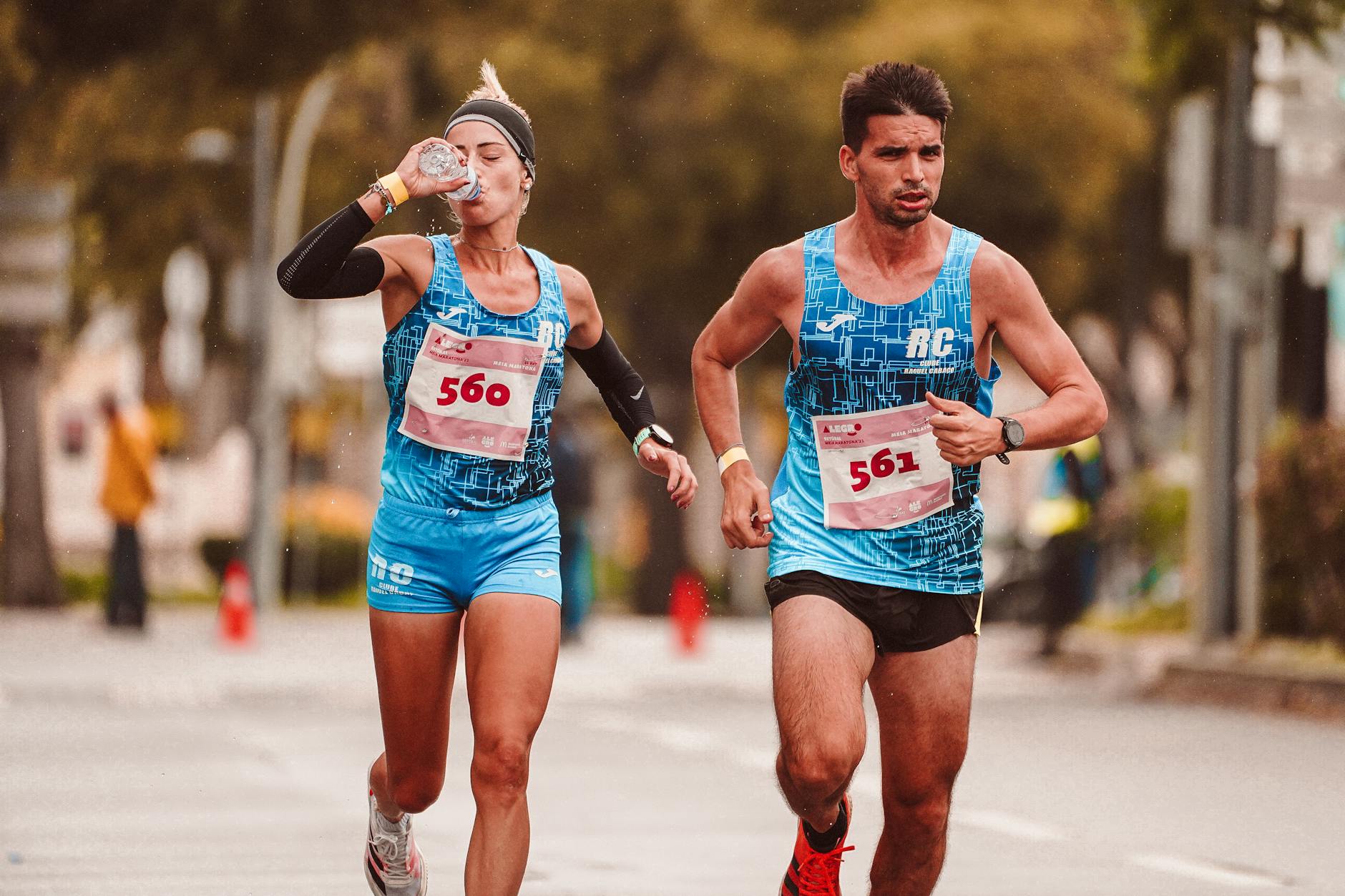
Runners often wonder whether spinning offers comparable or superior body transformation, and the honest answer depends on your goals. Running burns slightly more calories per minute at equivalent effort levels — roughly 10 to 15 percent more — because it is a weight-bearing activity that requires you to propel your full body weight forward. Running also engages the core and upper body more dynamically and builds bone density in ways that spinning, as a non-impact activity, simply cannot.
Where spinning has a clear advantage is in joint preservation and injury risk. Running produces ground reaction forces of two to three times your body weight with every stride, which accumulates over thousands of repetitions per session. Spinning eliminates impact entirely, making it a superior option for heavier individuals, those with knee or ankle issues, or runners who need cross-training during high-mileage weeks. Many competitive runners use spinning as their primary cross-training tool, maintaining cardiovascular fitness on recovery days without adding impact stress to their legs.
What Long-Term Spinning Does to Your Body After a Year and Beyond
After six months to a year of consistent spinning, the most dramatic visible changes have already occurred, and your body enters a maintenance and refinement phase. Your cardiovascular system has made its largest adaptations, your legs have developed their characteristic definition, and your body composition has shifted significantly. At this stage, continued transformation requires progressive challenges — longer rides, higher resistance benchmarks, structured power-based training, or incorporating other modalities like strength training and flexibility work.
Long-term spinners should also pay attention to potential repetitive strain issues. Prolonged cycling can tighten the hip flexors and IT band, contribute to anterior pelvic tilt, and in some cases cause numbness or discomfort in the hands and perineal area from sustained saddle pressure. Regular stretching, foam rolling, and periodic bike fit assessments help mitigate these issues. The riders who sustain their transformation over years are the ones who treat spinning as one component of a broader fitness practice rather than the entirety of it.
Conclusion
Spinning transforms your body through a combination of cardiovascular remodeling, lower-body muscular endurance development, and favorable shifts in body composition. The changes are real and measurable — lower resting heart rate, improved VO2 max, reduced body fat percentage, stronger legs and core — but they require consistency, progressive intensity, and attention to recovery and nutrition. Three to five well-structured sessions per week, combined with resistance training and sensible eating, produce the best outcomes.
If you are starting from scratch, commit to eight weeks before judging results, and track your progress through measurements and photos rather than the scale alone. If you are already a runner, spinning slots in naturally as a high-quality cross-training option that builds your aerobic engine without adding impact. The body spinning builds is lean, efficient, and cardiovascularly resilient — not bulky, not fragile, and well-suited for the demands of an active life.
Frequently Asked Questions
How long does it take to see results from spinning?
Most people notice improved endurance within two to three weeks and visible muscle definition in six to eight weeks with three or more sessions per week. Body composition changes measurable by calipers or DEXA scans typically show up around the eight to twelve week mark.
Will spinning make my legs bulky?
No. Spinning primarily develops slow-twitch muscle fiber endurance, which produces lean, defined legs rather than significant hypertrophy. Building bulky legs requires heavy resistance training with progressive overload far beyond what a spin bike provides.
Can spinning help me lose belly fat specifically?
Spinning burns calories and reduces overall body fat, but you cannot target fat loss from a specific area. As your total body fat percentage decreases through consistent exercise and a caloric deficit, abdominal fat will reduce along with fat from other areas. Genetics determine where you lose fat first and last.
Is spinning safe for people with bad knees?
Spinning is generally considered knee-friendly because it eliminates impact and allows you to control resistance precisely. However, improper bike setup — particularly a saddle that is too low — can exacerbate knee pain. If you have a specific knee injury, consult a physical therapist and get a professional bike fitting before starting.
How many calories does a spinning class actually burn?
Calorie burn varies widely based on body weight, effort level, and class structure. Realistic ranges for a 45-minute class are 350 to 600 calories. Be cautious with the calorie counts displayed on bike monitors, as they typically overestimate by 20 to 30 percent.