
The short answer is that both treadmill and outdoor running offer genuine benefits, and the best choice depends on your goals, injury history, and current circumstances. Neither is inherently superior—they work different muscle groups and stress your body in distinct ways. A runner recovering from a knee injury might find the cushioned surface of a treadmill essential for maintaining fitness, while an experienced trail runner chasing speed improvements might see outdoor running as non-negotiable for building the stabilizer muscles that pavement doesn’t demand. Many runners assume treadmills are strictly inferior, but this misses the real complexity.
Treadmills provide controlled conditions, consistent pacing feedback, and safety benefits that outdoor running cannot match. A 45-year-old returning to running after a year off can use a treadmill to build base fitness with less impact shock. Simultaneously, outdoor running offers natural terrain variation, wind resistance, and psychological benefits that treadmills cannot replicate. A study of recreational marathoners found that those who trained partially on treadmills performed just as well in races as those training entirely outside—the real advantage went to runners who trained consistently, regardless of surface.
Table of Contents
- How Do Treadmills and Outdoor Running Differ Biomechanically?
- The Metabolic and Performance Limitations of Each Surface
- Psychological and Environmental Factors That Affect Training Effectiveness
- Building a Practical Strategy That Combines Both
- Common Injuries and Technical Issues Associated With Each Surface
- How Technology and Treadmill Features Affect Training Quality
- The Future of Running Training and Surface Selection
- Conclusion
- Frequently Asked Questions
How Do Treadmills and Outdoor Running Differ Biomechanically?
The biomechanical differences are real and measurable. On a treadmill, the belt moves beneath you, which means your legs require less active propulsion and your glutes and hamstrings work at reduced intensity compared to outdoor running at equivalent speeds. Outdoor running demands more power from your posterior chain because you’re actively pushing yourself forward with each stride. This is why many runners report feeling stronger after returning to outdoor running—they’re recruiting muscles that treadmill training allowed to remain dormant. However, outdoor running also places greater stress on stabilizer muscles in your ankles and hips that engage to handle uneven terrain and variable conditions.
A runner moving from treadmills to outdoor training sometimes experiences unexpected soreness or injury in these areas precisely because these muscles were undertrained. Additionally, wind resistance on outdoor runs requires roughly 3-5% more energy expenditure at the same pace compared to a treadmill, which affects your perceived effort level and training metrics. The impact forces also differ significantly. Treadmill belts absorb some of the shock, typically reducing joint impact by 15-25% compared to road running. For someone with arthritis in their knees or a history of stress fractures, this matters substantially. A runner with patellar tendinitis might successfully maintain fitness on a treadmill while the same outdoor running volume causes flare-ups.
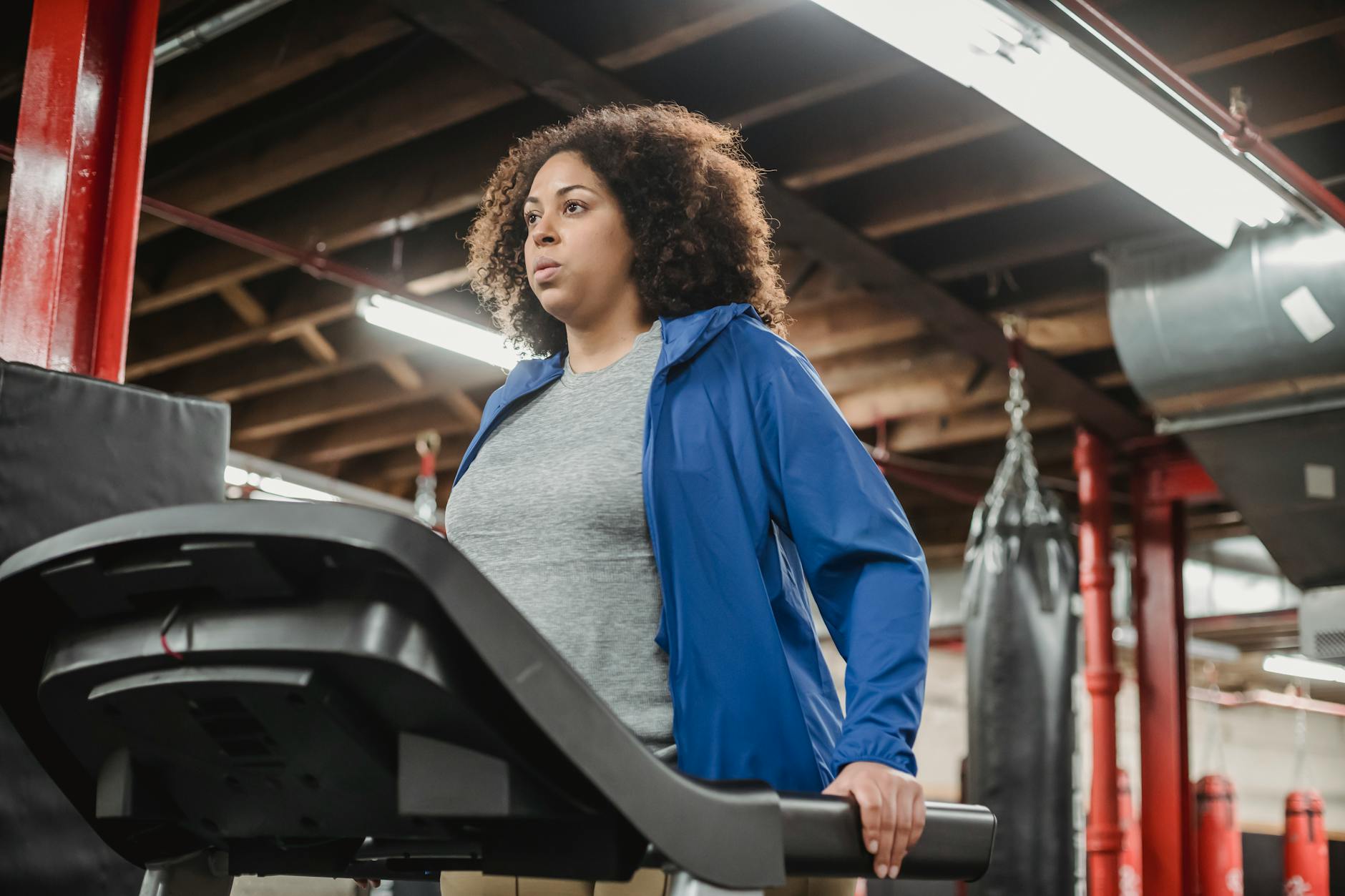
The Metabolic and Performance Limitations of Each Surface
Treadmill running has a ceiling effect for certain fitness adaptations. While you can certainly build aerobic fitness on a treadmill, the reduced stabilizer muscle engagement means treadmill training alone won’t fully prepare you for the demands of outdoor racing or trail running. Several studies show that runners transitioning from treadmill-only training to road racing experience a pronounced performance dip in their first few weeks—not because their aerobic fitness declined, but because their stabilizer muscles need time to adapt to the new demands. Outdoor running, conversely, demands more energy and attention, which means some runners cannot safely sustain high-intensity intervals outdoors due to terrain hazards or traffic.
A 5x1000m interval workout at race pace might be impossible to execute safely on outdoor roads during winter in northern climates, whereas a treadmill allows precise control of speed and environment. This limitation is especially relevant for runners during specific training phases when consistency matters more than perfect conditions. Long-term, runners who train exclusively on treadmills sometimes plateau in their performance because they’re not developing the full neuromuscular coordination that outdoor running demands. Conversely, runners training exclusively outdoors in harsh conditions sometimes accumulate excessive impact stress without the recovery benefits that easier treadmill training could provide.
Psychological and Environmental Factors That Affect Training Effectiveness
The mental component of running deserves serious consideration. Outdoor running offers changing scenery, variable terrain, fresh air, and direct sunlight—factors that numerous studies link to improved mood and sustained motivation. Runners who train outdoors report higher enjoyment levels and better long-term adherence to training plans. A runner who dislikes treadmill running and forces themselves to train indoors will not sustain that effort for months or years, making the “superior” workout ultimately inferior because it was abandoned. Conversely, treadmill running removes environmental barriers that prevent some people from training at all.
In winter weather, extreme heat, or high-pollution days, treadmill access makes the difference between a training session and a missed workout. A runner living in Arizona during July heat might complete 4-6 treadmill workouts per week during summer months, then transition to outdoor training during cooler seasons. For someone managing a busy schedule, treadmill availability at midnight after work provides training consistency that outdoor running cannot match. The environmental impact also varies. Some runners feel guilty about treadmill energy consumption, while others recognize that outdoor running in extreme heat or cold increases injury risk and missed training days, ultimately requiring more total runs to achieve fitness goals. There’s no objectively “green” choice—it depends on your individual context.

Building a Practical Strategy That Combines Both
The most effective approach uses both surfaces strategically, not exclusively. Elite distance coaches commonly structure training so that easy runs and recovery runs happen on treadmills (controlled intensity, reduced impact), while harder workouts—intervals, tempo runs, and long runs—happen outdoors where the varied terrain and full biomechanical demands stimulate adaptation. A runner training for a marathon might do 60% of weekly mileage on a treadmill during high-mileage weeks when recovery is critical, then shift to 80% outdoor running as the race approaches. Injury management also dictates surface choice. Early in recovery from a running injury, treadmill running reduces impact and allows fine-tuning of intensity.
As healing progresses, runners transition to outdoor running in controlled doses. A runner returning from a stress fracture might run 3 miles on a treadmill for two weeks, then substitute one weekly outdoor session for an easy treadmill session, gradually shifting the balance toward outdoor running. Geographic and seasonal factors make the decision practical as well. A runner in a rainy climate isn’t choosing between treadmill and outdoor running—they’re choosing between treadmill running and missed workouts. Incorporating treadmill training during monsoon season allows consistency during otherwise unrunnable conditions.
Common Injuries and Technical Issues Associated With Each Surface
Treadmill running, despite its cushioning, increases risk of specific injuries. The most common is Achilles tendinitis, because treadmill running at the same speed and grade repeatedly stresses the Achilles in identical ways with no recovery variation. Outdoor running naturally varies stride length, cadence, and muscle recruitment based on terrain, which distributes stress across slightly different tissues with each run. Additionally, treadmill running at 0% incline creates biomechanics different from outdoor running on actual terrain. Your hip extensors work less actively, and some runners develop weakened hip extensors and a shortened stride that causes problems when they transition to outdoor running.
Many coaches recommend running treadmill intervals at 1% incline to approximate outdoor biomechanics more closely. Outdoor running injuries often stem from sudden changes in surface or terrain. A runner trained entirely on pavement who attempts trail running sometimes experiences ankle sprains or stress from unstable terrain. Weather conditions also affect outdoor running—icy surfaces increase slip risk, while poorly lit early-morning or evening runs increase fall risk. The key warning: injuries from either surface often stem from doing too much too soon on unfamiliar terrain. A runner increasing treadmill mileage too rapidly or transitioning suddenly to outdoor running after months indoors sets themselves up for injury regardless of surface choice.

How Technology and Treadmill Features Affect Training Quality
Modern treadmills with declining belt technology and programmable courses have reduced some biomechanical limitations, though they cannot eliminate them entirely. A treadmill programmed with outdoor course data (which some apps now offer) provides variable incline that simulates real terrain, creating more realistic muscle recruitment than flat-belt running. However, this still doesn’t replicate wind resistance or the constant micro-adjustments that outdoor terrain demands.
Wearable devices and running apps have changed how runners use treadmills for performance training. Real-time pace feedback, interval timing, and data tracking allow precision that outdoor running without a watch cannot match. For structured workouts, this precision has value. However, relying too heavily on pace data on a treadmill can create overconfidence—the same pace feels harder outdoors due to wind resistance and terrain.
The Future of Running Training and Surface Selection
As air quality concerns and extreme weather events increase globally, treadmill training is likely to become more prominent not as a preference but as a necessity during certain seasons. Climate change affects when outdoor running is safe in many regions, extending indoor training seasons. Simultaneously, running culture increasingly emphasizes variety and adaptation—runners are learning to see both surfaces as tools rather than debating supremacy.
Emerging research suggests that future training guidance will focus less on the surface and more on training stimulus variation. A runner achieving optimal fitness likely incorporates both surfaces to work different energy systems and muscle groups, rather than adhering to ideology about one being “real” running. The truth about treadmill versus outdoor running is that they’re complementary, not competitive.
Conclusion
Treadmill running and outdoor running each offer distinct advantages and limitations that make them valuable for different purposes. Treadmills provide controlled conditions, safety, and accessibility during unfavorable weather or time constraints, while outdoor running offers superior biomechanical stimulus, psychological benefits, and specific adaptations that racing and real-world running demand. Neither is objectively better—the better choice depends on your current goals, injury status, training phase, and environmental circumstances.
Start by acknowledging which surface you actually enjoy running on and can sustain consistently, because the best training plan is one you will actually follow. If you’re serious about outdoor racing or trail running, incorporate outdoor running as your primary training surface and use treadmill running strategically for recovery, high-mileage weeks, or weather protection. If you prefer treadmills or face environmental barriers to outdoor running, establish a consistent indoor program while gradually building outdoor running capacity for specific race preparation. Most successful runners find that their optimal training happens across both surfaces—using each where its benefits align with their current needs.
Frequently Asked Questions
Does running on a treadmill prepare you adequately for outdoor racing?
Partial treadmill training (20-40% of weekly mileage) doesn’t harm race performance, but exclusively treadmill training leaves your stabilizer muscles undertrained for outdoor terrain. Most runners benefit from shifting 60-80% of training to outdoor running 6-8 weeks before outdoor races to allow adaptations.
Why do I feel slower on the treadmill at the same pace setting as outdoor running?
The treadmill’s 0% incline approximates a slight downhill, and the moving belt requires less active propulsion than outdoor running. You’re also not fighting wind resistance. Set treadmill incline to 1% and expect outdoor running at equivalent perceived effort to feel slightly faster on actual terrain.
Is treadmill running bad for your knees compared to outdoor running?
Treadmill running typically reduces impact forces by 15-25%, making it gentler on knees—particularly beneficial for injury recovery. However, the reduced stabilizer muscle engagement can lead to strength imbalances that cause problems outdoors. The solution is variety rather than exclusive treadmill training.
Can I train for a marathon entirely on a treadmill?
You can complete marathon training on a treadmill, but your performance on race day will likely disappoint because you haven’t developed full adaptation to outdoor running dynamics. Mixing 40-60% outdoor running into your training improves outdoor race readiness significantly.
How often should I switch between treadmill and outdoor running?
A practical approach uses treadmills for 30-50% of weekly easy and recovery runs, while keeping all high-intensity work and long runs primarily outdoors. This provides injury protection during high-mileage phases while maintaining outdoor-specific adaptations.
Which surface is better for weight loss?
Outdoor running demands roughly 3-5% more energy due to wind resistance and terrain variation, but the difference in calorie burn is modest and easily offset by other factors like running duration and intensity. Choose the surface you’ll actually use consistently—adherence matters far more than surface choice for weight loss outcomes.


