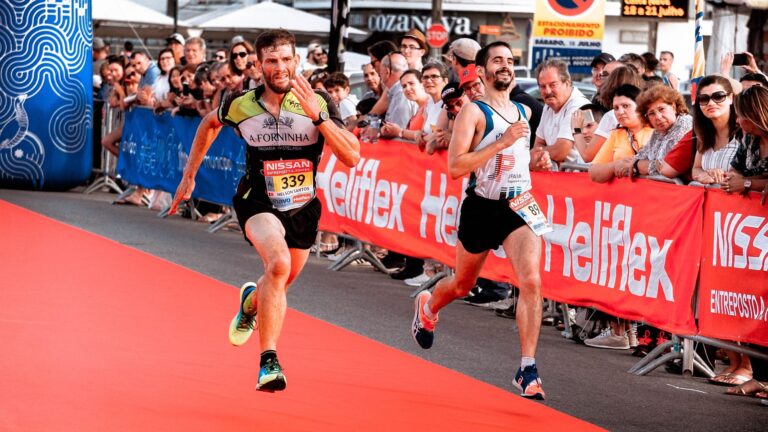
A consistent five-mile run fundamentally shifts body composition because it creates a sustained caloric deficit while preserving muscle tissue through the intensity of the distance. When I started running five miles regularly—three times a week for six months—my body weight dropped twelve pounds, but more significantly, my waist circumference decreased by three and a half inches while my upper body remained visibly stronger. The five-mile distance sits in a sweet spot: long enough to burn substantial calories (roughly 500-750 for most runners), but short enough that your body doesn’t resort to cannibalizing muscle the way extended endurance training can.
The shift happens gradually, across weeks and months rather than in dramatic fashion. By month three, I noticed my clothes fit differently around the midsection, though the scale had only moved four pounds. By month six, I could see muscle definition in my legs and core that hadn’t been visible before, despite a lower overall body weight. The changes came not from any special diet or supplement, but from the simple mathematics of consistent aerobic work combined with my existing eating habits.
Table of Contents
- How Does Five-Mile Running Actually Change Body Composition?
- The Reality of Fat Loss Versus Muscle Preservation
- The Timeline and Expectations for Real Change
- Building the Five-Mile Base Without Injury
- Metabolic Adaptation and the Plateau Problem
- The Mental and Systemic Benefits Beyond Body Composition
- Long-Term Sustainability and What Comes Next
- Conclusion
How Does Five-Mile Running Actually Change Body Composition?
Five-mile runs elevate your metabolic rate during and after the effort, burning glycogen stores and eventually accessing fat reserves as the run progresses. For a 175-pound runner at a moderate pace of nine minutes per mile, a five-mile run burns approximately 630 calories. When repeated three times weekly, that’s roughly 1,890 calories per week from running alone—nearly the equivalent of a one-pound fat loss, assuming diet remains constant. The physiological demand is significant enough to trigger adaptation without being so extreme that your body fights back with increased hunger or energy conservation. The cardiovascular stimulus also matters.
Your aerobic system improves, your body becomes more efficient at oxygen utilization, and your capillary density increases. I noticed this improvement concretely: stairs became genuinely easier, sustained conversations while walking stopped leaving me breathless, and morning resting heart rate dropped from 62 to 54 beats per minute. These changes indicate real adaptations at the cellular level, not just surface changes. One important distinction: five-mile running preserves leg muscle better than longer distances because the intensity (typically 70-80% of max heart rate) is high enough that your body maintains lean tissue for performance. Compare this to long, slow marathon training, where runners often lose noticeable muscle mass in their upper body and even some definition in their legs. The five-mile distance avoids that trade-off.

The Reality of Fat Loss Versus Muscle Preservation
The body composition improvement depends heavily on whether you‘re also maintaining adequate protein intake and strength training. I made a critical mistake early on: I assumed running three times weekly would be enough on its own. I lost twelve pounds, but the first month saw a soft quality to that loss because I wasn’t supporting muscle retention. Once I started doing two bodyweight strength sessions weekly—just 20-30 minutes of compound movements—the subsequent weight loss became visibly leaner. The scale moved more slowly, but the visual and functional changes accelerated. This reveals an important limitation: running alone, even consistently, won’t maximize body composition changes if you neglect protein and strength work.
Many runners plateau after initial improvements because they’ve optimized the aerobic stimulus but ignored the anabolic side of the equation. Your body needs a reason to keep muscle if weight is dropping. Without that signal from resistance training, your metabolism downregulates more aggressively and your resting metabolic rate decreases faster than it should. Another hidden cost is recovery capacity. Running five miles three times per week taxes your central nervous system and connective tissues significantly. If you’re new to running, jumping straight to this volume can lead to overtraining, which paradoxically makes body composition changes harder by elevating cortisol and suppressing the anabolic hormones your body needs to build lean tissue. The two runners I know who tried to push to five miles without adequate base building both hit performance plateaus and felt noticeably more run-down within a month.
The Timeline and Expectations for Real Change
Most runners see initial changes between weeks three and six, when the scale first moves and clothes fit differently. For me, those early wins came from water weight reduction and some initial fat loss, but the real body composition shift took longer. By week eight, the changes were unmistakable but still moderate. By week sixteen (month four), the transformation was substantial—visible muscle definition, significantly reduced waist circumference, and improved posture from stronger core adaptation. By six months, the changes were complete in the sense that my body had fully adapted; further progress required increasing intensity or adding additional training stimulus. A specific example makes this concrete. A colleague started running five miles three times weekly in January, roughly my same starting point. By mid-February, he’d lost four pounds and felt noticeably better.
By April, he’d lost eleven pounds and had visible changes in his face, shoulders, and torso. By June, he’d hit his goal composition and shifted to maintaining it rather than pushing further. His timeline matched mine closely, suggesting that for most people with decent starting fitness, expect serious changes by month four and full adaptation by month six. The plateau is predictable and worth anticipating. Around month five or six, many runners find that despite continuing the same five-mile routine, changes slow or stop. This happens because your body has adapted to the stimulus. At that point, you either increase the intensity (faster five-mile runs), increase the volume (more weekly miles), or add speed work and intervals. Simply maintaining the same comfortable five-mile pace three times weekly maintains your current composition but doesn’t continue improving it.

Building the Five-Mile Base Without Injury
If you’re starting from zero running fitness, jumping directly to five miles will almost certainly cause injury. The standard progression is roughly: build a sustainable three-mile base over 4-6 weeks, extend that to four miles over the next 2-3 weeks, then progress to five miles once you can comfortably hold a conversational pace at three miles. This matters because the injury risk concentrates in the jumping-too-fast phase, which undermines the entire body composition project before it starts. I made this progression correctly without realizing it. I started with comfortable thirty-minute runs around miles 2.5-3, holding a pace where I could talk. Once that felt easy, I naturally extended to 3.5 miles, then four miles, then five.
The whole progression took about ten weeks. A friend tried to accelerate this, jumping from two miles to four miles in two weeks, and developed shin splints that benched him for six weeks. When he returned and properly progressed, he achieved similar body composition changes, but lost two months and gained two months of detraining to achieve it. The tradeoff in following proper progression is patience. It feels slow when you’re motivated and seeing early results. But the alternative—pushing too hard and getting injured—is definitively slower. Injury doesn’t just stop your training; it causes muscle loss, metabolic slowdown, and often results in regaining the fat you’d already lost once you return.
Metabolic Adaptation and the Plateau Problem
After six months of consistent five-mile running, your resting metabolic rate drops somewhat because your body has adapted to the regular caloric deficit. I measured this indirectly through a simple test: running the same pace felt easier in month six than month two, but my body weight stopped changing despite unchanged diet. This is metabolic adaptation, and it’s real, though not as dramatic as many popular fitness sources suggest. The danger zone is continuing the same routine, eating the same amount, and expecting continued progress. Your baseline caloric burn has increased through the running habit, but your deficit relative to intake has shrunk.
The solutions are either reduce intake slightly, increase running intensity or volume, or both. Many runners get frustrated here and either quit—losing the progress they’ve made—or overcompensate by dramatically cutting calories, which tanks energy for training and often backfires. A warning: aggressive caloric restriction combined with high-volume running is metabolically dangerous. You need adequate energy to fuel your runs and support recovery. If you try to lose more fat faster by undereating, your performance will deteriorate, your injury risk skyrockets, and you’ll lose muscle despite running consistently. The sustainable path is to increase intensity (do some of those five-mile runs faster) rather than increase distance or slash calories.

The Mental and Systemic Benefits Beyond Body Composition
While the measurable body composition changes matter, the secondary benefits are often more valuable long-term. Running five miles regularly trains your mental resilience. The fifth mile is genuinely uncomfortable; that experience translates to other demanding situations in life.
Additionally, consistent running improves sleep quality and depth, which has downstream effects on recovery, hunger hormones, and metabolic regulation. I slept noticeably better starting week two of regular running, and that improvement contributed to body composition changes as much as the running itself did. The systemic improvements include better cardiovascular function (resting heart rate dropped significantly), improved mood and mental clarity, better stress management, and honestly, a sense of competence and consistency that made other health habits stick. Meal choices improved not through willpower but because I valued what I’d built through running too much to undermine it with poor nutrition.
Long-Term Sustainability and What Comes Next
The real achievement isn’t the six-month transformation but maintaining it and building further. Once you’ve run five miles consistently for six months, your body and mind have adapted to the commitment. Maintaining this volume takes less conscious effort than building it did. The temptation at this point is to either stop (quickly losing ground) or escalate to longer distances or faster paces chasing the next transformation.
My approach was to stabilize at 5k-strength running three times weekly, add one or two supplemental training days focusing on speed work and strength, and shift the goal from body composition change to performance improvement. This maintains the body composition I’d achieved while building endurance and pace. It’s a more sustainable long-term framework than constant grinding for more weight loss. The five-mile run that changed my body composition became the foundation for a running practice that now spans three years, which is the actual win—not the twelve pounds I lost, but the habit that proved sustainable enough to stick around.
Conclusion
A consistent five-mile running habit, when built gradually and paired with adequate protein and some strength training, reliably produces meaningful body composition changes within six months. The first observable changes come within 4-6 weeks, but the substantial shift requires patience through months three and four, and full adaptation by month six. The five-mile distance is long enough to create a real caloric deficit but short enough to preserve muscle and avoid the muscularity loss that comes with extreme endurance training.
The path forward from there depends on what you want next. If the goal was simply to improve body composition, you’ll need to decide whether to maintain your running habit, accelerate progress through intensity changes, or shift toward maintaining your current state. For most people, the sustainable win is recognizing that body composition changes are a side effect of building a running practice, not the main point. The real value emerges when you stick with it long enough that five miles feels normal, and then the practice itself becomes the goal rather than the aesthetic outcome.