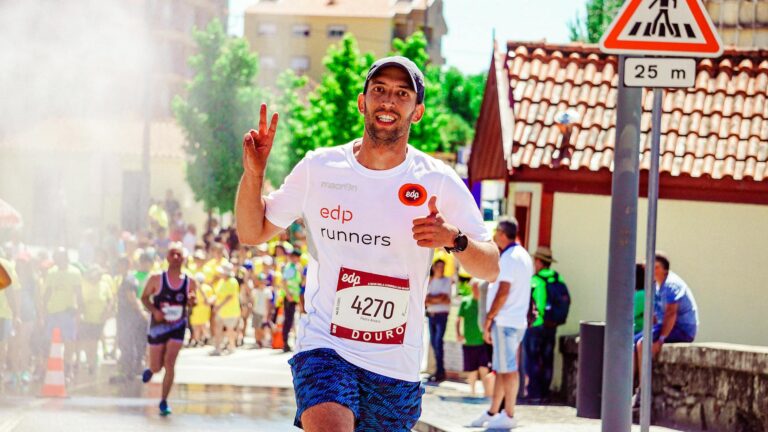
The best yoga poses for unlocking hip mobility in runners are those that target the external rotators, hip flexors, and gluteal muscles—specifically pigeon pose, low lunges, lizard pose, and half splits. These poses address the biomechanics of running, which naturally tightens the hip flexors and external rotators while weakening the glute muscles, creating imbalances that restrict mobility and increase injury risk. A runner who spends eight to ten hours per week training while maintaining a desk job faces compounded hip tightness that yoga can meaningfully reverse.
Incorporating these poses into your routine can improve your running cadence, reduce knee pain, and prevent common injuries like IT band syndrome and piriformis syndrome. Most runners notice measurable improvements in hip mobility within three to four weeks of consistent practice, though the timeline varies depending on how tight your hips are at the start and how often you practice. The key difference between generic hip stretching and yoga-based mobility work is that yoga poses engage stabilizing muscles while you stretch, building functional strength rather than just temporary flexibility.
Table of Contents
- Why Do Runners Need Specific Hip Mobility Work?
- Understanding the Anatomy Behind Hip Tightness in Distance Runners
- Pigeon Pose—The Gold Standard for External Rotator Mobility
- Low Lunges and Half Splits for Hip Flexor Release
- Advanced Mobility Work and Potential Compensations
- Integrating Yoga Into Your Running Schedule
- Beyond Stretching—Building Hip Stability and Control
- Conclusion
Why Do Runners Need Specific Hip Mobility Work?
running is a repetitive movement that cycles through a limited range of motion. Your hip flexors contract with every stride, pulling your knee up toward your chest, while your glutes and hip external rotators work to stabilize your pelvis. Over time, the flexors become chronically shortened while the external rotators fatigue, creating a mobility imbalance that feels like your hips are locked. This imbalance doesn’t just feel restrictive—it changes how your foot strikes the ground and how your knee tracks, which cascades into injury.
Compare this to a sport like gymnastics or dance, where athletes train through a full range of hip motion. Runners typically max out at 60 to 70 percent of their available hip mobility because running demands power in a straight line, not multi-directional stability. When you add sitting at work for eight hours, that percentage drops further. A 2019 study in the Journal of Athletic Training found that runners with limited hip external rotation were 4.5 times more likely to develop patellofemoral pain. The solution isn’t just flexibility drills—it’s yoga poses that restore mobility while building the neuromuscular control to maintain it.
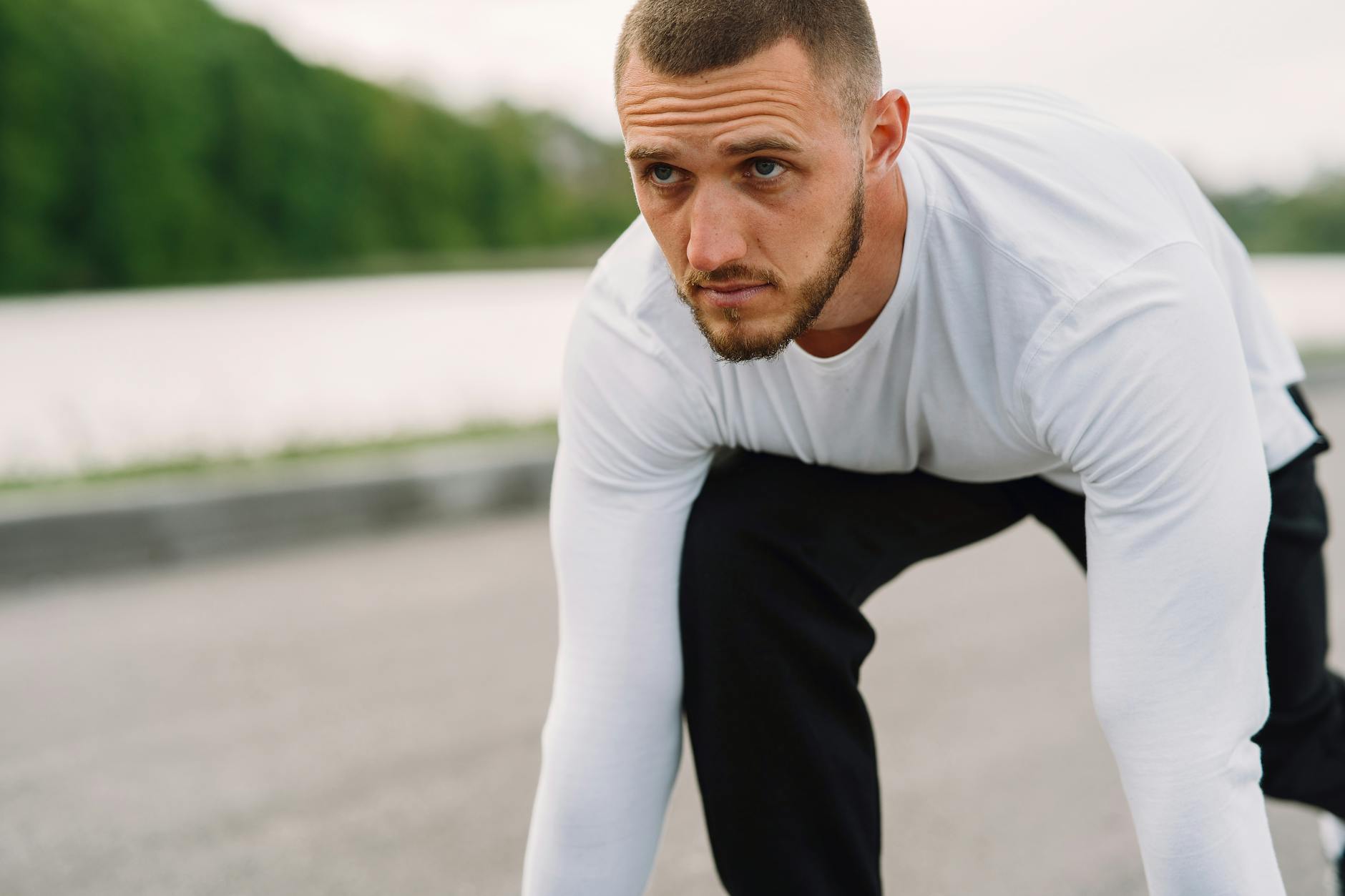
Understanding the Anatomy Behind Hip Tightness in Distance Runners
The hip joint is a ball-and-socket joint with six primary movements: flexion, extension, abduction, adduction, external rotation, and internal rotation. Running demands primarily sagittal-plane movement (forward and backward), which means your frontal-plane and transverse-plane mobility atrophy. The deep external rotators—the piriformis, superior gemellus, and inferior gemellus—become weak because they’re not heavily recruited during forward motion. Simultaneously, your psoas and rectus femoris shorten because they’re working hard with every stride.
This anatomical mismatch creates a specific problem: without external rotation mobility, your pelvis tilts differently during running, forcing compensation patterns. Your lower back might extend more than it should, your foot might turn inward, or your knee might valgus collapse inward. Each of these compensation patterns is a precursor to injury. A real-world example: a 35-year-old marathon runner might develop clicking in the hip joint not from running impact, but from the head of the femur jamming slightly forward in the socket because the external rotators can’t open the hip enough during stance phase. Yoga can’t change your skeletal anatomy, but it can restore the mobility and muscle control that allows your skeleton to move properly—a critical distinction.
Pigeon Pose—The Gold Standard for External Rotator Mobility
Pigeon pose (eka pada rajakapotasana prep) is the most effective single yoga pose for runners because it directly targets the piriformis and other deep external rotators while simultaneously stretching the glute maximus. To perform it correctly, start in a tabletop position, bring your right knee forward toward your right wrist, and lower your right hip toward the ground. Fold forward over your leg and hold for 90 seconds to two minutes on each side. The angle of your front shin matters—a shin that’s closer to parallel to your torso stretches the piriformis more intensely, while a shin turned more toward your front arm emphasizes the glute maximus. The limitation of pigeon pose is that it’s intense and easy to perform incorrectly.
Many runners make the mistake of forcing their hips square to the ground, which strains the lower back instead of achieving the desired stretch. If you have IT band syndrome, a tight TFL, or a history of knee issues, you need to modify pigeon by keeping your front shin more vertical and using a block under your hip. Another common error is holding the pose for too short—30 seconds is insufficient for lasting mobility gains. You need at least 90 seconds to allow the nervous system to release the muscle’s protective tension. Runners who practice pigeon three to four times per week typically report noticeable improvements in hip opening within two weeks.
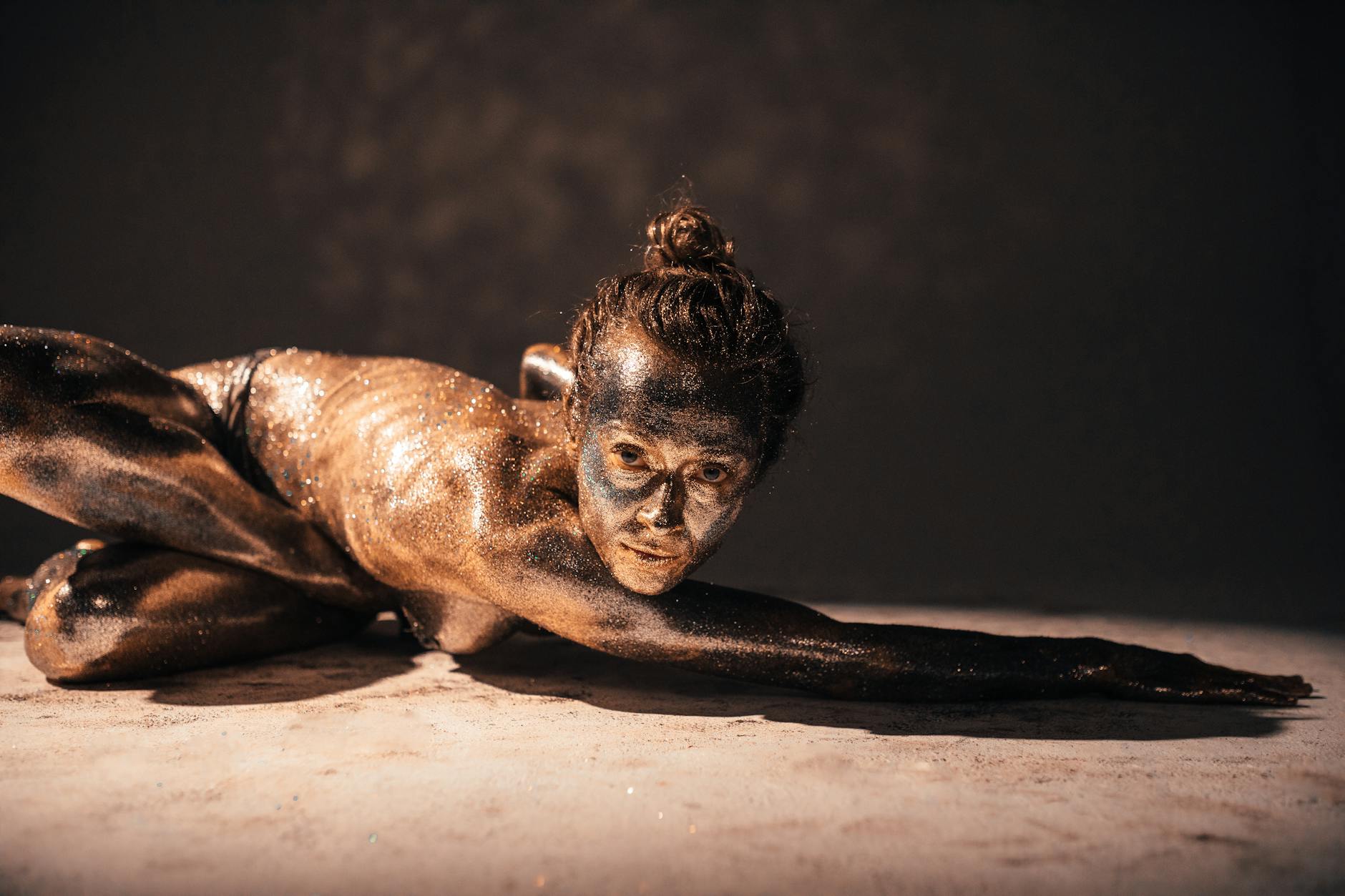
Low Lunges and Half Splits for Hip Flexor Release
While external rotation is critical, runners also need to address chronically shortened hip flexors. A low lunge holds your back knee on the ground, front knee at a 90-degree angle, and sinks your hips forward to stretch the psoas and rectus femoris of the back leg. For deeper work, transition into a half split by straightening your front leg and folding forward—this combines hip flexor stretching with hamstring mobility, which most runners need equally. Holding a low lunge for 60 to 90 seconds followed by a 60-second half split creates a powerful mobility sequence that directly counters the hip flexor shortening from running. The tradeoff is between intensity and sustainability.
A aggressive lunge held for two minutes creates more acute stretching sensation, but it can trigger protective muscle tension, especially in runners with significant mobility restrictions. A more moderate lunge held for 90 seconds, repeated on both sides, allows for deeper neural adaptation and more lasting improvements. Runners with existing anterior knee pain should be cautious with lunges because the forward knee can create compressive forces on the joint. In these cases, modify by performing the lunge on a padded surface or shifting more weight into the back leg. The combination of low lunges and half splits should be performed at least three times per week, preferably after runs when muscles are warm and more responsive to stretching.
Advanced Mobility Work and Potential Compensations
Once you’ve established baseline mobility with pigeon and low lunges, more advanced poses like fire log pose (agnisthasana) and butterfly pose (bhadrankasana) target deeper external rotation and adduction. Fire log pose stacks one shin on top of the other in front of you and fold forward—this is an extremely intense external rotator stretch that should only be attempted after four to six weeks of foundational pigeon work. Many runners make the mistake of jumping to advanced poses too quickly, which triggers protective muscle tension and actually reduces mobility temporarily. A critical warning: if you experience sharp pain in the hip joint during any of these poses, stop immediately. Sharp pain suggests you may be compressing or jamming the hip joint, which is a sign of either structural issues or extremely limited mobility that requires more gradual work.
Stretching sensation—a dull, pulling feeling—is appropriate. Sharp, catching, or clicking sensations are not. If you have a history of hip labral issues, femoroacetabular impingement (FAI), or hip osteoarthritis, consult a physical therapist before aggressively pursuing deep hip mobility work. These conditions can worsen with overly aggressive stretching. For most runners without pre-existing hip pathology, four to six weeks of consistent pigeon and lunge work creates significant improvements before advancing to poses like fire log.
Integrating Yoga Into Your Running Schedule
The timing of your yoga practice relative to your running schedule matters. Performing intensive hip mobility work immediately before a hard run can reduce muscle stiffness to the point that muscles can’t stabilize properly, increasing injury risk. Instead, perform mobility yoga after easy runs or on separate rest days. Many runners find that 20 to 30 minutes of hip-focused yoga on non-running days, plus five to ten minutes of light stretching after runs, creates the optimal adaptation stimulus.
A practical example: a runner training for a half marathon might do pigeon, low lunges, and butterfly pose on Monday evening, an easy run with light stretching on Tuesday, a strength session on Wednesday, and another yoga session on Friday, with runs on Tuesday, Thursday, and Saturday. The frequency matters more than duration. Fifteen minutes of consistent daily yoga practice produces better mobility gains than 60 minutes once per week, because the nervous system needs frequent, moderate stimulation to downregulate protective muscle tension. Most runners see measurable improvements within two to three weeks if they practice four to five days per week. If you can only commit to two to three days per week, expect the timeline to extend to four to six weeks, but you’ll still see improvement.
Beyond Stretching—Building Hip Stability and Control
Mobility without stability is incomplete. You can achieve excellent passive hip mobility through stretching, but if your muscles can’t actively control that range of motion, you won’t translate the improvements to your running. Yoga naturally builds this active control because you’re holding positions under load, forcing your stabilizing muscles to engage while you’re mobile. Poses like warrior one, warrior two, and extended side angle build hip stabilizers while demanding mobility.
These poses should be part of your routine alongside passive stretching poses like pigeon. Looking forward, runners who consistently practice hip mobility yoga report not just reduced pain and injury risk, but improved running economy—the amount of energy required to maintain a given pace. This happens because corrected hip mechanics reduce compensatory movement and wasted energy. Over a marathon distance, even a two to three percent improvement in running economy translates to meaningful time savings. The foundation for this benefit is built through consistent practice of mobility poses that directly target the hip joint and its stabilizing muscles.
Conclusion
The best yoga poses for unlocking hip mobility in runners—pigeon pose, low lunges, half splits, and their deeper variations—address the specific biomechanical limitations created by the running stride. These poses are effective because they target the chronically tight external rotators and hip flexors that most runners share, while building active stability through the range of motion you’re developing. Consistency matters more than intensity; four to five days per week of 15 to 30-minute sessions produces better results than sporadic longer sessions.
Start with foundational poses like pigeon and low lunges, perform them after easy runs or on separate rest days, and hold each pose for at least 90 seconds to allow meaningful nervous system adaptation. Expect measurable improvements in hip mobility within two to four weeks, with corresponding improvements in running comfort and injury risk reduction over six to twelve weeks. If you experience sharp pain rather than stretching sensation, or if you have a history of hip pathology, seek guidance from a physical therapist. For most runners, a consistent yoga practice targeting hip mobility is one of the highest-return investments you can make in your running longevity.