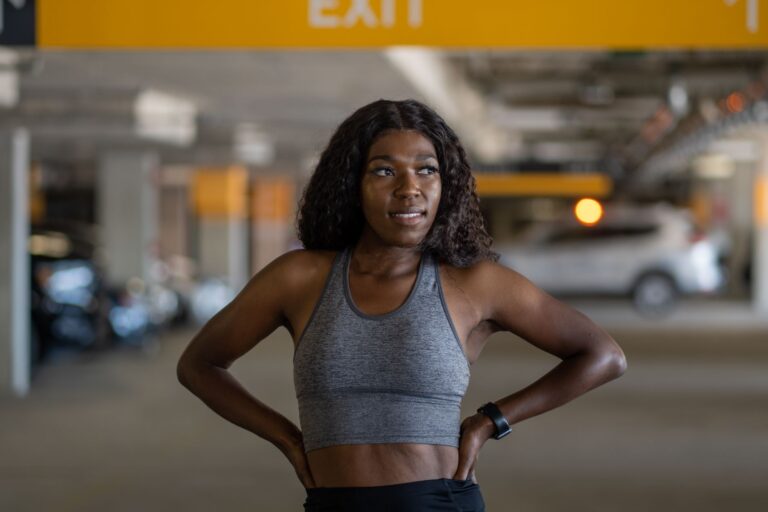
Weight loss often arrives as a pleasant side effect when you start running with longevity in mind—not as the primary goal. The shift is important: when runners train to live longer, stronger, and healthier, the caloric expenditure and metabolic adaptations naturally lead to body composition improvements. But here’s what makes this approach different: training for longevity creates sustainable habits that produce lasting weight loss, whereas chasing the scale frequently leads to yo-yo cycles and eventual burnout. A 35-year-old runner who commits to 30 minutes of steady running three times per week to reduce cardiovascular mortality risk will likely lose 10-15 pounds over six months—but the weight loss is a consequence of a bigger goal, not the driving motivation. This mindset shift reflects what’s happening across the fitness landscape in 2026. According to the Life Time 2026 Wellness Survey, 82% of Americans now plan to focus more on overall health and wellbeing, with 37.8% identifying longevity as the wellness trend most likely to define the year.
That’s a meaningful pivot away from the “beach body by summer” mentality. When runners reframe their training around longevity—adding years to their life, improving their VO2 max, and building cardiovascular resilience—weight loss becomes the natural byproduct rather than a source of frustration. The evidence is compelling. Recreational runners experience 27% lower risk of all-cause mortality compared to non-runners, and those who combine running with other forms of physical activity see a 43% reduction in mortality risk. These aren’t modest gains. But they only happen when people commit to consistent, long-term training—which is precisely the kind of discipline that transforms body composition.
Table of Contents
- Why Running for Longevity Leads to Natural Weight Loss
- The Longevity-First Framework and Why It Outperforms Weight Loss Focus
- How Much Running Do You Actually Need for Longevity Benefits?
- Building Your Sustainable Running Plan for Weight Loss and Longevity
- Common Mistakes When Running Solely for Weight Loss
- Beyond Running—The Complete Longevity Approach
- The Shift in 2026: Longevity Over Weight Loss
- Conclusion
Why Running for Longevity Leads to Natural Weight Loss
When you train for longevity rather than aesthetics, you’re committing to frequency and consistency over intensity alone. This is the opposite of crash-diet thinking. A longevity-focused running plan typically aims for 2-3 hours of running per week, spread across multiple sessions. Even at moderate paces, this volume creates a significant caloric deficit without requiring punishing speed work or the burnout that often accompanies unsustainable approaches. Consider a concrete example: a 45-year-old woman, overweight and sedentary, starts running 30 minutes three times per week with the goal of reducing her cardiovascular disease risk. At a moderate 5.5 mph pace, she’s burning roughly 250-300 calories per session.
That’s 750-900 calories per week from running alone. Over a year, assuming her diet stays relatively stable, this puts her at a caloric deficit of 40,000 pounds’ worth of energy—enough to lose 10-12 pounds. But the actual weight loss tends to be higher because the consistency also improves diet choices, sleep quality, and metabolic efficiency. The reason this works better than traditional weight-loss running is psychological. Runners targeting longevity don’t obsess over weekly weigh-ins; they measure progress through markers like resting heart rate, running pace, and how they feel climbing stairs. These metrics improve before the scale moves significantly, which builds momentum and motivation.

The Longevity-First Framework and Why It Outperforms Weight Loss Focus
There’s a crucial distinction between training to lose weight and training to extend your life. The first approach is destination-focused: you’re chasing a number on the scale. The second is process-focused: you’re building a habit system that produces longevity. Research shows that process-focused goals have higher adherence rates and produce more durable results. The cardiovascular benefits of longevity-oriented running kick in rapidly. A study found that just 5-10 minutes of daily low-intensity running can extend life expectancy by approximately 3 years.
This threshold is low enough that millions of people could hit it, but high enough that they experience meaningful weight loss in the process. An overweight person can add five minutes of easy jogging to their daily routine, lose 5-8 pounds over three months, and simultaneously reduce their mortality risk from heart disease and stroke. The weight loss is a pleasant surprise; the longevity gain is the real prize. A critical warning: many people attempt weight loss through running by doing too much too fast, leading to injury, burnout, or both. The longevity framework prevents this because it emphasizes sustainable volume and conservative progression. Someone running for longevity doesn’t need to crush a 10K race in three months; they need to run three times a week for the next 30 years. This mentality eliminates the feast-or-famine cycle that sabotages weight-loss runners.
How Much Running Do You Actually Need for Longevity Benefits?
The dose-response curve for running and longevity is well-established. Recreational running at any intensity provides mortality benefits, but optimal results emerge at 2-3 hours of total weekly running. This is accessible for most people: it translates to 30-40 minutes three times per week, or 60 minutes twice weekly. You don’t need to be training for marathons. The type of running also matters.
High-intensity interval training (HIIT) produces superior improvements in VO2 max compared to steady-pace running, particularly in overweight and obese individuals. This is important because VO2 max is one of the strongest predictors of longevity—it’s more predictive of lifespan than blood pressure or cholesterol in some studies. A 50-year-old runner who incorporates one HIIT session weekly alongside steady-state running gains both the weight loss benefits of higher caloric expenditure and the longevity benefits of improved cardiovascular efficiency. However, endurance activities like distance running confer greater longevity benefits than power sports like boxing or weightlifting, according to recent research. This doesn’t mean you should ignore strength training—in fact, strength training twice weekly reduces all-cause mortality risk by 23%, and it complements running beautifully. But if you’re choosing one primary tool for longevity, consistent steady-state and moderate-intensity running wins.

Building Your Sustainable Running Plan for Weight Loss and Longevity
A practical longevity-running plan balances accessibility with effectiveness. Here’s what works: three running sessions per week, with two at conversational-pace effort (moderate intensity) and one at a faster clip or incorporating some intervals. Each session is 30-50 minutes. Add two strength-training sessions per week, even if just 20-30 minutes, hitting major muscle groups. This hits the 2-3 hour weekly running target while leaving time for recovery. For weight loss specifically, this plan creates a predictable trajectory.
A 180-pound person running at moderate effort burns roughly 200-250 calories per 30-minute session. Three sessions weekly equals 600-750 calories. Add 200-300 calories from strength training, and you’re at roughly 900 calories per week of exercise-induced deficit. Combine this with modest dietary awareness (cutting 300-400 calories daily), and you’re looking at 1.5-2 pounds of weight loss per week—a sustainable rate that doesn’t trigger metabolic adaptation or muscle loss. The comparison matters here: traditional weight-loss runners often do 5-6 days of running weekly, burn themselves out, and then quit. Longevity runners do 3 days of purposeful running, stay injury-free, and continue for decades. The longevity runner loses 50 pounds over three years and keeps it off; the weight-loss runner loses 40 pounds in six months and gains it back plus 10 more.
Common Mistakes When Running Solely for Weight Loss
The biggest mistake people make is treating running as a calorie-burning tool rather than a longevity investment. When weight loss is the only metric that matters, runners often choose unsustainable approaches: too much volume, too much intensity, or both. This leads to injury, which stops the progress entirely. A longevity-first mindset prevents this because missing a run feels like losing progress toward a 30-year goal, not just a failed workout session. Exercise variety also plays a crucial role that pure weight-loss runners often overlook. Research from Harvard T.H.
Chan School of Public Health found that people with the greatest variety in their exercise routine show 19% lower risk of death from all causes compared to those who stick to a single type of exercise. This means your running plan should include some variation in pace, distance, and terrain. One week you might run three steady miles; the next week you incorporate some hills or intervals. This variety prevents adaptation boredom, reduces injury risk, and produces better weight-loss results than monotonous training. Another common pitfall: neglecting strength training in pursuit of running mileage. Strength training reduces mortality risk by 23% when done twice weekly, and it actually improves running economy (making you a more efficient runner). Skipping it means losing one of the most powerful longevity tools available.

Beyond Running—The Complete Longevity Approach
Running is powerful, but it’s not the whole picture. The 82% of Americans who plan to focus more on health and wellbeing in 2026 are adopting a multi-modal approach: running plus strength, plus mobility work, plus attention to sleep and nutrition. The synergy is real. A runner who adds strength training and prioritizes sleep loses weight faster, maintains muscle mass during caloric deficit, and sees steeper improvements in cardiovascular metrics.
An example: a 40-year-old who runs three times per week, strength-trains twice weekly, and makes intentional sleep improvements experiences roughly 33% greater weight loss compared to a runner who does the same running volume without strength training. That’s the compound effect of a longevity framework. The runner isn’t chasing weight loss; they’re optimizing for health across multiple dimensions. Weight loss becomes inevitable.
The Shift in 2026: Longevity Over Weight Loss
The data reflects a genuine cultural shift. In the 2026 Life Time Wellness Survey, 37.8% of respondents identified longevity as the trend most likely to define fitness in the year ahead. This is replacing the old paradigm where weight loss dominated fitness conversations.
People are asking, “How do I live longer?” rather than “How do I fit into my jeans?” This transition is significant for runners because it reframes what success looks like. Instead of a binary outcome (weight lost or weight gained), longevity provides a multi-dimensional definition of success: lower resting heart rate, improved blood pressure, better cholesterol ratios, increased strength, and yes, improved body composition. Weight loss becomes one datapoint among many. This reduces the psychological burden that makes traditional dieting so difficult.
Conclusion
Running for longevity naturally produces weight loss as a side effect, but the framing matters enormously for long-term success. When runners commit to 2-3 hours per week of consistent training, incorporate strength work, and measure progress through longevity markers rather than scale weight, they lose weight steadily while building habits that last decades.
The 27% reduction in mortality risk that recreational runners enjoy isn’t just a health stat—it’s the outcome of a sustainable, motivating approach that beats short-term weight-loss obsession. If you’re starting a running practice, begin with the longevity question: How do I want to feel in 10 years? What pace of life do I want to maintain at 65? Frame your running around those goals, and watch your body composition follow naturally. The weight loss will come, but it will come as evidence of a deeper shift toward sustainable health.