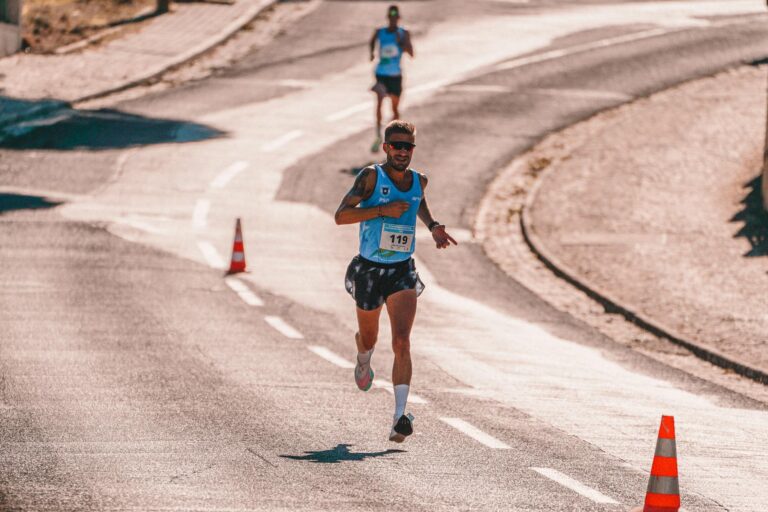
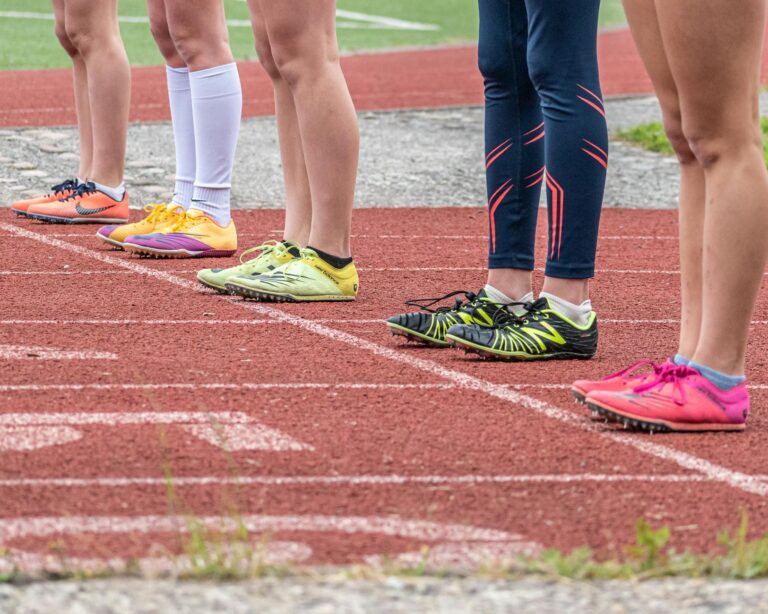
The running shoes that provide comfort after mile five share three critical features: responsive midsole cushioning that doesn’t compress flat under sustained impact, a heel-to-toe drop between 8-12mm that reduces calf fatigue, and an upper that allows foot expansion without creating pressure points. Models like the ASICS Gel-Nimbus, Brooks Glycerin, and New Balance Fresh Foam 1080 consistently deliver late-mile comfort because they use dual-density foams that maintain their energy return properties even after thousands of foot strikes in a single run. A marathoner who feels fine at mile three but develops hot spots or aching arches by mile seven often isn’t dealing with fitness limitations””they’re wearing shoes optimized for short efforts. The difference between early-mile comfort and sustained comfort comes down to materials science.
Entry-level running shoes frequently use EVA foam that feels plush during the first twenty minutes but compresses and loses responsiveness as heat and repetitive impact break down its cellular structure. Higher-end distance shoes incorporate nitrogen-infused foams, TPU-based compounds like Adidas Boost or Saucony PWRRUN+, or Pebax-based plates that resist compression fatigue. For example, a runner logging 45-minute training runs might never notice their shoes losing cushioning, but the same shoes on a 90-minute long run reveal their limitations around the 5-6 mile mark when the foam no longer rebounds effectively. This article covers why shoes fail at longer distances, the specific technologies that maintain comfort, how to test shoes before committing to them, fitting considerations that only matter for distance running, and common mistakes that lead to late-mile discomfort even in quality shoes.
Table of Contents
- Why Do Running Shoes Lose Cushioning Comfort After Mile Five?
- Midsole Technologies That Maintain Comfort Over Distance
- How Heel Drop Affects Comfort in Distance Running Shoes
- Finding the Right Fit for Long-Distance Running Comfort
- Common Mistakes That Cause Late-Mile Discomfort
- The Role of Sock Choice in Long-Run Shoe Comfort
- How to Prepare
- How to Apply This
- Expert Tips
- Conclusion
- Frequently Asked Questions
Why Do Running Shoes Lose Cushioning Comfort After Mile Five?
The primary reason shoes lose cushioning comfort after mile five relates to foam compression and heat buildup. When your foot strikes the ground, midsole foam compresses and should spring back to its original shape before the next stride. During the first few miles, this cycle works efficiently. However, as miles accumulate, the foam retains heat from friction and impact, causing its cellular structure to soften and compress more permanently with each step. Basic EVA foam can lose up to 40% of its energy return properties when heated to temperatures common inside a running shoe during extended efforts. Your feet also change significantly during longer runs, which compounds the cushioning problem.
Blood flow increases to working muscles, and your feet can swell by half a shoe size or more after 45 minutes of running. Shoes that fit perfectly at mile one become constrictive by mile six, creating pressure against the upper that makes every step feel less cushioned even if the midsole performs identically. This is why many experienced distance runners size up a half size for their long-run shoes compared to their speed workout shoes. Comparing two popular shoes illustrates this phenomenon clearly. The Nike Pegasus uses a single-density React foam that many runners find comfortable for runs under an hour. The Nike Invincible, by contrast, uses a much thicker stack of ZoomX foam that maintains its properties longer but feels unstable at faster paces. Neither is objectively better””but a runner training for a half marathon who tests only the Pegasus on short shakeout runs may be disappointed when their cushioning disappears during the actual race.
Midsole Technologies That Maintain Comfort Over Distance
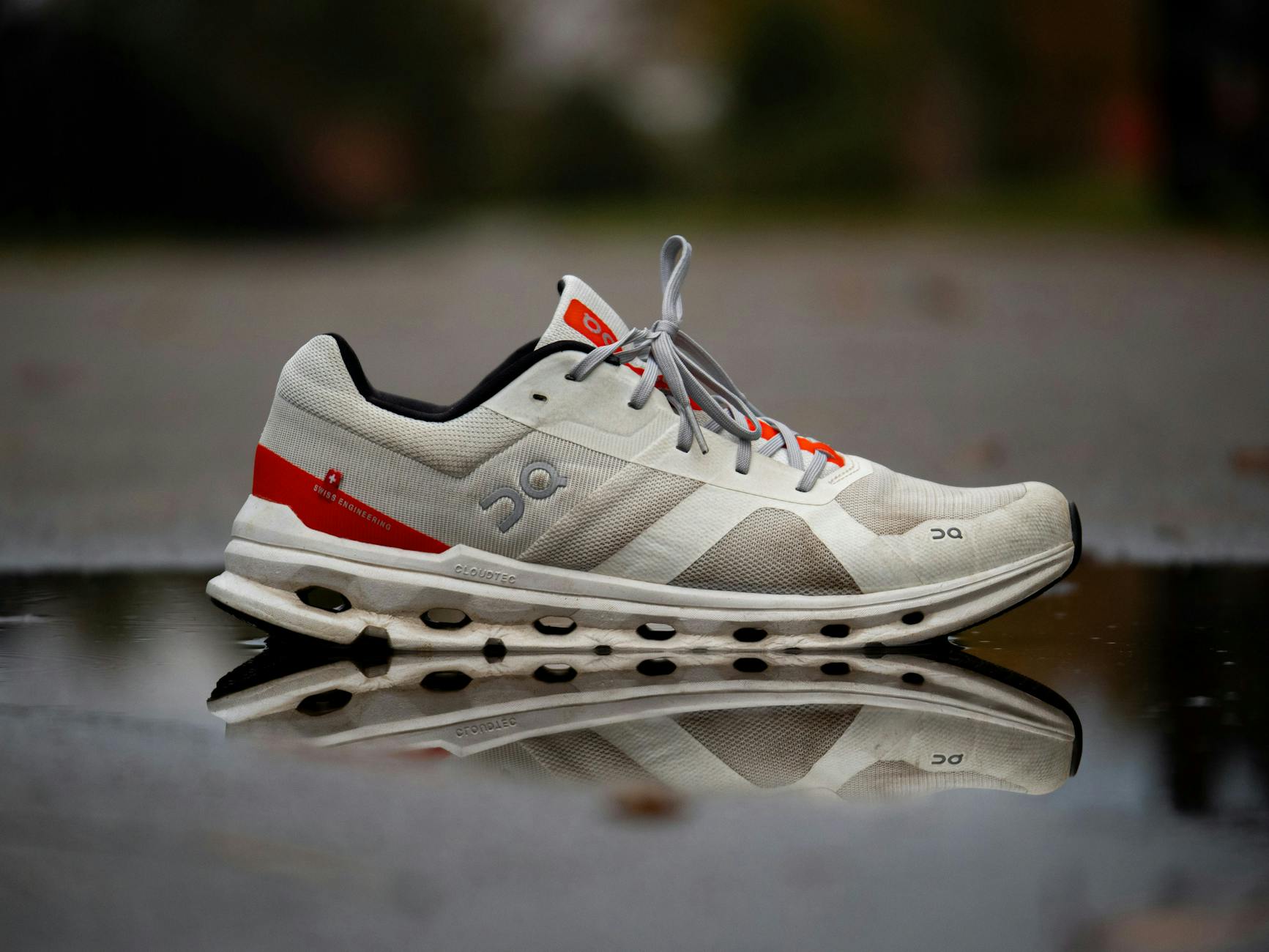
Modern distance running shoes employ several foam technologies specifically engineered to resist the compression fatigue that plagues basic EVA. Pebax-based foams, found in shoes like the Saucony Endorphin series and Nike Vaporfly, maintain their energy return properties across temperature ranges and extended impact because their closed-cell structure resists permanent deformation. These foams typically return 85-90% of impact energy even after thousands of compressions, compared to 60-70% for standard EVA. Nitrogen-infused foams represent another approach to sustained cushioning. New Balance’s FuelCell and Brooks’ DNA Loft v3 inject nitrogen gas into the foam during manufacturing, creating air pockets that provide cushioning without relying entirely on the foam’s structural properties.
These foams feel slightly firmer initially but maintain consistent performance longer because the nitrogen pockets don’t compress permanently the way foam cells do. The tradeoff is that these shoes often feel less immediately plush in store try-ons, leading some runners to choose softer-feeling but less durable options. However, if your running form breaks down significantly when fatigued””a common occurrence after mile five for newer runners””maximum cushioning can actually increase injury risk. Highly cushioned shoes with tall stack heights reduce ground feel, making it harder for your feet to sense and respond to surface variations. Runners who overpronate more severely when tired may find that heavily cushioned neutral shoes allow excessive inward roll, creating knee and hip discomfort that no amount of midsole technology can solve. In these cases, a moderate-cushion stability shoe often provides better late-mile comfort than a maximum-cushion neutral shoe.
How Heel Drop Affects Comfort in Distance Running Shoes
Heel-to-toe drop””the difference in midsole height between the heel and forefoot””significantly influences which muscles fatigue during extended runs and where you feel discomfort after mile five. Shoes with higher drops (10-12mm) shift stress toward the quadriceps and knees, while lower-drop shoes (0-6mm) increase loading on the calves and Achilles tendon. Most runners develop muscle endurance patterns based on their typical training shoes, and switching drop heights without a transition period almost guarantees late-mile discomfort. For runners experiencing calf tightness or Achilles soreness in the late miles, a higher-drop shoe often provides immediate relief. The elevated heel reduces the range of motion required from the calf muscles during the landing phase, allowing them to work less intensely over the course of a long run.
Traditional marathon racing flats used 10-12mm drops specifically for this reason””not because higher drops are inherently better, but because the accumulated calf strain over 26.2 miles could become debilitating in lower-drop shoes. A specific example demonstrates this relationship. A runner training in Altra Escalante shoes (zero drop) who races in Nike Alphafly (8mm drop) may find the first few miles feel effortless due to reduced calf loading, but their quadriceps””unaccustomed to the altered mechanics””fatigue prematurely. The reverse transition creates the opposite problem. The lesson isn’t that one drop height is correct, but that late-mile comfort requires consistency between training and racing, with any changes introduced gradually over several weeks.
Finding the Right Fit for Long-Distance Running Comfort
Fitting running shoes for distance comfort requires different criteria than fitting for daily training or speed work. The thumbnail rule””maintaining a thumb’s width of space between your longest toe and the shoe’s end””matters more for long runs because your feet swell significantly as blood flow increases. Fitting shoes in the morning when your feet are smallest almost guarantees cramped toes by mile seven during an afternoon or evening run. The width of the forefoot box determines how comfortably your foot can spread under load during the late miles of a run. Many popular running shoes taper significantly toward the toe, creating a sleek appearance but forcing toes into an unnatural compressed position.
Brands like Altra, Topo Athletic, and certain New Balance models offer anatomically-shaped toe boxes that accommodate the natural spreading your foot requires. For runners who experience numbness, tingling, or blistering between toes after mile five, switching to a wider toe box often solves problems that extra cushioning never could. The tradeoff with roomy toe boxes involves lateral stability and lockdown feel. Shoes with ample forefoot space can feel sloppy at faster paces, allowing excessive foot movement that creates friction and wastes energy. A runner who needs width for long easy runs might prefer a different, narrower shoe for tempo work and intervals. Maintaining two different training shoes for different purposes is common among experienced runners””not for marketing reasons, but because the biomechanical demands genuinely differ.
Common Mistakes That Cause Late-Mile Discomfort
The most frequent cause of post-mile-five discomfort isn’t the shoes themselves but how runners lace them. Standard criss-cross lacing creates pressure points across the top of the foot that feel acceptable for short runs but become painful as feet swell and tissue inflammation increases. The “runner’s loop” technique””using the extra eyelet holes near the ankle to create a heel-lock””reduces heel slippage, allowing runners to loosen the midfoot lacing without losing overall security. Many runners suffering from top-of-foot pain or numbness find that changing their lacing pattern solves problems they attributed to inadequate cushioning. Wearing shoes beyond their functional lifespan guarantees declining late-mile comfort. Midsole foam degrades invisibly, maintaining its appearance long after its cushioning properties have diminished.
The general guideline of replacing shoes every 300-500 miles exists because foam breakdown is cumulative and gradual””runners adapt to declining cushioning without noticing until an injury emerges. Tracking mileage on each pair and maintaining a rotation of two or three shoes extends the life of each pair while ensuring you always have a fresh option for long runs. A warning: running through early discomfort to “break in” new shoes rarely works and frequently causes injury. Modern running shoes require minimal break-in time””if a shoe doesn’t feel comfortable in the first two miles, it probably won’t feel better at mile six. The exception involves transitioning to significantly different drop heights or cushioning levels, which requires neuromuscular adaptation that happens over weeks, not within a single run. Attempting to break in radically different shoes during a long run is a reliable recipe for injury.

The Role of Sock Choice in Long-Run Shoe Comfort
Socks interact with shoes to determine blister formation, moisture management, and overall foot comfort in ways runners frequently underestimate. Technical running socks made from merino wool or synthetic moisture-wicking blends keep feet drier than cotton, reducing the friction that causes blisters after extended mileage. A quality pair of socks can make a mediocre shoe feel comfortable, while cotton athletic socks can create problems even in premium footwear.
For example, many runners who experience blistering only on runs longer than five miles find that switching from cotton to merino wool socks eliminates the issue entirely. The moisture management matters more as runs lengthen because sweat accumulates and softens skin, making it more susceptible to shearing forces. Thicker cushioned socks also change the fit of a shoe noticeably””runners should try on and purchase shoes while wearing the socks they intend to use for training, not the thin dress socks they happened to wear to the store.
How to Prepare
- **Test on progressively longer runs first.** Begin with a 3-mile run, then 5 miles, then 7+ miles on successive outings. Evaluate comfort at each distance, noting when and where discomfort appears. Shoes that reveal problems at mile three will only create worse problems at mile eight.
- **Run at your intended easy pace, not faster.** Slower paces involve longer ground contact time per stride, loading cushioning systems differently than speed work. Test long-run shoes at long-run pace to get accurate feedback.
- **Experiment with lacing before committing.** Try the runner’s loop, skip lacing over tender areas, and adjust overall tightness. Document what works before you need to remember it mid-run.
- **Wear your intended race-day or long-run socks during testing.** Sock thickness affects fit, and discovering an incompatibility during an important run creates unnecessary problems.
- **Test in conditions matching your target event.** Hot weather swells feet more than cool weather. If you’re training for a summer race, test shoes in warm conditions to understand how your feet will change.
How to Apply This
- **Shop late in the day when your feet are naturally swollen.** This approximates the foot size you’ll have during the late miles of a long run, helping you avoid buying shoes that will feel tight when you need comfort most.
- **Request a run test, not just a walk around the store.** Many specialty running stores have treadmills or allow parking lot jogs. Even 30 seconds of running reveals fit issues that walking cannot detect.
- **Buy two different options and return one after testing.** Most running retailers allow returns of lightly-used shoes within 30-60 days. Take advantage of this policy to test shoes on actual runs rather than committing based on in-store feel.
- **Ask specifically about late-mile performance.** Salespeople often default to recommending their newest or most cushioned models. Ask which shoes maintain their cushioning properties over distances exceeding five miles, and whether customers have reported durability issues.
Expert Tips
- Reserve your most cushioned shoes for easy long runs only; using them for all training accelerates foam breakdown and reduces the comfort differential when you need it most.
- Do not select shoes based primarily on weight; the lightest shoes typically sacrifice cushioning durability, trading grams for late-mile comfort.
- Rotate between at least two pairs of running shoes, allowing 24-48 hours for midsole foam to fully recover its shape between runs.
- Pay attention to where discomfort appears, not just when; top-of-foot pain suggests lacing issues, arch pain suggests inadequate support, and toe pain suggests fit problems””each requires different solutions.
- Consider having your gait analyzed when fatigued, not fresh; your form at mile seven reveals support needs that analysis during a fresh 30-second treadmill jog misses entirely.
Conclusion
Running shoes that provide comfort after mile five depend on materials that resist compression fatigue, fits that accommodate foot swelling, and designs matched to your individual biomechanics. The specific features to prioritize include responsive foams like Pebax or nitrogen-infused compounds, appropriate heel-to-toe drops for your muscle conditioning, and toe boxes wide enough to allow natural foot spreading. No single shoe works for every runner, but understanding why comfort fails after extended mileage helps you evaluate options systematically.
Take the time to test shoes on progressively longer runs before trusting them for important efforts. Use specialty running stores’ return policies to compare options in real conditions. Track your shoe mileage to replace pairs before their cushioning degrades invisibly, and maintain a rotation to extend each shoe’s effective lifespan. The runners who never struggle with late-mile discomfort aren’t luckier than others””they’ve simply learned to match their footwear to the specific demands of distance running.
Frequently Asked Questions
How long does it typically take to see results?
Results vary depending on individual circumstances, but most people begin to see meaningful progress within 4-8 weeks of consistent effort. Patience and persistence are key factors in achieving lasting outcomes.
Is this approach suitable for beginners?
Yes, this approach works well for beginners when implemented gradually. Starting with the fundamentals and building up over time leads to better long-term results than trying to do everything at once.
What are the most common mistakes to avoid?
The most common mistakes include rushing the process, skipping foundational steps, and failing to track progress. Taking a methodical approach and learning from both successes and setbacks leads to better outcomes.
How can I measure my progress effectively?
Set specific, measurable goals at the outset and track relevant metrics regularly. Keep a journal or log to document your journey, and periodically review your progress against your initial objectives.
When should I seek professional help?
Consider consulting a professional if you encounter persistent challenges, need specialized expertise, or want to accelerate your progress. Professional guidance can provide valuable insights and help you avoid costly mistakes.
What resources do you recommend for further learning?
Look for reputable sources in the field, including industry publications, expert blogs, and educational courses. Joining communities of practitioners can also provide valuable peer support and knowledge sharing.