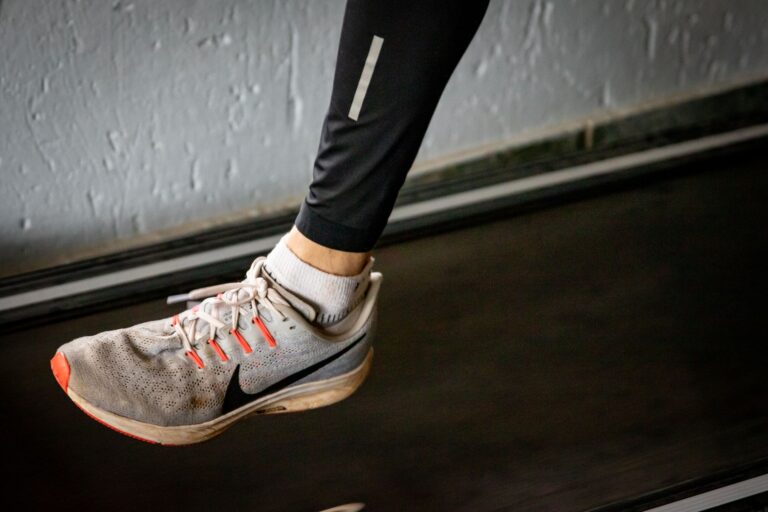
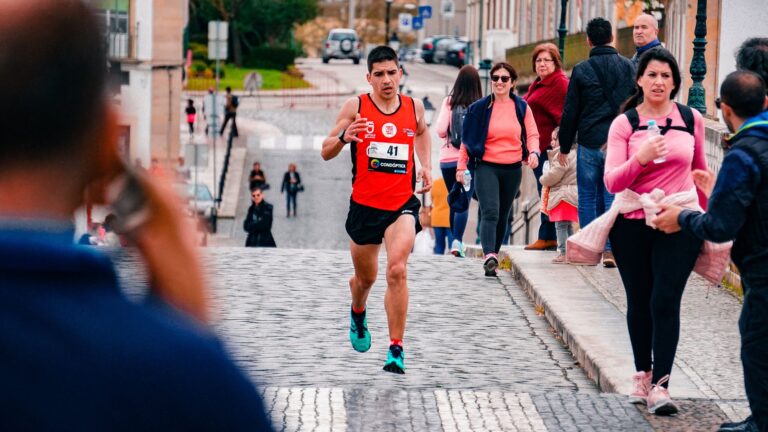
Neither indoor nor outdoor running is universally superior—the right choice depends on your goals, location, and training phase. A runner training for a marathon will get different benefits from outdoor road miles than someone using a treadmill during winter to maintain fitness. Outdoor running engages stabilizer muscles and demands real-world pacing adjustments, while treadmill running offers controlled conditions and precise workload measurement.
Both approaches have legitimate places in a serious runner’s training plan. The question isn’t which is better in absolute terms, but which serves your specific needs at any given moment. A runner in Minneapolis facing a subzero January might build aerobic base on a treadmill without guilt, while someone with access to temperate winter running gains advantage from outdoor miles. The evidence shows runners who cross-train between both environments often sustain better long-term performance and lower injury rates than those locked into one modality.
Table of Contents
- How Biomechanics Change Between Indoor and Outdoor Running
- Impact Forces and Joint Stress: Where the Injury Risk Lies
- Mental Health, Motivation, and the Psychology of Running
- Cost, Accessibility, and Practical Logistics
- Common Running Injuries Specific to Each Environment
- Cross-Training Benefits and Varied Stimulus
- Building a Balanced Year-Round Running Program
- Conclusion
- Frequently Asked Questions
How Biomechanics Change Between Indoor and Outdoor Running
The muscle activation patterns differ significantly between treadmill and outdoor running. On a treadmill, the belt moves under your feet, which reduces the work required from your hip extensors and glutes compared to propelling yourself forward on solid ground. Studies using electromyography show that outdoor running recruits stabilizer muscles in the ankles, knees, and hips at higher intensity because you must navigate uneven terrain, manage wind resistance, and constantly micro-adjust your body position.
Outdoor running also requires greater involvement of your anterior tibialis muscle, which helps prevent shin splints when strengthened properly. A treadmill runner switching abruptly to outdoor training often experiences soreness in muscles that weren’t being taxed before, even at the same pace. For example, a runner who completes a 5-mile treadmill run at 7-minute pace might struggle with muscle fatigue on a 5-mile outdoor run at the same pace because of this increased muscular demand. This adaptation typically takes two to three weeks as your body adjusts to the unfamiliar loading pattern.

Impact Forces and Joint Stress: Where the Injury Risk Lies
Treadmills reduce vertical impact force by approximately 40 percent compared to road running because the belt absorbs some shock and the deck typically has more give than asphalt or concrete. For runners recovering from certain injuries or those with existing joint problems, this shock absorption can be therapeutic. However, the treadmill’s constant, predictable impact pattern can create overuse injuries if you rely on it exclusively, because you never develop the varied micro-movements that build resilience in supporting tissues.
Outdoor running subjects your joints to higher impact but across varying surfaces—grass, dirt, slight inclines—that naturally distribute stress differently across muscles and joints. The risk on outdoor surfaces comes from acute injuries like ankle sprains on uneven ground, which a treadmill eliminates entirely. A runner dealing with knee pain from excessive mileage might find temporary relief on the treadmill while maintaining fitness, but must eventually reintroduce outdoor running carefully to prepare connective tissue for race-day conditions. Never assume a treadmill-trained runner can maintain their fitness progression on roads without a structured transition period, as sudden overload becomes a common injury trigger.
Mental Health, Motivation, and the Psychology of Running
The psychological benefits of outdoor running are well-documented in running psychology research. Exposure to natural light, changing scenery, and the social environment of outdoor running paths engages different parts of the brain than the repetitive stimulus of a treadmill room. Runners often report that outdoor running feels less monotonous and more meditative, even when the pace is identical to a treadmill session.
Treadmill running offers different psychological advantages: it removes weather as an obstacle to consistency, eliminates the mental negotiation about where to run, and for some runners provides a sense of control and routine that reduces decision fatigue. A runner training during a stressful period at work might find the stable, predictable treadmill environment grounding, while another runner in the same situation might find outdoor running their essential stress relief. The key distinction is that outdoor running typically sustains motivation better over months and years because environmental variety maintains novelty, whereas treadmill runners who never vary pace, incline, or location often report eventual motivation dip.

Cost, Accessibility, and Practical Logistics
Treadmill running requires either a gym membership (typically $50-150 monthly) or a home treadmill investment ($400-2,500 for a quality machine). Outdoor running is essentially free once you own shoes, which makes it more accessible financially for most runners. For runners in climates with brutal winters or air quality issues, however, the treadmill expense becomes a necessary investment to maintain training. A runner in Delhi during pollution season or Minneapolis in January faces a real choice: pay for gym access or skip training.
Outdoor running has accessibility barriers that reverse in different circumstances. An urban apartment dweller with no safe running routes nearby must find a gym or drive to a park, while a suburban runner with quiet roads has zero friction to getting outside. Weather represents another accessibility variable—some runners thrive in heat adaptation but struggle with dark mornings, making summer outdoor running natural and winter treadmill running equally necessary. The most practical approach for serious runners involves maintaining flexibility with both options rather than viewing either as a permanent solution, because life circumstances change seasonally and across years.
Common Running Injuries Specific to Each Environment
Treadmill running creates a distinct injury pattern centered on repetitive stress from the unchanging movement pattern. Treadmill knee pain, characterized by discomfort on the inside of the knee, occurs because the consistent impact and limited side-to-side movement don’t prepare muscles for the variability of outdoor running. Shin splints appear more frequently in runners who suddenly increase treadmill mileage without the gradual impact adaptation that outdoor running provides naturally through surface variation. Outdoor running produces different common injuries: ankle sprains from uneven terrain, IT band syndrome from consistent slight downhill grades, and plantar fasciitis from the varied impact of real ground.
A runner starting an outdoor training block after months of treadmill work often experiences calf soreness, anterior tibialis tightness, and sometimes stress fractures if the transition happens too quickly. The critical warning here is that neither environment makes you injury-proof—instead, each presents specific stress patterns. Rotating between both modalities over a training year prevents the adaptation to one specific injury pattern that comes from single-environment training. Many experienced runners schedule their heaviest treadmill work during harsh winters and shift to predominantly outdoor running in temperate months specifically to avoid repetitive stress accumulation.

Cross-Training Benefits and Varied Stimulus
Runners who strategically use both environments develop greater overall resilience and performance than those locked into one method. A typical approach might involve treadmill running for speed work during winter—because pace control is easier and weather doesn’t interrupt the session—while building aerobic base on outdoor routes during favorable seasons. This variation naturally prevents the adaptation plateau that comes from identical training stress.
One practical example: a runner training for a 10K might do tempo runs on a treadmill twice monthly (where precise pace tracking helps gauge fitness progression), with the bulk of their aerobic miles outdoors on variable terrain. This approach builds the pace-specific fitness the treadmill provides while maintaining the injury resilience and movement patterns that outdoor running develops. Runners who commit to this mixed approach report both higher enjoyment and better race-day performance than peers who trained exclusively on one surface.
Building a Balanced Year-Round Running Program
The strongest training philosophy treats indoor and outdoor running as complementary tools rather than competing options. Rather than asking which is better, ask when each serves your training goal best. Build winter training blocks with increased treadmill volume to handle weather while maintaining consistency, then shift to predominantly outdoor running as conditions improve, using treadmill work for specific speed workouts where precise pace matters.
Looking forward, runners who build competency in both environments create flexibility that sustains long-term running careers. Whether you’re training in a location with harsh winters, seasonal weather shifts, or unpredictable conditions, having the ability to maintain fitness indoors prevents the common pattern where runners abandon training for entire seasons. The runners who sustain running as a lifelong practice tend to be those comfortable moving between environments as circumstances demand, rather than those devoted exclusively to one approach.
Conclusion
The indoor-versus-outdoor debate misses the actual answer: runners benefit from both. Outdoor running develops specific biomechanical resilience, engages stabilizer muscles, and provides psychological benefits through novelty and natural light. Treadmill running offers weather protection, controlled training stimulus, and accessibility when outdoor conditions don’t permit safe running.
Neither is superior in isolation. Your best approach is to build training around seasonal and personal circumstances, using outdoor running as your primary modality during favorable conditions while maintaining treadmill access for winter months, recovery phases, or specific workouts where precise pace control matters. This flexibility prevents injury patterns from repetitive surface stress and keeps running sustainable as a long-term practice rather than something abandoned during inconvenient seasons.
Frequently Asked Questions
Will running on a treadmill prepare me adequately for a road race?
Partially. Treadmill training builds the aerobic fitness and some of the pace-specific work needed, but won’t fully prepare your joints and stabilizer muscles for road impact. Plan a 4-week transition phase before race day, gradually increasing outdoor running volume to allow connective tissue adaptation.
How fast should I transition from treadmill to outdoor running?
Reduce treadmill volume by roughly 10-15 percent weekly while increasing outdoor running volume by the same amount. This two-to-three-week transition allows your body to adapt to different impact patterns without acute overload injuries.
Can I run faster on a treadmill than outdoors at the same effort?
Yes, typically 0.3-0.5 mph faster, because the belt assistance and reduced stabilizer muscle engagement lower overall effort. Use this when comparing workouts—a 7:00 pace on a treadmill is roughly equivalent to 6:45-6:50 outdoors at the same perceived effort.
What’s the best treadmill incline to simulate outdoor running?
Set incline to 1 percent, which roughly approximates the air resistance and muscular demand of outdoor running at the same speed. Higher inclines change muscle recruitment patterns significantly.
Should I do all my running outdoors if possible?
Not necessarily. If you live in a climate with winters below 0°F, extreme humidity, or poor air quality during certain months, treadmill running maintains fitness consistency. The ideal approach uses both modalities across a training year.
Do elite runners use treadmills?
Most elite runners use treadmills for specific workouts and recovery weeks, but do the majority of training outdoors because real-world racing demands outdoor-specific adaptations. Some use treadmills primarily for speed work where pace precision helps track fitness.