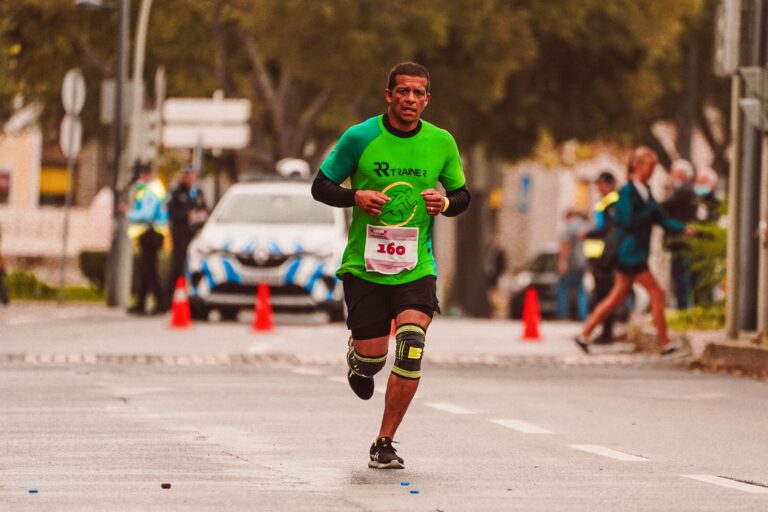
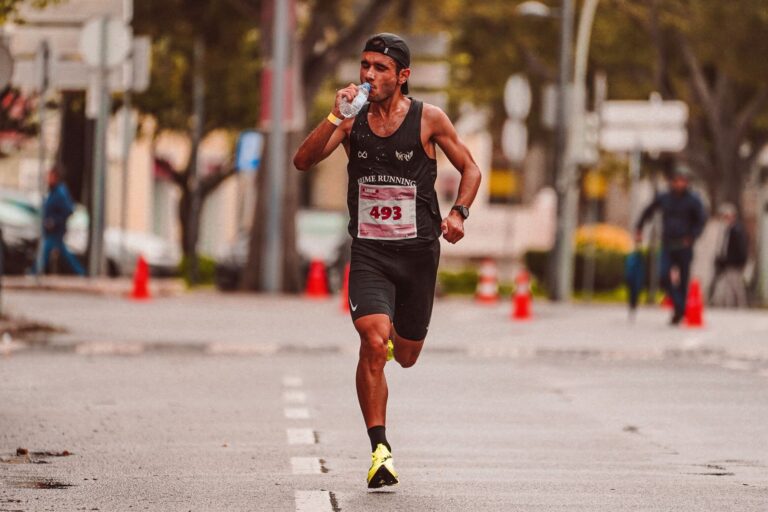
This week, the marathon world is experiencing a rare convergence. The San Francisco Marathon hit a historic milestone with 33,000 runners—the first time the full marathon sold out in recent years—while new research is reshaping how elite athletes approach training, and equipment innovations are trickling down from track records to the marathon pack. These signals point to a pivotal moment in endurance running: a shift from volume-based training to precision-guided methods powered by data and personalization. The story gaining traction now isn’t about one breakthrough, but about multiple forces colliding at the same time, forcing coaches and runners to reconsider what actually works.
The urgency around marathon training is visible in the participation numbers alone. Last weekend, 33,000+ runners lined up for the San Francisco Marathon on July 25-26, a USATF-certified Boston Marathon Qualifier with roughly 1,300 feet of elevation gain. Even that wasn’t enough capacity; the full marathon sold out for the first time in recent years. A 52.4-mile ultra kicked off at 10:15 PM on July 25, with the full marathon starting at dawn on July 26, creating two parallel events that mirror the profession’s fracturing: runners are no longer following a single path through endurance training.
Medical information disclaimer: This article is for general educational purposes only and does not provide medical advice, diagnosis, or treatment. Always consult a physician or other qualified health professional about symptoms, medications, tests, or treatment decisions.
Table of Contents
- What Is the Training Science Actually Saying Right Now?
- How Elite Athletes Are Training Differently in 2026
- Wearables and Biometrics Are Now Changing Real-Time Training Decisions
- What Josh Kerr’s World Record Mile Means for Marathon Equipment
- The Preparation Timeline That Coaches Actually Recommend
- Health Considerations and Real Risks
- The Bigger Picture—Why This Week Matters
What Is the Training Science Actually Saying Right Now?
The conversation driving expert commentary this week centers on polarized training—the 80/20 split of easy and hard efforts—which now shows a documented 30% performance advantage over traditional approaches in some runners. Research published in Scientific Reports found that polarized training delivered 11.3-minute marathon improvements compared to 8.7 minutes with pyramidal or traditional methods. That’s compelling until you read the fine print: only 31.5% of runners respond well to polarized training. Another 31.9% actually perform better on pyramidal training. And 17.9% show no meaningful response to either method.
This divergence explains why the expert community is fractured right now. A coach preaching polarized training can point to the 30% performance advantage. A runner following that advice might be in the non-responder camp and see no progress. The signal this week isn’t that polarized training is wrong or right—it’s that one-size-fits-all training philosophy is dead. Elite programs are moving toward personalized assessment before prescribing a training model, not after. This represents a genuine shift away from the generalized advice that dominated marathon coaching for decades.
How Elite Athletes Are Training Differently in 2026
The second major signal involves elite marathon training itself. In the final four months of preparation, elite athletes are now using fewer total workouts, but a much higher proportion of those sessions are quality-focused, complemented by strategic cross-training. This contradicts the old volume-accumulation model where more miles automatically meant faster times. The change is subtle but profound: quantity is no longer the proxy for quality.
This shift has real implications for mid-pack runners who often interpret elite training by simply doing more. If an elite marathoner is running 90 miles per week in base phase but only 70 miles in the final four months—with a higher intensity proportion—a club runner copying that plan during peak phase while maintaining base-phase volume will likely burn out or get injured. The constraint isn’t mental toughness or motivation; it’s that the body can’t absorb the combined load of high volume plus high intensity simultaneously. Elite programs account for this recovery capacity through technology and daily monitoring that most age-group runners don’t access.
Wearables and Biometrics Are Now Changing Real-Time Training Decisions
What’s enabling this shift toward fewer, higher-quality workouts is real-time biometric monitoring. Heart rate variability (HRV), lactate levels, and gait analysis with dynamic training adjustment are now mainstream in elite marathon preparation. These aren’t theoretical tools anymore—they’re generating day-to-day training adjustments. A runner might wake up with poor HRV and low readiness markers, and the training algorithm adjusts that day’s planned workout from a tempo run to an easy recovery run. The old approach was a static 16-week plan.
The new approach is a plan that adapts to your physiology. Beyond performance metrics, personalized recovery protocols are becoming standard. Cryotherapy, percussive therapy, and neurostimulation are no longer luxury add-ons for elite runners in major cities; they’re integrated into the training process itself. Even more recently, microbiome analysis coupled with tailored supplementation is entering elite practice. A runner might discover that their gut microbiome lacks efficient carbohydrate fermentation, prompting specific prebiotic supplementation weeks before race day. This level of granularity isn’t available to most runners, but it’s trickling down through coaching apps and wearable integrations.
What Josh Kerr’s World Record Mile Means for Marathon Equipment
On July 22, Josh Kerr broke Hicham El Guerrouj’s 27-year-old mile record (3:43.13 from 1999), running 3:42.66 in a Brooks Hyperion 222 custom spike with a hyper-rockered carbon plate tailored to his specific biomechanics. This might seem irrelevant to marathon runners—until you consider that equipment innovation demonstrated on the track propagates into marathon shoes within one to two seasons. The custom spike represents the frontier of footwear personalization: a shoe designed not for a shoe size or a general foot type, but for an individual athlete’s gait. Marathon runners are already seeing the spillover.
Carbon-plated marathon shoes, once exotic, are now the default for competitive runners. The next wave is personalization at the level of rocker curvature and plate stiffness tuned to individual biomechanics. This matters because a poorly matched shoe can cost a marathon runner minutes over 26.2 miles through inefficient energy transfer and accumulated gait breakdown. The gap between a generalized running shoe and a biomechanically optimized one is widening, and that gap is now measurable through gait analysis technology available in specialty running stores.
The Preparation Timeline That Coaches Actually Recommend
Expert guidance this week emphasizes a specific progression. Base building requires a minimum of 14 weeks before a formal marathon training plan begins. For experienced runners already logging 25 to 30 miles per week, a 16-week formal training block follows. That totals approximately five months from the start of base building to race day.
This timeline assumes you’re starting from an adequate aerobic foundation; if you’re returning from injury or a layoff, the timeline extends. The practical trap is that five months sounds like plenty of time, but it compresses quickly once life intervenes—illness, work stress, weather, or minor injuries that sideline you for a week. Many runners add a two-week buffer, making it six months total. If you’re targeting an autumn 2026 marathon (September or October), the base-building phase should start in late April or early May. Starting later than mid-May forces either compression of the base phase or acceptance of inadequate preparation, both of which increase injury risk.
Health Considerations and Real Risks
Marathon training is safe overall, but it isn’t risk-free. Research from June 2026 confirmed that combination strength plus aerobic training yields documented long-term mortality benefits—runners live longer and healthier. However, acute kidney injury, gastrointestinal distress, and upper respiratory tract infections are documented during intense training blocks, particularly in the final four weeks before a race when immune suppression peaks. These aren’t reasons to avoid marathons; they’re reasons to manage training volume and recovery strategically during peak phase.
One specific warning: the convergence of high-intensity training, high volume, and inadequate recovery creates a window where illness becomes likely. Elite programs monitor this through HRV and white blood cell counts, but most age-group runners are flying blind. If you notice persistent fatigue, elevated resting heart rate, or a scratchy throat during your final month of training, it’s a signal to dial back volume even if your plan says to increase it. Completing a marathon when overtrained and immunosuppressed is slower, miserable, and risky.
The Bigger Picture—Why This Week Matters
The San Francisco Marathon’s record turnout isn’t coincidental with the publication of new training research or equipment breakthroughs. Marathon running is becoming simultaneously more specialized (elite athletes using personalized biometric monitoring) and more democratized (33,000 people deciding to run 26.2 miles). These trends create a market force: runners want better results without more suffering, coaches need science-backed tools to deliver differentiation, and equipment manufacturers are racing to embed biometric data into shoes and watches.
What experts are tracking this week is whether the specialization—the wearables, the polarized training assessments, the personalized recovery protocols—will remain a luxury for elite runners or become accessible to the mass market. Brooks’ investment in biomechanically optimized custom spikes suggests the tools are moving down-market. The question isn’t whether precision training works; it’s whether the marathon community as a whole will adopt evidence-based personalization or continue following generalized plans that work for 31.5% of runners and leave the rest wondering why their training isn’t delivering promised results.
- —